


The headache is there before you are fully awake. Temples, sometimes behind the eyes, sometimes running down into the jaw or the ear. You take something, you get on with your day, and by mid morning it has faded. Then it happens again tomorrow.
If that is the pattern, there is a decent chance nothing is wrong with your head. The muscle that closes your jaw runs up the side of your skull, and if you spent the night contracting it, it will be sore in the morning in exactly the places people describe as a headache.
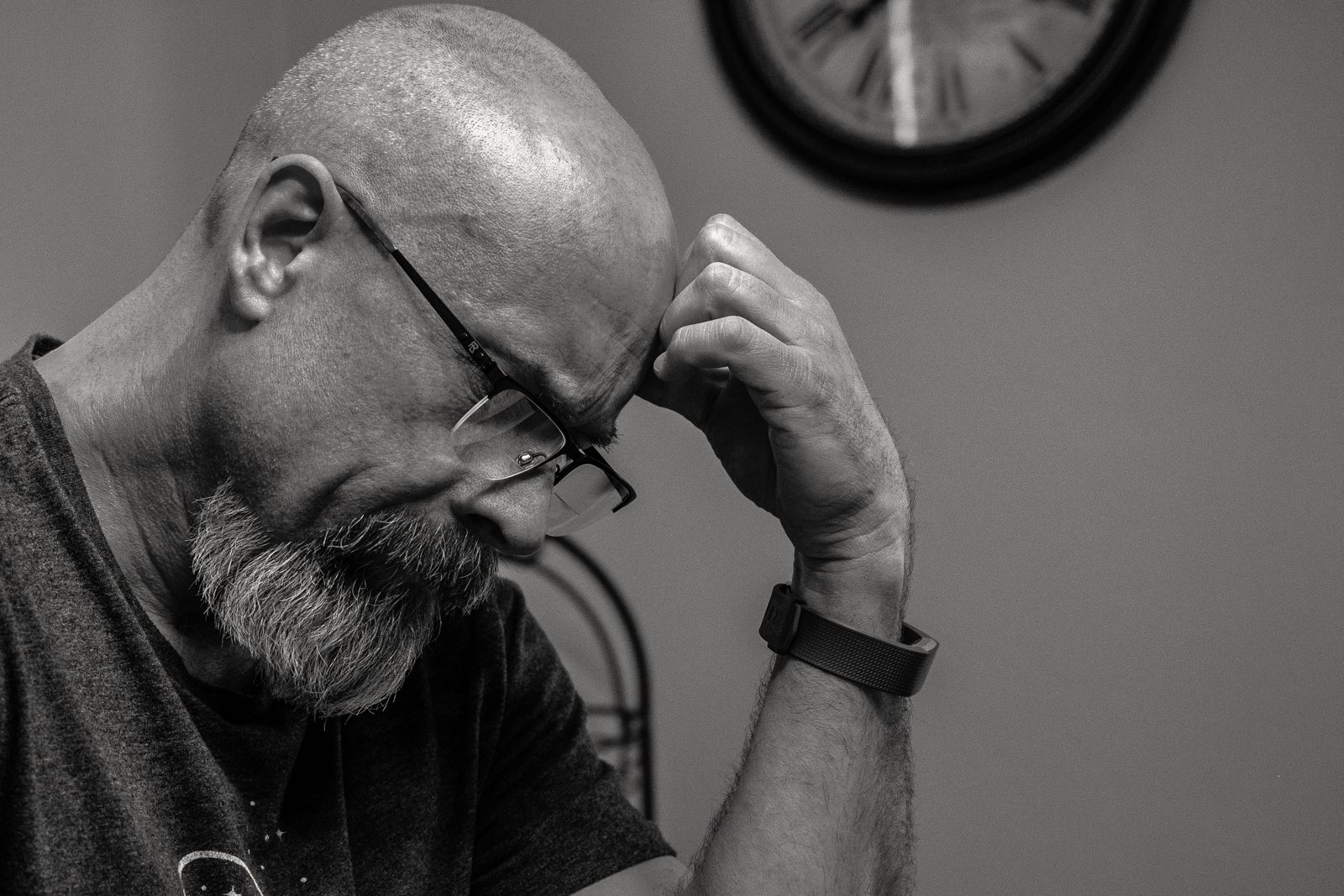
Why a jaw problem shows up as a headache
Put your fingers on your temples and bite down. That fan of muscle you feel tightening is the temporalis, and it is one of the main muscles that closes your jaw. The masseter, along the angle of the jaw, is the other. Both are extremely strong, and both are capable of holding a contraction for hours.
Clenching overnight is essentially an unsupervised isometric workout for those muscles. You would not do wall sits for four hours and be surprised your legs hurt. The reason the connection is missed is that the pain shows up in the temples, so people reasonably file it under headache rather than jaw.
The timing is the giveaway. Tension headaches from stress usually build through the day. Migraines have their own signature. A headache that is at its worst in the first hour after waking and improves as the day goes on is following the pattern of a muscle that was overworked at night and is recovering.
How to tell if clenching is behind yours
The timing test
Track it for a week. If the headache is present on waking more days than not, and reliably better by afternoon, that is the pattern. If it builds through the afternoon and is worst in the evening, look elsewhere.
The mirror test
Look at the edge of your tongue. If it has scalloped indentations along the sides, your tongue has been pressed against your teeth hard enough to take their shape. Then check the inside of your cheeks for a horizontal white ridge running along the biting plane. Both are common signs of sustained clenching pressure.
The tooth test
Look at your front teeth edge on. Are the edges flat, or do they still have the subtle scalloped contour they had as an adult tooth? Flattened, uniformly worn edges on the front teeth in someone in their thirties or forties is wear that did not come from eating. Also look for small notches at the gumline, which come from flexing under load.
The pressure test
Press firmly into the muscle at the angle of your jaw, just in front of the earlobe, and then into your temple. If either is tender in a way that feels like a bruise, those muscles have been working.
None of these is a diagnosis on its own. Together they are a strong signal, and they are all things we look for anyway. Our TMJ treatment page covers what a proper assessment involves, and we go deeper on the nighttime signs in our piece on warning signs you are grinding at night.
Headaches that are always worst first thing?
Get It Looked AtWhat is actually causing the clenching
Stress, but not the way people mean it
Stress is the answer everyone gets, and it is real, but it is incomplete. Daytime stress raises baseline muscle tone, which makes clenching more likely. That is why symptoms flare in bad weeks. It is also why "try to relax" is useless advice at 2am, when you are not conscious and cannot choose to relax anything.
Your airway
This is the cause most people have never heard and the one that changes the most. When the airway narrows during sleep, one of the body's protective responses is to thrust the jaw forward and tense the muscles to reopen it. Clenching, in that situation, is not a bad habit. It is your body keeping you breathing.
That is why treating clenching without asking about breathing can fail. If you also snore, wake unrefreshed after a full night, or wake with a dry mouth, the airway is very much part of the picture. We covered that overlap in why your mouth is dry every morning.
Your bite
If the teeth do not meet evenly, the muscles keep hunting for a comfortable resting position and never quite find one. A high spot on a new filling or crown can start this within days. A long standing bite discrepancy does it more slowly.
Stimulants, alcohol, and some medications
Caffeine late in the day, nicotine, alcohol, and certain antidepressants all increase clenching. Alcohol is the one that surprises people, because it feels relaxing. It fragments the deeper stages of sleep, and clenching tends to increase in the lighter stages.
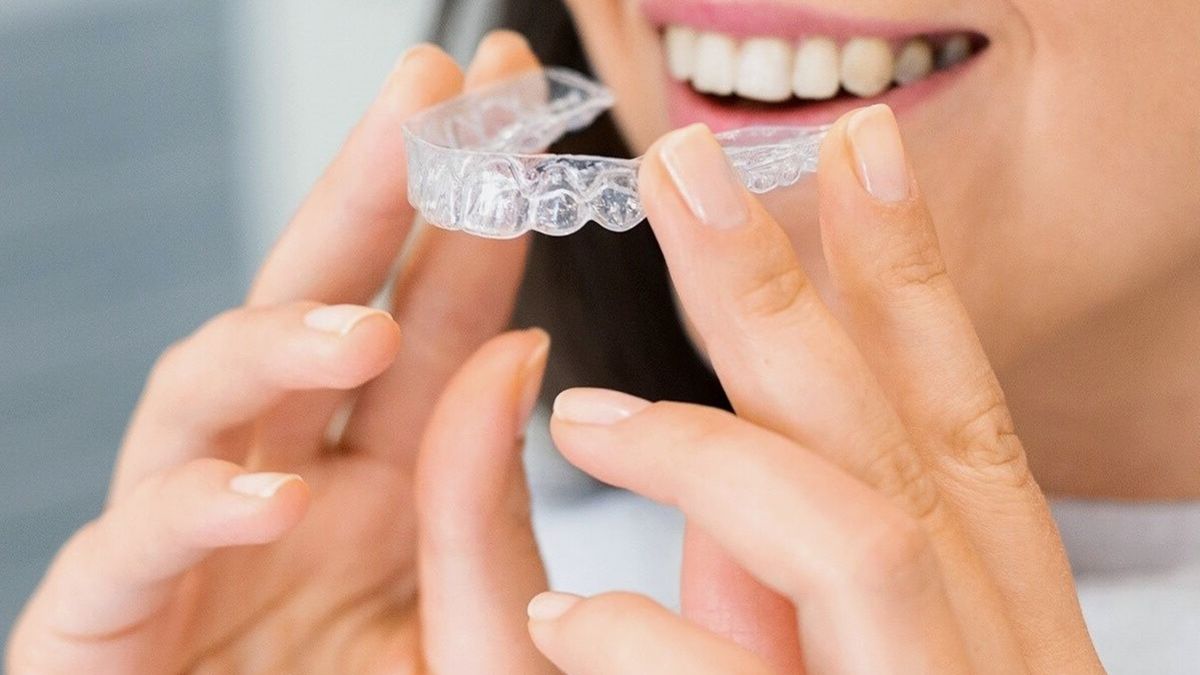
Is your jaw behind those headaches?
Three questions. No email needed.
What helps, and what is a waste of money
Drugstore night guards: mostly a waste
The boil and bite guards sold in pharmacies are soft. A soft guard gives the muscles something satisfying to squeeze, and for a meaningful number of people that increases clenching rather than reducing it. They also wear through quickly and rarely fit well enough to be worn all night. If one is working for you, keep going. If you bought one and nothing improved, that is not a sign nothing works.
A custom night guard: the reliable option
A properly made guard is a hard or dual laminate appliance fitted to your bite. It does not stop you clenching. What it does is redistribute the force and put a replaceable surface between your teeth, so the wear happens to the appliance instead of your enamel. Most people notice the morning headaches ease within a few weeks, because the muscles are no longer bracing against an uneven contact.

It is worth being clear about what you are buying: protection for your teeth and usually meaningful symptom relief, not a cure for the clenching itself.
Treating the airway, if that is the driver
If the clenching is airway related, a guard alone can be the wrong tool, and in some cases the wrong design can make breathing marginally worse. This is the situation where an assessment matters more than a product. Options run from simple nasal measures through to a mandibular advancement appliance, which holds the lower jaw slightly forward to keep the airway open.
Daytime awareness
Your teeth should not touch except when you are chewing or swallowing. Most clenchers rest with them lightly together all day. Breaking the daytime habit reduces the baseline tone those muscles carry into the night, and it costs nothing. Put a note somewhere you look often. Lips together, teeth apart.
Heat before bed
A warm compress on the masseter and temporalis for ten minutes before sleep helps muscles that are already sore start the night less contracted. Small effect, no downside.
When it is not your jaw
Be honest about the pattern. Get medical advice rather than dental advice if the headache wakes you from sleep, if it is sudden and severe, if it comes with visual changes, nausea, numbness, or weakness, if it is always on the same side and worsening, or if it started after a head injury. Morning headaches are also a known feature of untreated sleep apnea and of high blood pressure, and neither is something a night guard addresses.
If the pattern does fit clenching, the assessment is straightforward. We look at the joints, the muscles, how your teeth meet, and the specific wear on the enamel, and you get a clear answer about what is driving it. New to us? Our new patient information covers what the first visit looks like.
Common questions
Can teeth grinding cause headaches?
Yes. The temporalis muscle that closes your jaw runs across your temple, so sustained overnight clenching leaves it sore in the exact area people describe as a headache. The distinguishing feature is timing: these headaches are worst on waking and improve through the day.
How do I know if I clench my teeth at night?
Common signs are morning jaw or temple soreness, scalloped indentations along the edges of your tongue, a white ridge on the inside of your cheeks, flattened front tooth edges, and notches at the gumline. A dentist can confirm it from the specific wear pattern on your enamel.
Are drugstore night guards any good?

They are soft, which gives the jaw muscles something to squeeze and can increase clenching for some people. They also wear through fast and often fit poorly. A custom hard guard redistributes the force properly and is far more likely to reduce morning symptoms.
Will a night guard stop me grinding?
No. It protects your teeth by putting a replaceable surface between them and spreading the load more evenly. Many people find their morning headaches improve considerably, but the clenching itself continues unless the underlying cause, often stress or a narrowed airway, is addressed.
Could my morning headaches be sleep apnea instead?
They could, and the two often occur together, because a narrowing airway can trigger clenching as a protective response. If you snore, wake unrefreshed, or wake with a dry mouth alongside the headaches, that combination is worth investigating properly rather than treating with a guard alone.
Morning headaches usually have a mechanical cause.
We can check your jaw joints, your bite, and the wear on your teeth, and tell you whether clenching is what you are actually dealing with.
Custom night guards made and fitted in house.
Want answers like this at the top of your search results?
Add Love To Smile as a Preferred Source on GoogleRequest an appointment
We would love to hear from you. Send us a message and our team will reach out to get you scheduled.