
What TMJ Disorder Is and Why It Causes So Many Symptoms
TMJ stands for the temporomandibular joint, the small hinge on each side of your head that connects your lower jaw to your skull and lets you chew, talk, and yawn. When that joint and the muscles around it are strained, inflamed, or out of balance, the result is a condition dentists call TMD, or temporomandibular disorder. Because the same muscles and nerves run up into your temples, ears, and neck, the symptoms often show up far from the jaw itself.
That is why TMJ trouble can be so confusing. Many of our Overland Park patients arrive frustrated after months of morning headaches, unexplained ear pressure, or a sore jaw that they never connected to their bite. Common signs include jaw pain or tightness, clicking or popping when you open and close, difficulty opening wide, tension headaches, facial soreness, and worn or sensitive teeth from grinding. Stress, a misaligned bite, and nighttime clenching are frequent culprits, and often several of these overlap at once.
How We Treat TMJ at Love To Smile Dentistry
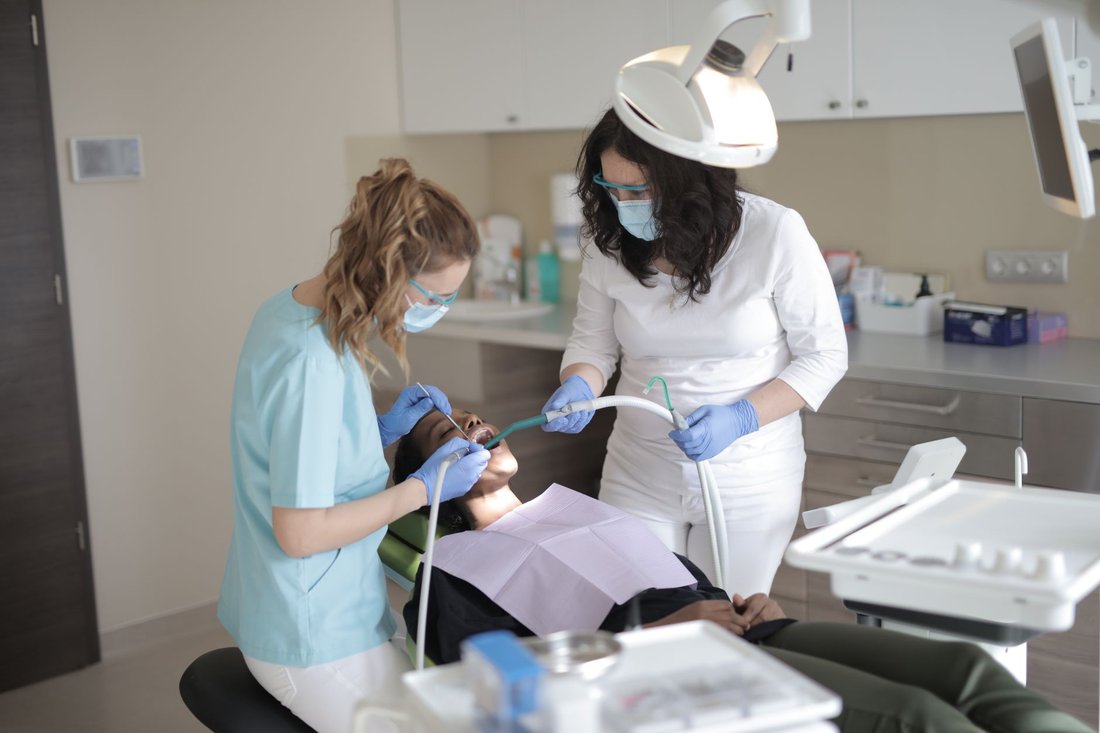
We believe in starting with the most conservative, least invasive care that solves the problem, not in jumping straight to anything permanent. Your visit begins with a careful evaluation of your jaw joints, your bite, your muscle tenderness, and the wear patterns on your teeth. That real look at how your mouth actually functions is what lets us find the source of your discomfort instead of just chasing symptoms.
For most patients, a custom-fitted night guard is the cornerstone of relief. Unlike the bulky one-size versions from a drugstore, ours is made to your exact bite so it comfortably cushions your teeth, relaxes your jaw muscles, and stops the clenching that drives so much of the pain. Depending on what we find, we may also recommend bite adjustments, targeted jaw and relaxation exercises, guidance on stress and daytime clenching habits, and simple at-home steps like warm compresses and softer foods during flare-ups. When a worn or uneven bite is part of the problem, restorative options can help bring everything back into balance. Throughout, we explain what we see and why, so you always understand your plan.
Waking up tired or sore in the jaw?
Talk to Our TeamWho TMJ Treatment Helps and What to Expect
TMJ care is a good fit for anyone whose jaw pain, clenching, grinding, or frequent headaches are getting in the way of sleeping, eating, or simply feeling comfortable through the day. It is especially common in busy adults under stress, people who notice they clench during the workday, and anyone waking up with a tight or tired jaw. If you have already cracked a tooth or worn your enamel down from grinding, addressing the underlying TMJ issue also protects the dental work you have invested in.
What you can expect from us is a calm, unhurried experience. Many people feel meaningful improvement once they begin wearing a properly fitted night guard and follow the simple habit changes we suggest, though every case is different and results depend on the individual. We will never pressure you or oversell. We start conservative, track how you respond, and adjust from there. Our goal is honest, comfortable relief, and we are careful never to promise a guaranteed outcome that no ethical dentist could make.
Why Overland Park Families Choose Us for TMJ Care
Love To Smile Dentistry is a family, cosmetic, and implant practice, which means we see how your jaw health connects to your whole smile and your long-term comfort. Dr. Pedersen holds the MAGD credential earned through years of continued education and rigorous testing, a level of training that gives our team a deep understanding of bite mechanics and the many ways TMJ shows up. You get thorough, attentive care from people who genuinely want to get to the root of your pain.
We are located at 10925 Antioch Road in Overland Park, KS, and we also serve patients from our second office at 215 N Main Street in Peculiar, MO. Booking is easy online through our Modento scheduler or by giving us a call, and your first consultation is completely free. If jaw pain, headaches, or nighttime grinding have been wearing you down, reach out and let us take a look. Finding out what is really going on is the first step toward waking up without that ache.
Cannot tolerate your CPAP?
Ask About AlternativesCommon questions about TMJ Treatment
How do I know if my headaches are caused by TMJ?
TMJ-related headaches often feel like tension or pressure around your temples and are worse in the morning or after a stressful day of clenching. They frequently come alongside jaw soreness, a tired jaw when you wake up, or clicking when you open and close. The only way to know for sure is an evaluation of your jaw joints and bite, which we offer as a free consultation at our Overland Park office.
Will a night guard really help with my jaw pain and clenching?
For most patients, yes. A custom night guard cushions your teeth and relaxes the jaw muscles so you stop grinding and clenching while you sleep, which is what drives much of the pain and tooth wear. Because ours is fitted precisely to your bite, it is far more comfortable and effective than a generic drugstore version. We will confirm whether a night guard is the right first step after examining your bite.
Do you offer conservative treatment before anything permanent?
Absolutely. We always begin with the least invasive care that can solve the problem, such as a custom night guard, bite adjustments, jaw exercises, and simple habit and stress changes. We only consider more involved options if conservative treatment does not bring the relief you need, and we walk you through every choice so nothing happens without your understanding and agreement.
How much does TMJ treatment cost and is the consultation free?
Your initial consultation at Love To Smile Dentistry is always free, so you can find out what is causing your symptoms at no cost. The price of treatment itself depends on your specific needs and what your plan involves, and many dental insurance plans help cover TMJ-related care. We will go over your options and any costs clearly and up front before you commit to anything.
Sleep and jaw problems are treatable.
From custom night guards to CPAP alternatives, there are options that are easier to live with. Come in and we will talk through what fits your situation.
Custom appliances made and fitted in house.
Want answers like this at the top of your search results?
Add Love To Smile as a Preferred Source on Google