


If you wake up with unexplained headaches, jaw pain, or notice your partner complaining about strange sounds during the night, you might be one of millions unknowingly grinding away your dental health. Understanding the warning signs can help you catch this problem early and protect your smile from permanent damage.

Understanding Bruxism: More Than Just a Bad Habit
Bruxism isn’t simply a nervous habit or occasional teeth clenching. It’s a legitimate medical condition involving involuntary grinding, clenching, or gnashing of teeth, typically occurring during sleep. The American Dental Association recognizes two main types: sleep bruxism (happening during sleep) and awake bruxism (occurring while conscious).
Sleep bruxism affects people of all ages but tends to be more common in children and young adults. What makes it particularly concerning is that the forces generated during nighttime grinding can be up to six times stronger than normal chewing pressure. This excessive force puts tremendous strain on your teeth, jaw joints, and surrounding muscles.
6 Key Warning Signs You’re Grinding Your Teeth at Night
1. Persistent Morning Headaches and Facial Pain
One of the most common indicators of nighttime teeth grinding is waking up with dull headaches, particularly around your temples. This pain occurs because the muscles in your jaw, neck, and face work overtime during grinding episodes. The tension radiates upward, creating headaches that can persist throughout the morning or even all day.
You might also notice soreness in your cheeks, jaw muscles, or even your ears. This facial pain often feels different from typical muscle soreness and may be accompanied by a feeling of tightness or fatigue in your jaw area.
2. Jaw Pain, Stiffness, or Limited Mobility
Your temporomandibular joint (TMJ) bears the brunt of grinding forces. If you experience difficulty opening your mouth fully, clicking or popping sounds when you chew, or general jaw stiffness upon waking, these could be signs of bruxism-related TMJ dysfunction.
Waking up tired or sore in the jaw?
Talk to Our Team
Some people describe feeling like their jaw is “locked” or needs to be “worked loose” each morning. This stiffness typically improves as the day progresses, but it shouldn’t be ignored as a normal part of waking up.
3. Unusual Tooth Sensitivity or Pain
Grinding wears down your tooth enamel, the protective outer layer of your teeth. As this enamel thins, you may notice increased sensitivity to hot, cold, or sweet foods and beverages. This sensitivity often appears gradually and may affect multiple teeth rather than just one problematic tooth.
You might also experience unexplained tooth pain that doesn’t seem connected to decay or injury. This pain can range from mild discomfort to sharp, shooting sensations.
4. Visible Tooth Damage and Wear Patterns
Regular dental checkups often reveal the first visible signs of bruxism. Your dentist may notice unusual wear patterns on your teeth, particularly flattened chewing surfaces on your back teeth (molars). Front teeth might show chipping, cracking, or become noticeably shorter over time.
Advanced cases may reveal exposed dentin (the layer beneath enamel), giving teeth a yellowish appearance. Some people also develop small fractures or chips along the edges of their teeth.
5. Disrupted Sleep Patterns and Partner Complaints
While you may not hear yourself grinding, your sleeping partner likely will. The sound of teeth grinding can be quite loud and disruptive, often described as similar to fingernails on a chalkboard. If your partner mentions hearing grinding, clicking, or gnashing sounds during the night, take this seriously.
You might also notice that you’re not sleeping as restfully as usual. Bruxism can cause frequent micro-awakenings that prevent you from reaching deep, restorative sleep phases, leaving you feeling tired despite spending adequate time in bed.
6. Ear-Related Symptoms
The proximity of your jaw joint to your ear means that bruxism can create ear-related symptoms. You might experience earaches without any signs of infection, a feeling of fullness in your ears, or even ringing (tinnitus). These symptoms occur because the inflamed jaw muscles and joints can affect nearby structures.
Cannot tolerate your CPAP?
Ask About AlternativesSome people also report feeling like their ears are “clogged” or experiencing changes in hearing sensitivity, particularly in the morning hours.
Is your jaw behind those headaches?
Three questions. No email needed.

What Causes Nighttime Teeth Grinding?
Stress and Anxiety
The most significant contributing factor to bruxism is psychological stress. Work pressures, family concerns, financial worries, or major life changes can manifest as nighttime teeth grinding. The Mayo Clinic identifies stress management as a crucial component of bruxism treatment.
Sleep Disorders
Conditions like sleep apnea, snoring, or other breathing-related sleep disorders often coincide with bruxism. The relationship between these conditions is complex, with each potentially exacerbating the other. People with sleep apnea may grind their teeth as part of their body’s response to breathing disruptions.
Lifestyle Factors
Certain substances and habits can increase bruxism risk. Caffeine consumption, especially later in the day, alcohol use, smoking, and recreational drug use have all been linked to increased grinding activity. These substances can affect sleep quality and muscle control.
Medications and Medical Conditions
Some antidepressants, particularly SSRIs, may increase bruxism risk as a side effect. Additionally, conditions like Parkinson’s disease, dementia, epilepsy, and ADHD have higher associations with teeth grinding.
The Long-term Consequences of Untreated Bruxism
Ignoring the signs of teeth grinding can lead to serious dental and health complications. Over time, the constant pressure and friction can cause:
- Severe tooth damage: Including fractures, chips, and complete tooth loss
- Gum recession: Exposing tooth roots and increasing sensitivity
- TMJ disorders: Leading to chronic jaw pain and dysfunction
- Chronic headaches: That may require ongoing medical management
- Changes in facial structure: From muscle hypertrophy and joint damage

The financial impact can be substantial too. Advanced dental restoration work, including crowns, bridges, or even dental implants, may become necessary if grinding continues unchecked.
Treatment Options: From Night Guards to Stress Management
Custom Night Guards: The Gold Standard
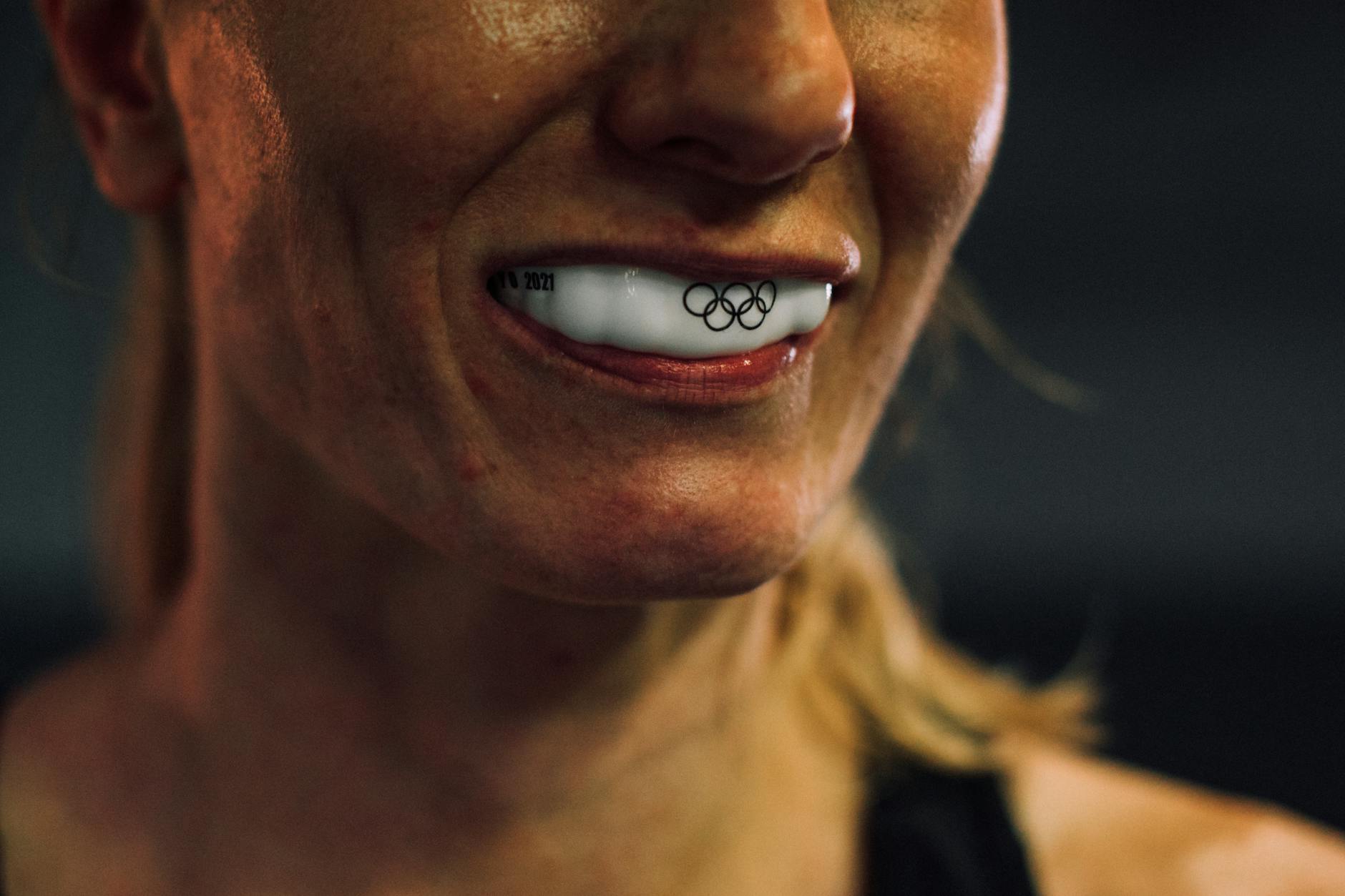
The most common and effective treatment for nighttime bruxism is a custom-fitted night guard. Unlike over-the-counter options, professionally made guards are designed specifically for your mouth, providing optimal protection and comfort. These devices create a barrier between your upper and lower teeth, absorbing and distributing grinding forces.
Waking up tired or sore in the jaw?
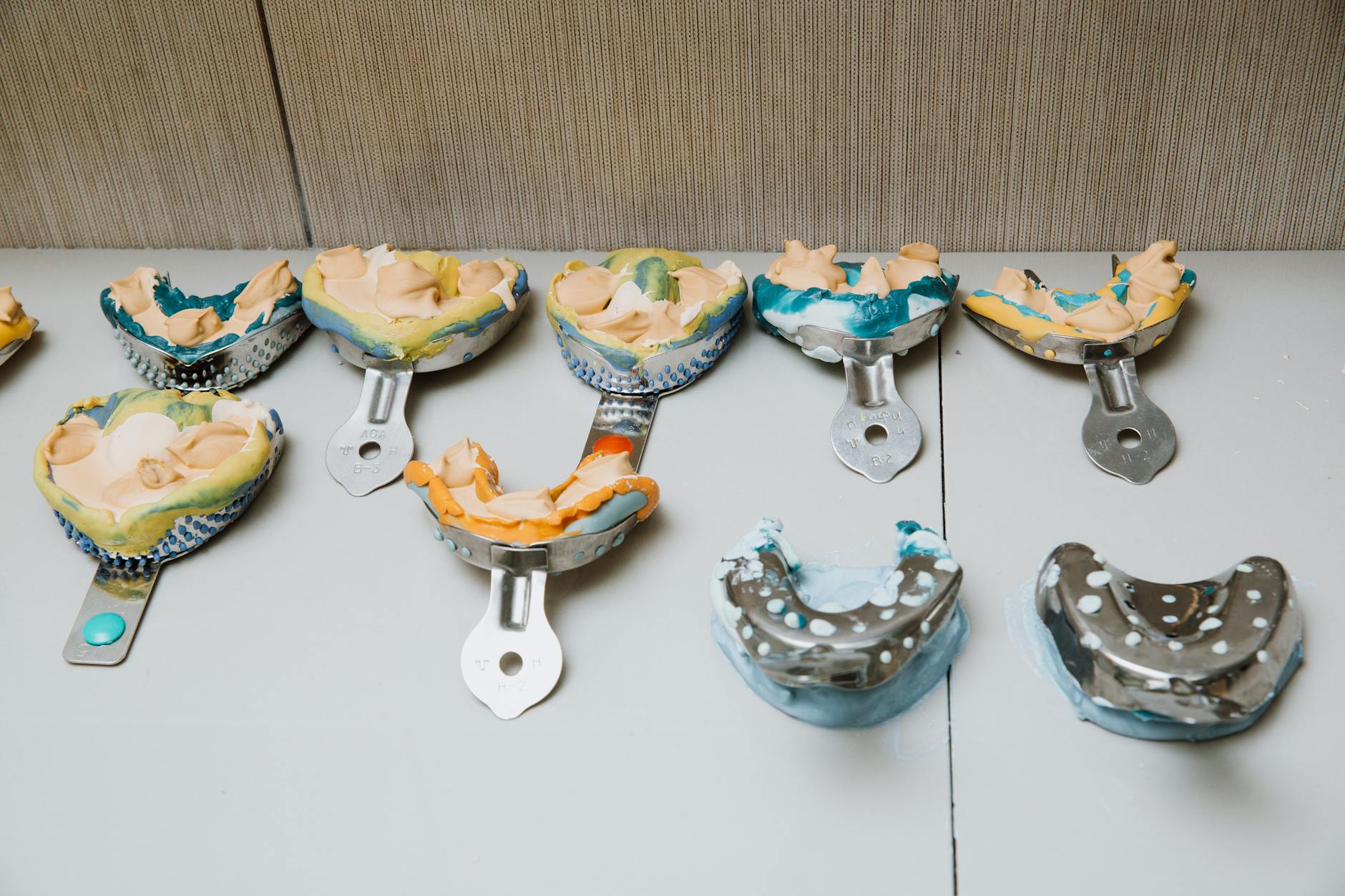
Talk to Our TeamAsk About Night Guards →Dr. Esther Pedersen at Love to Smile specializes in creating custom night guards tailored to each patient’s specific needs. The process involves taking precise impressions of your teeth to ensure a perfect fit that won’t interfere with sleep or cause jaw discomfort.
Addressing Underlying Causes
Effective bruxism treatment often requires a multi-faceted approach. This might include:
- Stress management techniques: Meditation, yoga, counseling, or relaxation exercises
- Sleep hygiene improvements: Establishing consistent sleep schedules and creating optimal sleep environments
- Lifestyle modifications: Reducing caffeine and alcohol consumption, especially in the evening
- Treatment of sleep disorders: Addressing conditions like sleep apnea that may contribute to grinding
Dental Restoration When Needed
For patients who have already experienced significant tooth damage, restorative treatments may be necessary. These can include dental crowns to rebuild worn teeth, bonding to repair chips and cracks, or other procedures to restore both function and aesthetics.

Why Professional Diagnosis Matters
Many people attempt to self-diagnose bruxism or purchase over-the-counter mouth guards without professional guidance. However, proper diagnosis requires a comprehensive dental examination that can identify the specific type and severity of grinding, assess any existing damage, and rule out other conditions with similar symptoms.
During your evaluation, your dentist will examine your teeth for wear patterns, check your jaw joints for signs of dysfunction, and may ask about your sleep patterns, stress levels, and overall health. This thorough assessment ensures that your treatment plan addresses all contributing factors.
Prevention Strategies for Long-term Success
While you can’t always prevent bruxism entirely, several strategies can help reduce its frequency and intensity:
Sleep and jaw problems are treatable.
From custom night guards to CPAP alternatives, there are options that are easier to live with. Come in and we will talk through what fits your situation.
Custom appliances made and fitted in house.
Want answers like this at the top of your search results?
Add Love To Smile as a Preferred Source on GoogleRequest an appointment
We would love to hear from you. Send us a message and our team will reach out to get you scheduled.