


You have been drinking cold water your whole life. Then one week it makes you wince, and now you are drinking it carefully, on one side, like the tooth might do it again. It probably will.
Sensitivity that has always been there is one thing. Sensitivity that appeared is different, because something changed to cause it. This is a guide to working out what changed, and which version of this needs an appointment rather than a different toothpaste.

What sensitivity actually is
Under your enamel is dentin, and dentin is not solid. It is threaded with thousands of microscopic tubules running from the outer surface inward toward the nerve. Each one holds fluid.
When something cold hits exposed dentin, that fluid moves, and the movement triggers the nerve. That is the whole mechanism. It is why the pain is instant and sharp rather than a dull ache, and why it stops almost as soon as the cold is gone.
So sensitivity means dentin is exposed somewhere it was not before. The question is why.
The common causes, most likely first
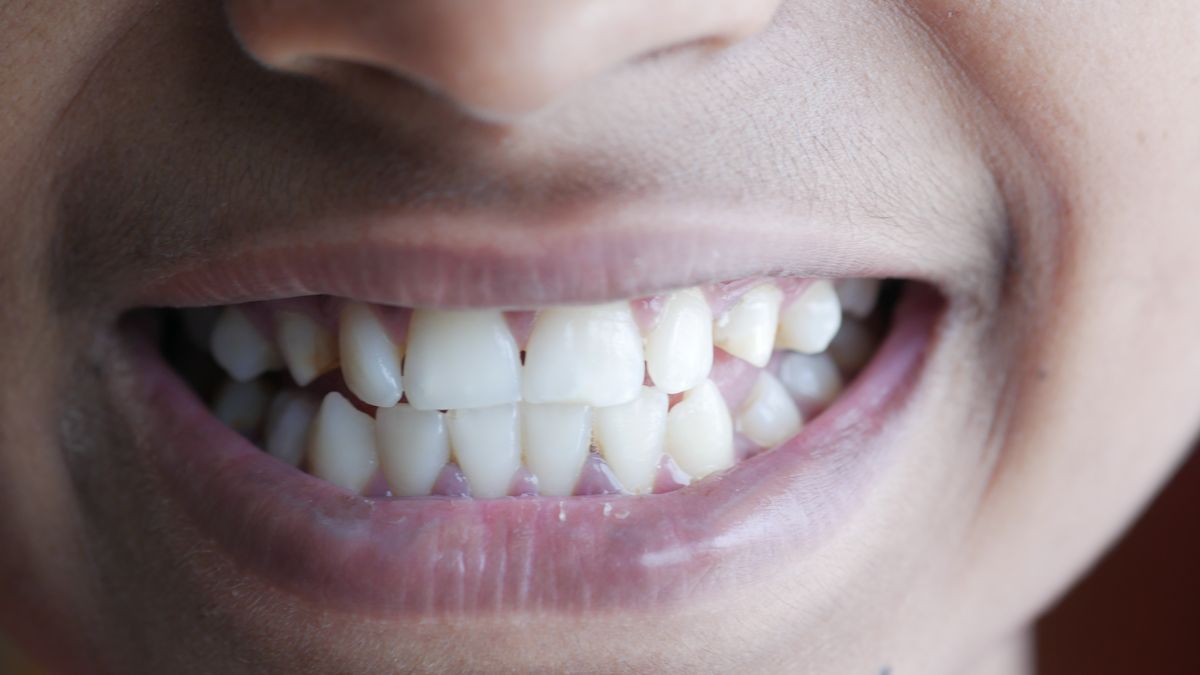
Your gums have receded
Enamel covers the crown of a tooth, but it does not extend below the gumline. Root surface is covered by a much thinner layer, and once gums recede past the neck of the tooth, dentin is directly exposed to everything you drink.
Recession creeps rather than jumps, so people usually cannot name a start date. Look at your front teeth in a mirror and compare the length of one to its neighbors. If one looks noticeably longer, you have found it.
You are brushing too hard
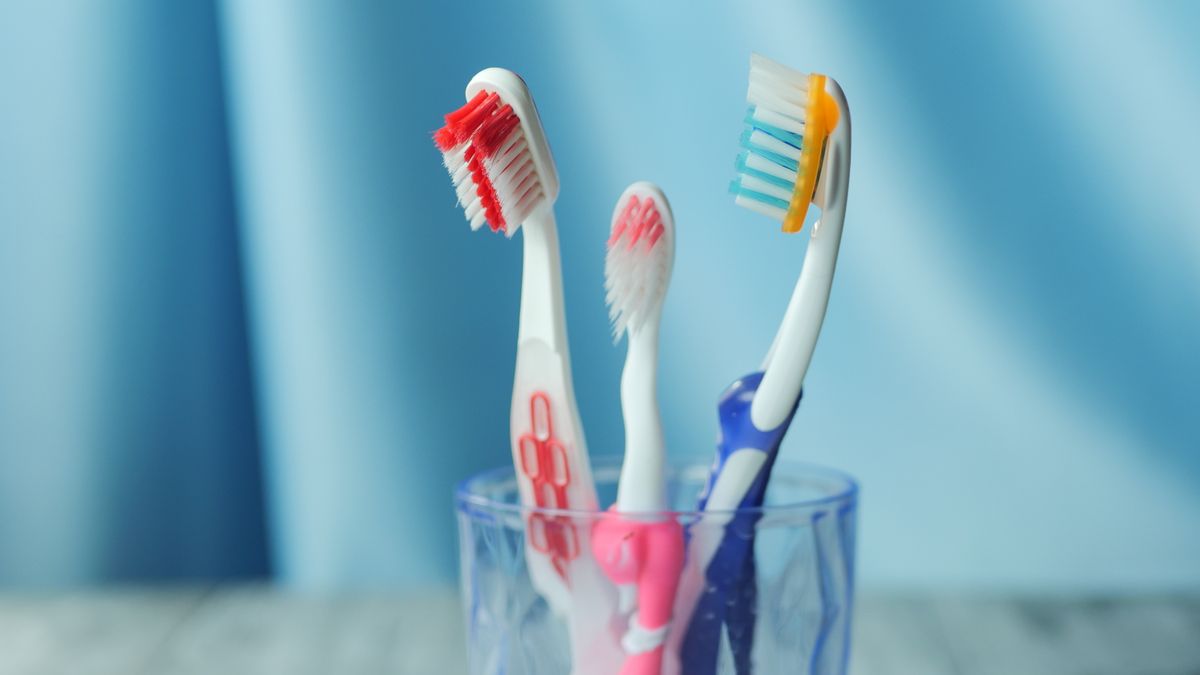
This is the most common self inflicted cause and the easiest to fix. Hard bristles and heavy pressure wear notches into the tooth right at the gumline and push the gum tissue back at the same time. If your toothbrush bristles splay outward within a month, you are pressing far too hard.
Switch to a soft brush and hold it like a pen rather than a fist. An electric brush with a pressure sensor removes the guesswork entirely.
Acid erosion
Enamel dissolves below a certain pH. Sparkling water, citrus, wine, sports drinks, kombucha and vinegar based dressings all sit under that threshold. It is not the quantity that matters most, it is the frequency. Sipping a fizzy drink over two hours is far more damaging than drinking it in five minutes, because the mouth never gets back to neutral.
Acid reflux does the same thing from the inside and often shows up first as erosion on the inner surfaces of the upper back teeth. If your sensitivity came with heartburn, mention both.
Clenching and grinding
Overnight clenching flexes teeth under sustained load, which chips away enamel at the gumline and wears through the biting surfaces. Sensitivity that is worse in the morning and eases through the day fits this pattern well. We covered the wider symptom set in waking up with a headache and what your jaw has to do with it.
You just had dental work

Sensitivity after a filling, a crown, or a cleaning is normal and usually settles within a couple of weeks. Deep fillings sit close to the nerve and it takes time to calm down. What is not normal is sensitivity that is getting worse after two weeks, or pain when you bite down on that specific tooth, which can mean the filling is fractionally high. That is a five minute adjustment, so call rather than tolerate it.
Whitening
Peroxide temporarily opens the dentin tubules, and sensitivity during and shortly after whitening is expected. It resolves. If it does not, or it is severe, the concentration or the schedule needs changing rather than abandoning.
Sensitivity that showed up out of nowhere?
Have It Looked AtHow well is your daily routine actually protecting you?
Three questions. No email needed.
The part that matters: when it is a dying nerve
Everything above is sensitivity. This is different, and telling them apart is the most useful thing on this page.
Ordinary sensitivity is sharp, immediate, and gone within a second or two of removing the cold. It is often spread across several teeth or a whole area.
A nerve in trouble behaves differently. The pain lingers. You drink something cold, and thirty seconds later it is still aching. It is usually one tooth rather than a region, and you can point to it. It may wake you at night, or throb, or hurt on heat as well as cold.
Lingering pain on cold, in a single tooth, means the pulp is inflamed rather than merely exposed. Once inflammation reaches a certain point it does not reverse, and the treatment is a root canal rather than a desensitizing paste. Catching it early matters, because the alternative is waiting until it abscesses.
The cruel part is what happens next. If you ignore it long enough, it stops hurting. That is not recovery. We wrote about that specifically in what it means when a tooth stops hurting on its own.
What actually helps
Use a desensitizing toothpaste properly
Potassium nitrate calms the nerve response; stannous fluoride plugs the tubules. Both work, but not the way most people use them. Rinsing straight after brushing washes off the active ingredient before it does anything.
Brush, spit, and do not rinse. Better still, rub a small amount directly onto the sensitive area with a fingertip before bed and leave it. Give it two weeks before judging.
Stop rinsing with water after brushing generally
This applies to any fluoride toothpaste. Spit, do not rinse. It is free and it is one of the highest value habit changes in dentistry.
Change how you drink acidic things
Use a straw, drink them in one sitting rather than sipping, and follow with plain water. Do not brush for half an hour after anything acidic, because enamel is temporarily softened and brushing immediately scrubs it away.
Get a night guard if you clench
If clenching is driving the wear, protecting the teeth stops the exposure getting worse. Desensitizing paste on a tooth you are grinding down every night is bailing without patching the hole.
In office treatments
Fluoride varnish, bonding over exposed root notches, and sealing agents all work well, and for severe recession a gum graft covers the exposed root properly. These are quick and they treat the cause rather than masking the symptom.
When to stop waiting
Book an appointment if the pain lingers more than a few seconds after the cold is gone, if it is one specific tooth you can point to, if it wakes you at night, if heat hurts as well as cold, if biting down hurts, or if there is any swelling in the gum or face. Facial swelling is urgent, not a wait and see.
If it is mild, spread over several teeth, and brief, start with a soft brush, a desensitizing paste used without rinsing, and a look at what you are drinking. Give it a few weeks. If nothing improves, get it examined rather than escalating the toothpaste.
Common questions
Why did my teeth suddenly become sensitive to cold?
Sudden sensitivity means dentin has become exposed somewhere it was not before. The usual causes are gum recession, brushing too hard, acid erosion from drinks or reflux, clenching that wears enamel at the gumline, or recent dental work. Sensitivity that appears without an obvious cause is worth having examined.
How do I know if it is sensitivity or a cavity needing a root canal?
Ordinary sensitivity is sharp and disappears within a second or two of removing the cold, often across several teeth. A nerve in trouble produces pain that lingers for thirty seconds or more, usually in one identifiable tooth, and may throb, wake you at night, or hurt on heat as well as cold.
Does sensitive toothpaste actually work?
Yes, but most people undermine it by rinsing with water straight after brushing, which washes the active ingredient away. Brush, spit and do not rinse, or rub a little directly onto the sensitive spot before bed. Allow two weeks before deciding whether it is helping.
Can sensitive teeth heal on their own?
Mild sensitivity from a temporary cause such as recent whitening or a new filling usually settles by itself. Sensitivity from gum recession or enamel wear does not reverse, because that tissue does not grow back, though it can be managed well and the underlying cause can be stopped from progressing.
Is sensitivity after a filling normal?
Some sensitivity for a week or two is normal, especially with a deep filling near the nerve. It should be improving, not worsening. Pain specifically when biting down often means the filling is a fraction too high, which is a quick adjustment, so call rather than waiting it out.
Sudden sensitivity is information.
Most of it is straightforward to treat once we know the cause. Come in and we will find out which kind you have before it turns into something bigger.
Love To Smile, Complete Family and Implant Dentistry.
Want answers like this at the top of your search results?
Add Love To Smile as a Preferred Source on GoogleRequest an appointment
We would love to hear from you. Send us a message and our team will reach out to get you scheduled.