

For a few days it was bad. Throbbing, kept you up, could not chew on that side. You took ibuprofen and thought about calling. Then it eased, and then it stopped, and now it has been two weeks and the tooth feels fine.
The natural conclusion is that whatever it was, it fixed itself. Occasionally that is true. More often, with severe pain that stops abruptly, something else happened, and it is worth understanding what.
What was causing the pain
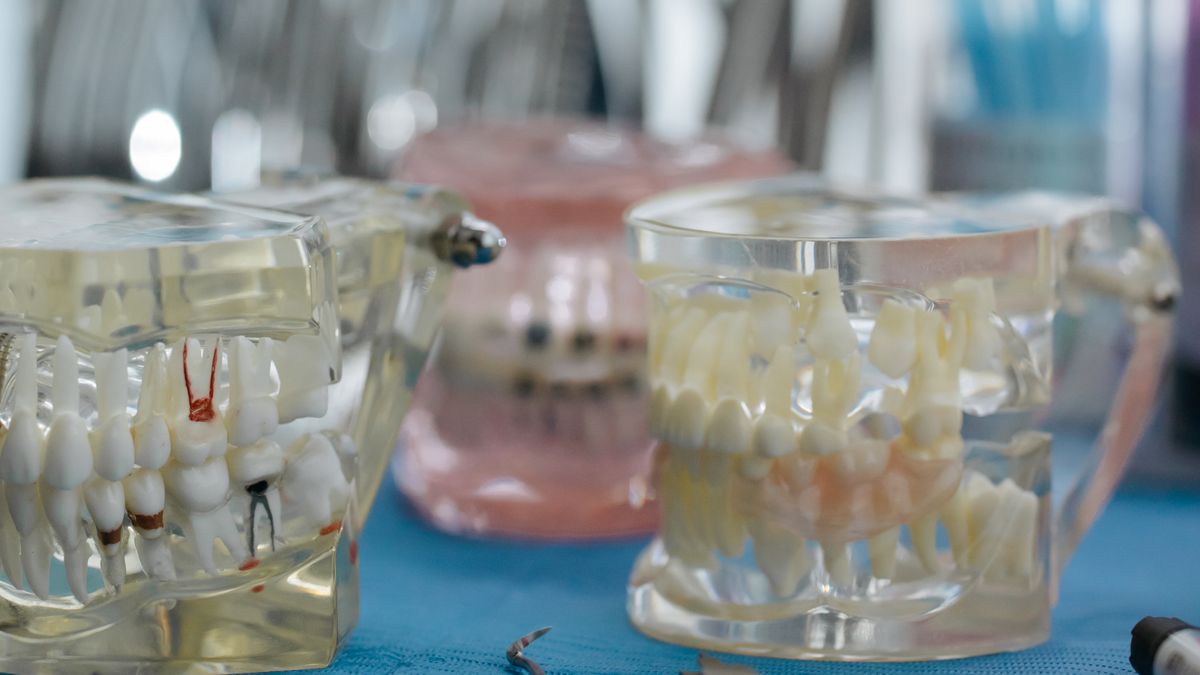
Inside every tooth is the pulp, a chamber holding the nerve and blood supply. When decay or a crack lets bacteria reach it, the pulp becomes inflamed. Because it is enclosed in rigid dentin on all sides, it cannot swell outward. The pressure has nowhere to go, and it presses directly on the nerve.
That is why toothache from an inflamed pulp is so distinctly awful. It is pressure inside a sealed container.
Why it stops
The pressure keeps building until it compresses the blood vessels entering through the narrow opening at the root tip. Once blood supply is cut off, the tissue inside dies.
Dead nerves do not transmit pain. The tooth goes quiet, and the relief is genuine and complete. But nothing was cured. The infection is still there, and now it is inside a chamber with no blood supply, which means no immune access and no antibiotic delivery. The inside of that tooth has effectively become a sealed reservoir of bacteria.
That is the situation people describe as the toothache that went away.

What happens next, and on what timeline
Bacteria multiply in the dead pulp and work their way down the root canal toward the tip. Eventually they exit through the opening at the end of the root into the bone.
The bone around the root tip has an excellent nerve supply, so when infection reaches it, pain returns. This second round tends to be different from the first: less about temperature, much more about pressure. The tooth feels raised, biting on it is exquisitely sore, and it may become tender to touch.
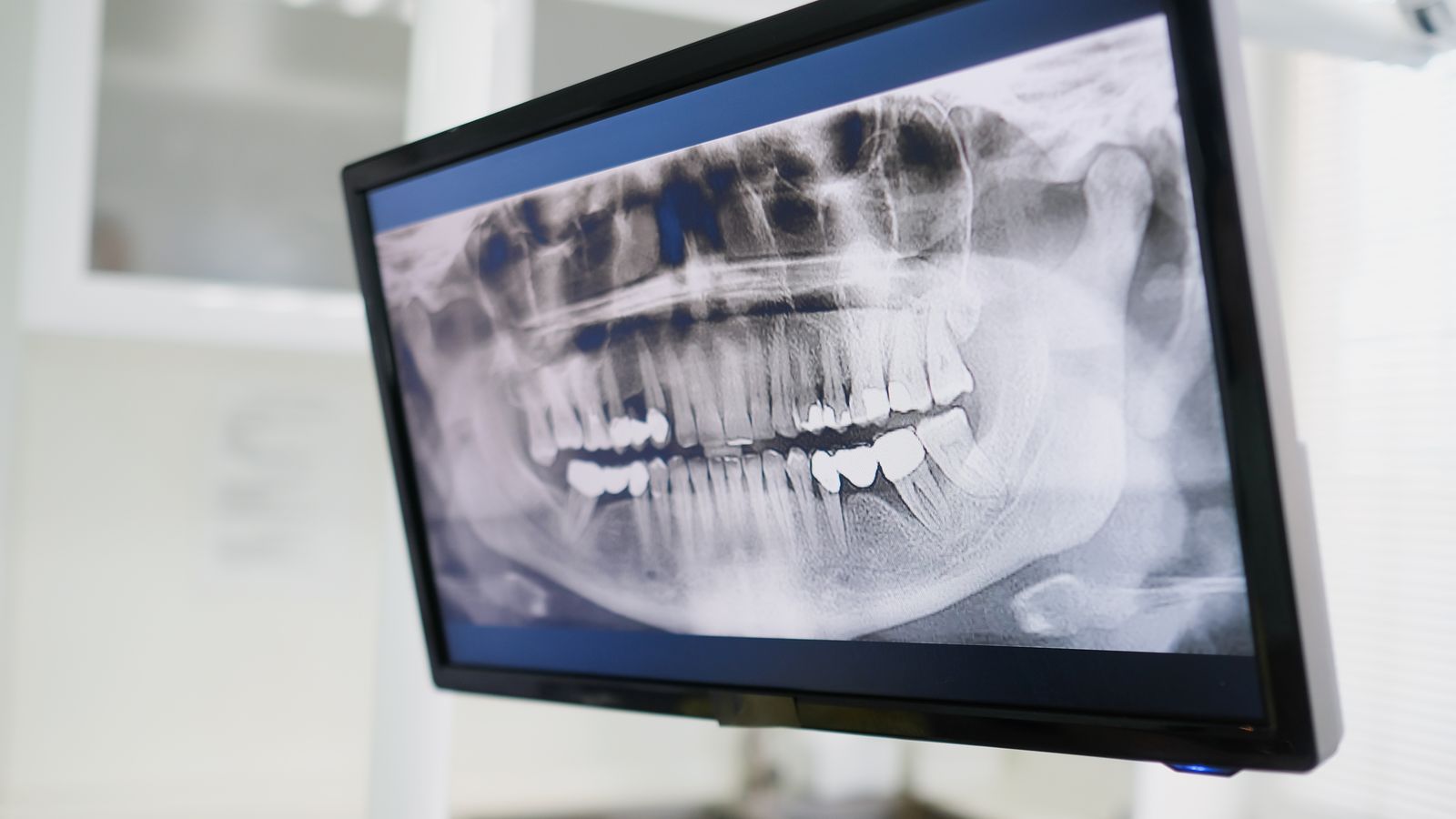
The gap between the pain stopping and the pain returning varies enormously. Weeks for some people, years for others. During that quiet stretch, the infection is usually forming an abscess at the root tip and slowly dissolving the surrounding bone. It shows up as a dark circle on an x ray, and it is often found by accident at a checkup years later in someone who says they had a bad toothache once.
Pain that disappeared and you never got it checked?
Book an ExamThe other reasons pain stops
To be fair, a tooth going quiet is not always bad, and the distinction matters.
Reversible inflammation settling. If the pain was mild, brief, only on cold, and never lingered, the pulp may genuinely have calmed down. This is common after a new deep filling and it is a real recovery. The distinguishing feature is that the pain was never severe and never spontaneous.
An abscess that drained. If you noticed a pimple like bump on the gum, or a sudden foul taste followed by immediate relief, the pressure released itself through a channel to the surface. That is a drainage point, and it can keep draining for months while the infection persists. The pain went because the pressure went. Nothing was resolved.
The trigger was removed. If pain only occurred on biting and you have been avoiding that side, the cracked tooth is still cracked.
The rule of thumb: pain that was severe, spontaneous, or woke you at night and then stopped completely is a warning sign. Pain that was mild and temperature triggered and faded gradually is more likely to be genuine recovery.
Is this a dental emergency?
Three questions. If in doubt, call us.

Why waiting is worse than it looks
Three reasons.
The treatment gets bigger. A tooth caught while the nerve is inflamed but alive is a straightforward root canal. Once it is necrotic with an abscess and bone loss, treatment is more involved and slightly less predictable. Left long enough, the tooth becomes unrestorable and the answer is extraction, followed by an implant or bridge. We laid out that arithmetic in what happens if you pull the tooth instead of getting a root canal, and in what to do when you cannot afford an implant.
You lose bone. The abscess dissolves bone around the root tip continuously. If the tooth eventually comes out, that lost bone determines whether an implant needs a graft first.
Occasionally it becomes dangerous. Most dental abscesses stay local. Sometimes infection spreads into the tissue spaces of the face and neck. Facial swelling, fever, difficulty swallowing or difficulty opening the mouth are emergencies. Swelling that reaches the eye or under the tongue needs care immediately, not at the next available appointment.

What to do now
Book an exam with an x ray. This is genuinely a single visit question. A dental x ray shows the dark area at the root tip if an abscess has formed, and a pulp test shows whether the nerve is alive.
One of two things happens. Either the tooth tests vital and healthy, the pain was something else, and you can stop thinking about it. Or the nerve is dead, and you find out while a root canal is still the answer, which is the entire point of going.
Do not rely on antibiotics alone. They can settle an acute flare up, but they cannot sterilize the inside of a tooth with no blood supply, so the problem returns once the course ends. Antibiotics buy time. They do not treat this.
What if it never hurts again
Some necrotic teeth stay quiet for years. It still needs treating, for the same reason you would treat any chronic infection sitting in bone: it is continuing to destroy tissue, and it will eventually declare itself, usually at an inconvenient time.
If it has been months or years since a bad toothache that resolved and you never had it checked, that is the appointment to make. Say specifically that you had severe pain that stopped on its own, because it tells us exactly which tooth to test and what to look for. If anxiety is what kept you away, our approach to dental fear covers how we handle that, and the comfort menu lists what is available during treatment.
Common questions
Why did my toothache suddenly stop?
With severe pain, it usually means the nerve inside the tooth has died. Pressure from inflammation cuts off the blood supply to the pulp, the tissue dies, and it can no longer transmit pain. The relief is real but the infection remains, now sealed inside the tooth where the immune system and antibiotics cannot reach it.
Is a dead tooth an emergency?

Not usually in the moment, but it does need treatment. The infection continues down the root and into the surrounding bone. It becomes an emergency if you develop facial swelling, fever, difficulty swallowing or difficulty opening your mouth, which need immediate care.
Can a dead tooth heal on its own?
No. Once the pulp has lost its blood supply there is no mechanism for recovery, because immune cells and antibiotics travel in blood. The infection persists until the inside of the tooth is cleaned out with a root canal or the tooth is removed.
Will antibiotics fix a tooth infection?
They can calm an acute flare up and reduce swelling, but they cannot sterilize the inside of a tooth that has no blood supply. Symptoms typically return after the course finishes. Antibiotics are a way to buy time before definitive treatment, not a substitute for it.
How long can a dead tooth go untreated?

It varies from weeks to years, and some stay painless for a long time. Throughout that period the infection is usually forming an abscess and dissolving bone around the root tip, which makes eventual treatment more complex and can mean a bone graft is needed if the tooth is later replaced.
A quiet tooth is not always a healthy tooth.
An exam and an x ray tell you in one visit whether the problem resolved or simply went silent. That distinction is worth knowing.
Same day emergency care when our schedule allows.
Want answers like this at the top of your search results?
Add Love To Smile as a Preferred Source on GoogleRequest an appointment
We would love to hear from you. Send us a message and our team will reach out to get you scheduled.