

You lost a tooth. Someone told you an implant is the right fix. Then they told you what it costs, and the conversation ended right there.
That reaction is normal, and it is not a sign that you are doing something wrong. An implant is a minor surgery, a custom made post, and a custom made crown, spread over several months. It is priced like what it is. But the useful question is not can I afford an implant today. The useful question is what is the gap going to cost me if I leave it, because that number is real too, and almost nobody quotes it to you.
Here is the honest version, including the options that are cheaper than an implant and the ones that are cheaper right now but more expensive later.

Why implants cost what they cost
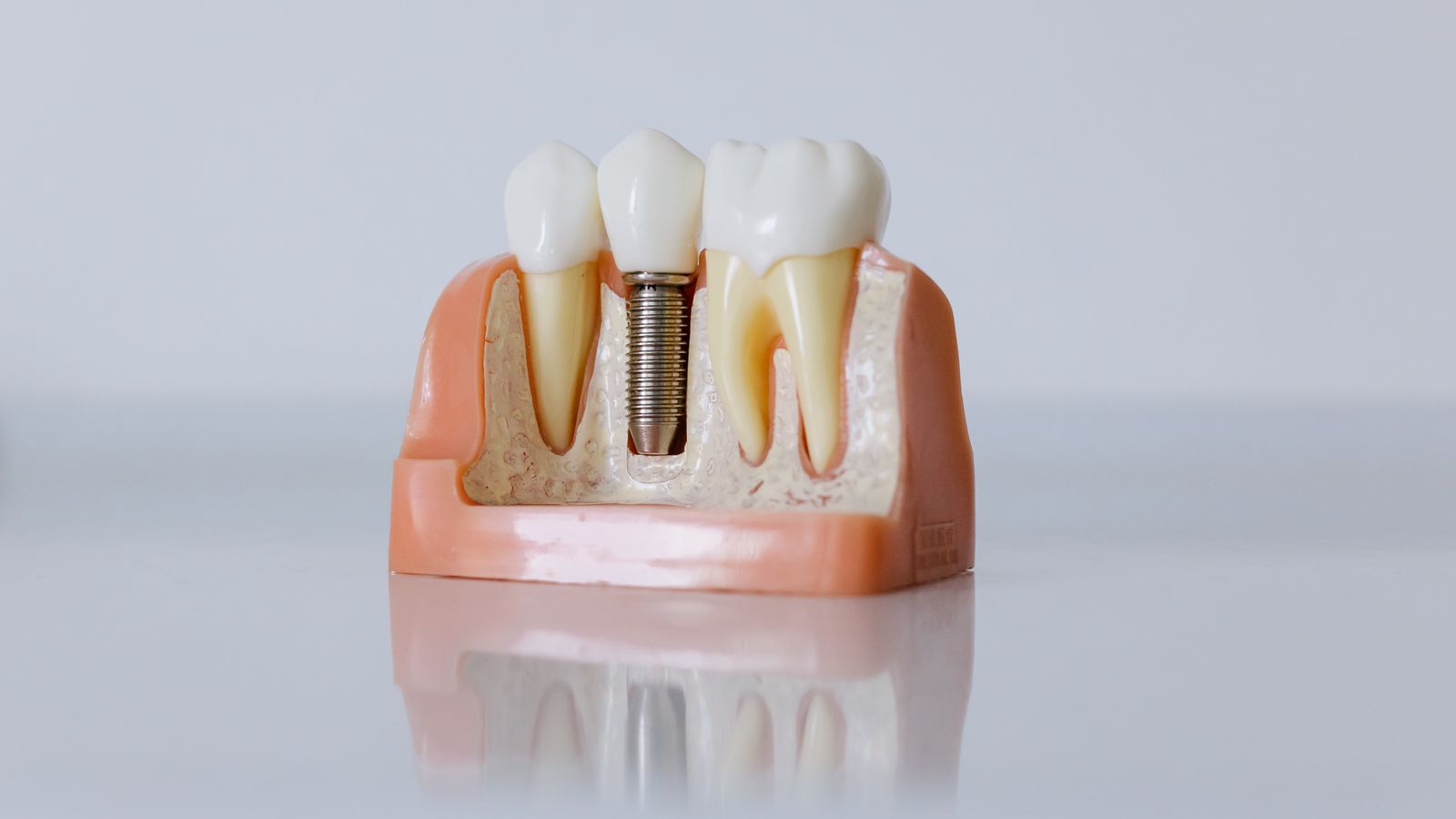
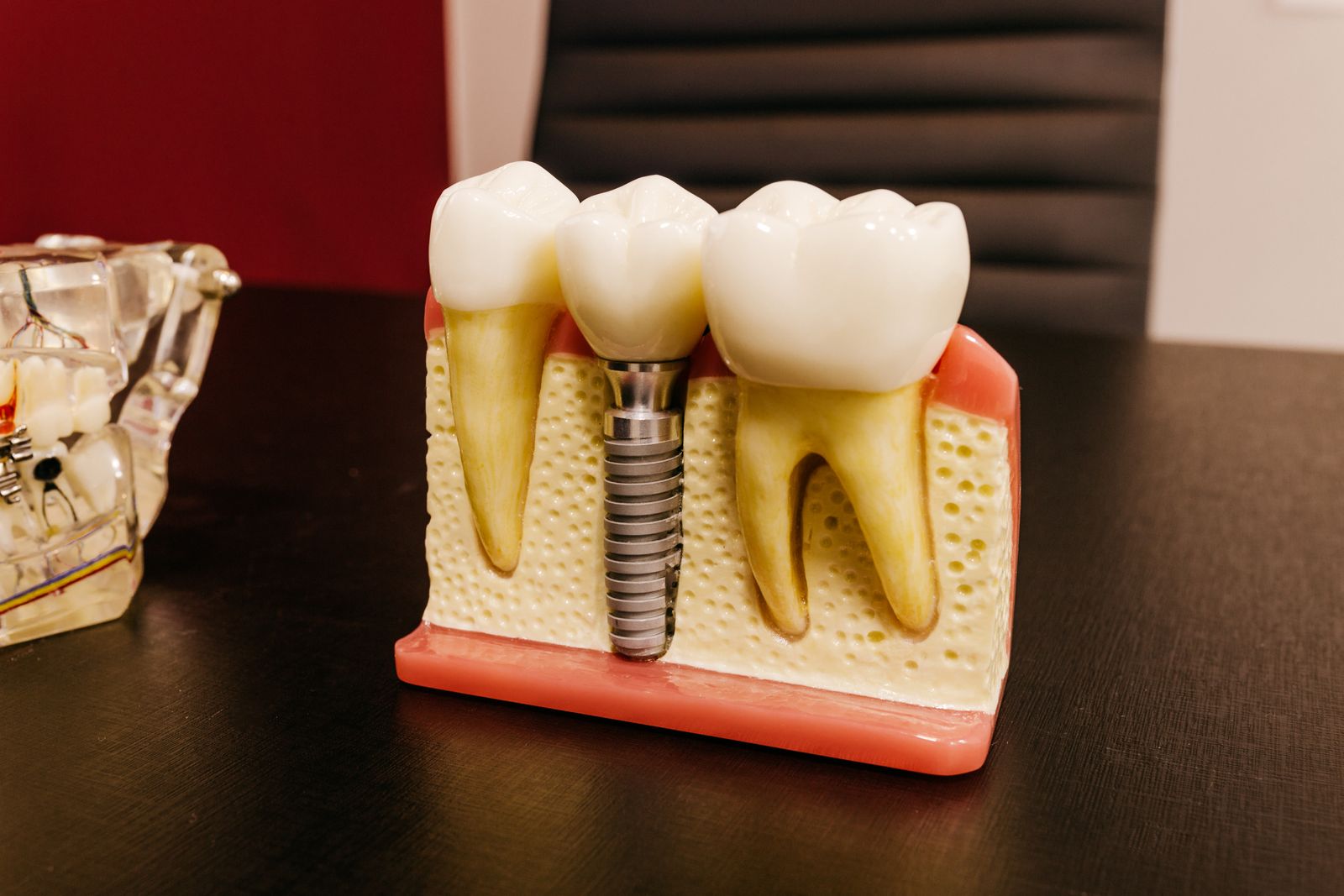
An implant is three separate things billed as one. There is the titanium post that goes into the bone, the abutment that connects it, and the crown that sits on top. Depending on the tooth and the bone underneath, there may also be a graft to build up a site that has already started to shrink.
That is why quotes vary so much between offices, and why comparing two numbers on two pieces of paper is usually comparing two different treatment plans. One may include the graft and the crown. One may not. Before you decide anything is unaffordable, make sure you know what the number actually covers. Ask for it itemized. Any office worth choosing will hand that over without flinching.
What happens if you just leave the gap
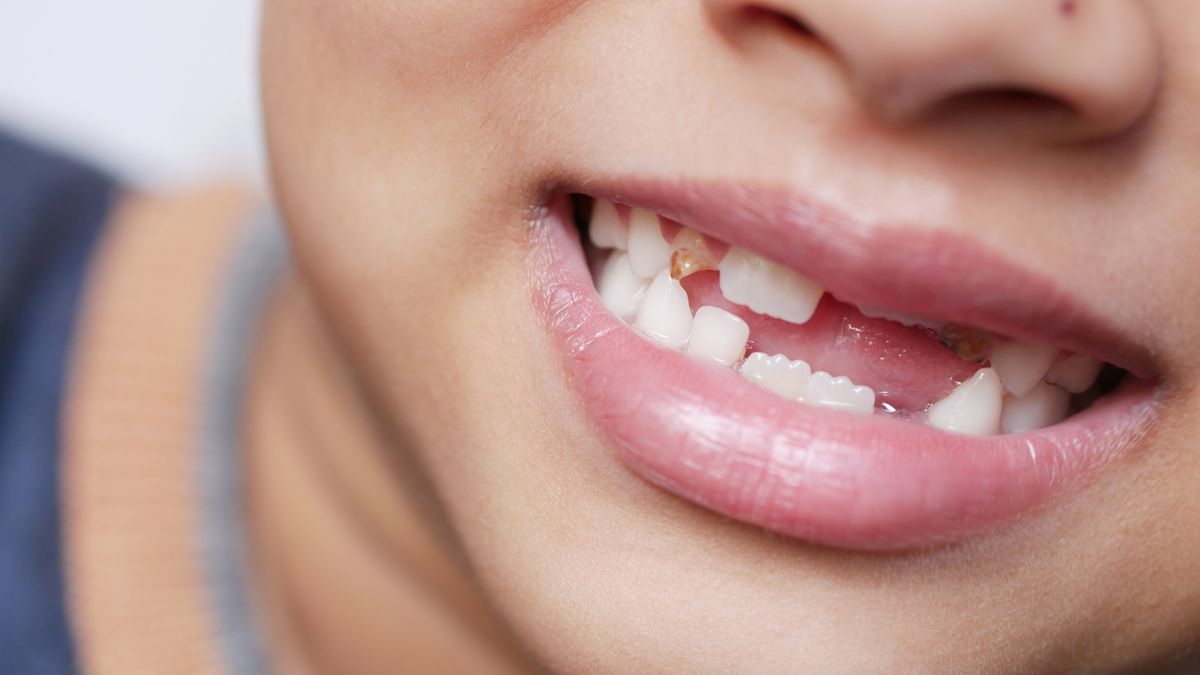
This is the part people underestimate, so it is worth being specific. A missing tooth is not a static situation. The mouth reorganizes itself around the space, and it starts sooner than you would think.
The teeth on either side start to drift
Teeth are held in position partly by their neighbors. Remove one and the two beside it slowly lean into the space. That tilt changes how your bite meets, which changes where the pressure lands when you chew. Teeth that were fine for decades start chipping or getting sensitive because they are now taking force at an angle they were never built for.
The bone underneath starts to shrink
Jawbone maintains itself in response to chewing pressure transmitted through the tooth root. No root, no signal, and the bone in that spot begins to resorb. The National Institute of Dental and Craniofacial Research treats tooth loss and the bone changes that follow as a linked problem for exactly this reason.
This matters practically: the longer you wait, the more likely it is you will need a graft before an implant is even possible. Waiting to save money on an implant can quietly add a procedure to the implant.
The opposite tooth grows down into the space
The tooth above or below the gap has nothing to bite against, so it erupts further out of the bone looking for contact. Eventually it can end up too long to leave room for a replacement, which means it has to be shortened, root canaled, or removed before the space can be restored.
Not sure what your gap is actually costing you?
Get a Straight Answer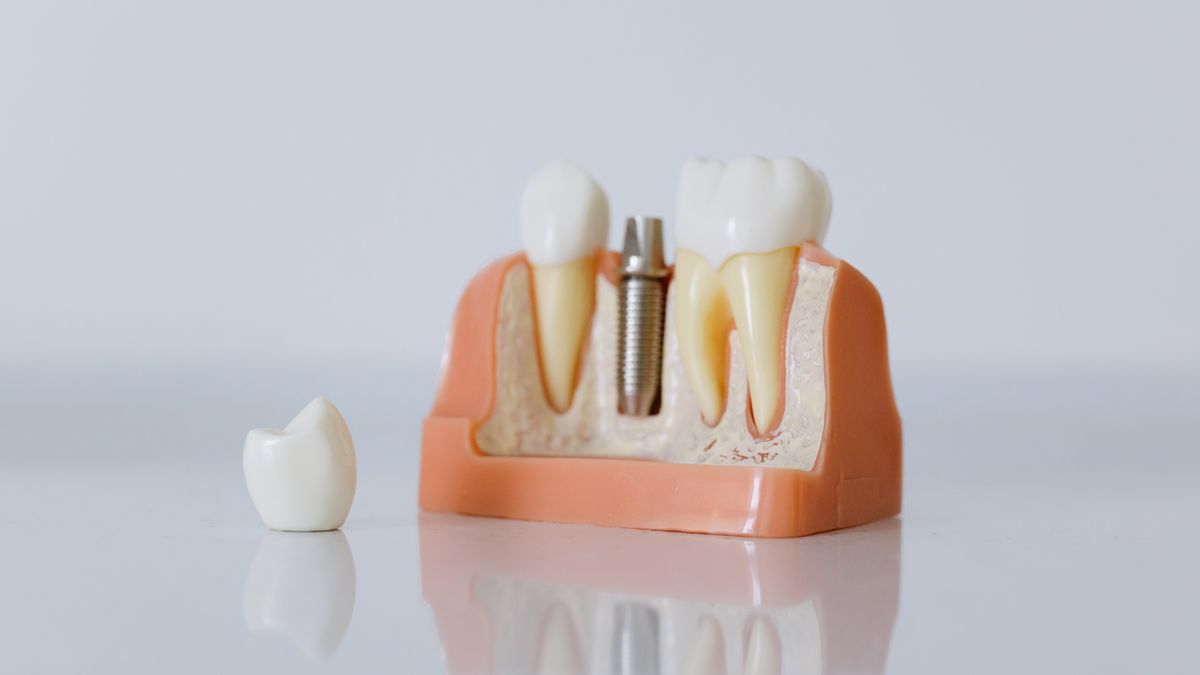
The real alternatives, ranked honestly
Every one of these is a legitimate choice in the right situation. None of them is a scam. They just trade different things.
A fixed bridge
A bridge anchors a replacement tooth to the teeth on either side. It is fixed in place, it looks and functions well, and it is typically less than an implant. The trade is that the two neighboring teeth have to be reduced to hold it, and if those teeth are healthy and untouched, that is a real cost that does not show up on the invoice. A bridge is an easier decision when the neighbors already have large fillings or crowns.
A removable partial denture
A partial fills the space, keeps the other teeth from drifting, and restores a lot of the chewing you lost. It comes out at night. It is the most affordable way to hold the position of your bite while you decide what to do longer term, and modern flexible partials are much less conspicuous than what most people picture. See our dentures and partial dentures page for what the process looks like.
A flipper as a stopgap
A flipper is a lightweight temporary partial, usually replacing a single tooth. It is not built to last for years and it is not built for heavy chewing. It exists to keep a front tooth space looking normal while you sort out the permanent plan. If the missing tooth shows when you smile, this is the cheap answer to the immediate problem.
Doing the implant in stages
This is the option people most often do not know exists. An implant does not have to be paid for in one transaction, because it is not performed in one appointment. The post placement, the healing period, and the final crown are naturally separated by months. Some patients do the extraction and graft now, heal, and place the implant in the next benefit year. You are not cutting corners. You are using the timeline the procedure already has.
Are dental implants a fit for your situation?
Three questions. No email needed.
Ways to make the number smaller
Membership plans if you have no insurance
If you are uninsured, a membership plan is usually a better deal than buying an individual dental policy, because individual policies tend to cap annual benefits at an amount that barely dents major work. Our Smile Club covers preventive visits and discounts treatment without a claims process or a waiting period.
Third party financing
Interest free windows are common for dental financing, and for a procedure that is naturally staged over months, that window often lines up well with the treatment itself. Our payment options page lays out what we accept.
Timing across two benefit years
If you do have insurance with an annual maximum, starting treatment late in one year and finishing early in the next can put two annual maximums against one case. This takes planning, so bring it up at the consultation instead of after the plan is set.
FSA and HSA dollars
Dental treatment is an eligible expense. If you have funds that expire, a staged implant is a good place to spend them deliberately rather than losing them.
When waiting is genuinely fine
Not every gap is urgent. If the missing tooth is a second molar at the very back, the space is stable, and nothing is drifting, watching it is a reasonable plan. Same if you are in the middle of orthodontic treatment, or pregnant, or dealing with something medical that should take priority. Waiting on purpose, with someone checking the site periodically, is a completely different thing from waiting because you are avoiding the conversation.
When waiting is the expensive choice
Waiting costs you money when the tooth is still in your mouth and infected. An infected tooth does not stabilize. It progresses, and it can progress into an abscess that turns a planned procedure into an emergency one. If you are weighing extraction against saving the tooth, we covered that fork in detail in what happens if you pull the tooth instead of getting a root canal.
Waiting also costs you when the neighboring teeth have already begun to tilt, or when you are relying on one side of your mouth to chew. That habit loads one joint and one set of teeth much harder than they were designed for, and it tends to show up later as a cracked tooth or a sore jaw.
Our honest recommendation
If you can get to an implant, get to an implant. It is the only option that replaces the root, which is the only option that keeps the bone doing its job. Nothing else on this list does that.
But if you cannot get there this year, do not do nothing. Hold the space. A partial or a flipper costs a fraction of an implant and prevents the drifting and over erupting that quietly makes the eventual implant harder and more expensive. The worst financial outcome is not choosing the cheaper option. It is choosing nothing for three years and then needing a graft, an adjustment to two other teeth, and the implant you were trying to avoid paying for in the first place.

Come in and get it looked at. You will get a straight assessment of how stable the space is, what it will look like in two years if nothing changes, and which of these options actually applies to your mouth. Our dental implants page covers the procedure itself, and you can see the Overland Park office if you have not been in before.
Common questions
Is it bad to leave a missing tooth alone?
It depends on which tooth and how long. The teeth beside the gap tend to drift into it, the tooth opposite can over erupt, and the bone under the space slowly resorbs. A back molar space may stay stable for a while, but most gaps change over time, which is why holding the space with even an inexpensive partial is usually worth it.
What is the cheapest way to replace a missing tooth?
A removable partial denture is generally the most affordable option that actually restores function and holds the space. A flipper is cheaper still but is meant as a temporary appearance fix rather than a long term chewing solution.
Can I get an implant years after losing the tooth?
Usually yes, but the longer the site has been empty the more likely you will need a bone graft first, because the jawbone in that area shrinks without a root stimulating it. That adds a step and cost, which is why waiting can make the eventual implant more expensive.
Does dental insurance cover implants?
Many plans now contribute something toward implants, though often less than they contribute toward a bridge, and annual maximums usually cover only part of a case. Staging treatment across two benefit years is a common way to apply two annual maximums to one implant.
Is a bridge as good as an implant?
A bridge works well and looks natural, but it requires reducing the two teeth on either side and it does not preserve the bone under the missing tooth. If the neighboring teeth are already crowned or heavily filled, a bridge is a strong choice. If they are healthy and untouched, an implant leaves them alone.
There is almost always a middle option.
Come in, get an honest assessment of the tooth and the space around it, and leave knowing what you can do now and what can wait.
Love To Smile, Complete Family and Implant Dentistry. Implants planned and placed in house.
Want answers like this at the top of your search results?
Add Love To Smile as a Preferred Source on GoogleRequest an appointment
We would love to hear from you. Send us a message and our team will reach out to get you scheduled.