


It shows up like you have been sucking on a coin. Food tastes wrong, coffee tastes wrong, and rinsing does very little. Sometimes it fades for an hour and comes back.
Taste distortion has a name, dysgeusia, and it has a fairly short list of causes. Some are dental, some are medical, and some are so ordinary you will fix them this week. Here is how to narrow it down.
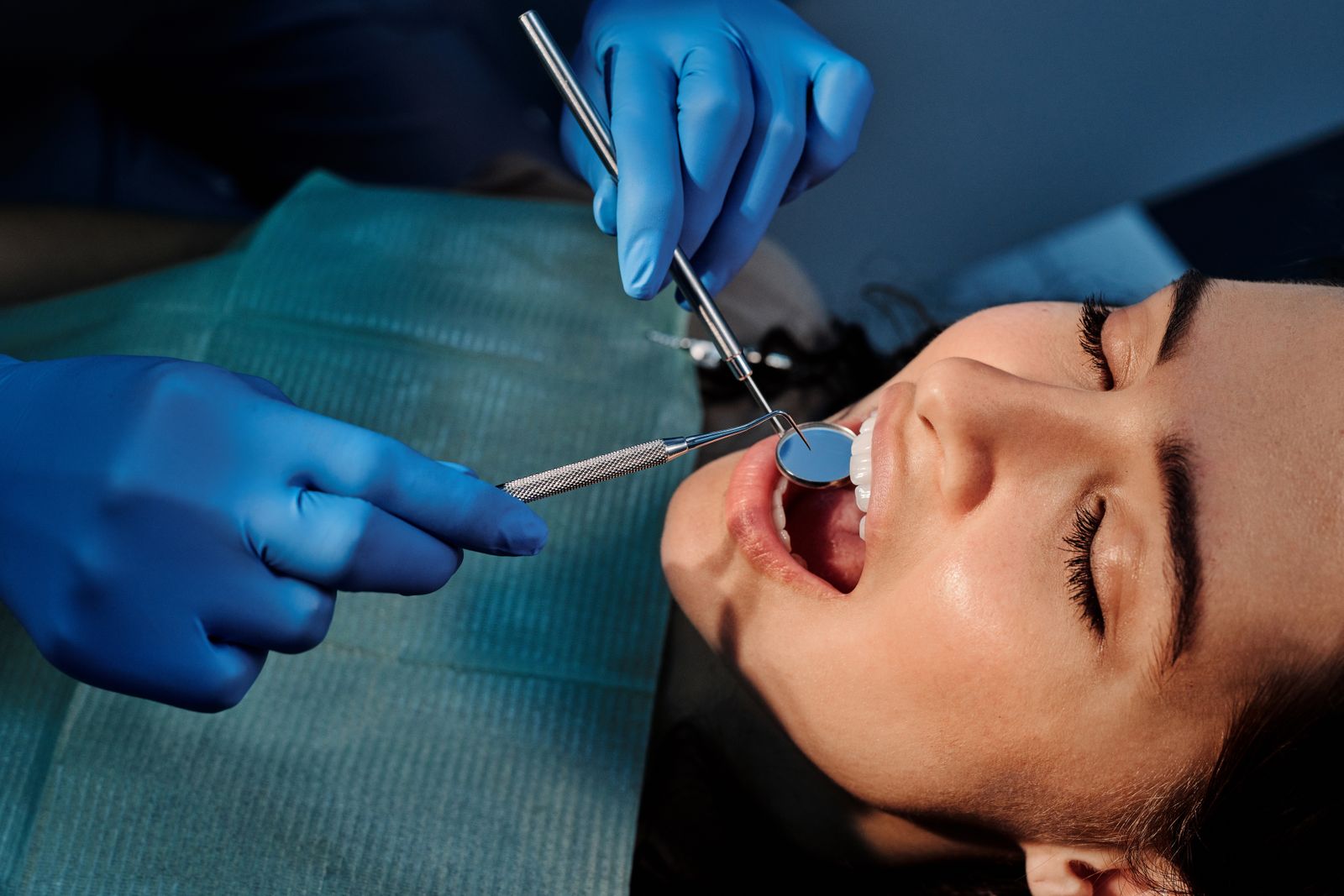
First, the timing question
Before anything else, work out when it started and what else started around the same time. Taste changes are unusual in that the cause is very often something you can name if you go looking. A new prescription, a cold, a course of antibiotics, a pregnancy, a new filling.
If you can line the taste up with an event on a calendar, you have probably found your answer.
Gum disease and infection
The most common dental cause, and the one most likely to be quietly progressing.
Inflamed gums bleed, and blood contains iron. A small amount of ongoing bleeding you may not even notice is enough to produce a persistent metallic taste. If your gums bleed when you brush or floss, this is very likely your answer, and it is worth taking seriously rather than tolerating. We went into what bleeding actually indicates in why your gums bleed when you floss.
An abscess or an infected tooth produces something more distinctly foul than metallic, often with a bad smell, a bad taste that comes and goes, and sometimes a small pimple like bump on the gum that drains. That is not a wait and see situation.

Medications
A long list of drugs alter taste, either by being secreted into saliva or by acting on the taste receptors directly. The frequent offenders are certain antibiotics, particularly metronidazole and clarithromycin, metformin, blood pressure medications including ACE inhibitors, lithium, some antihistamines and antidepressants, allopurinol, and high dose vitamin and mineral supplements.
Iron, zinc, calcium and multivitamins are the ones people forget to count, because they do not think of a supplement as a medication. If the taste began within a week or two of starting something new, that is almost certainly it. Do not stop a prescription on your own, but do raise it with whoever prescribed it, because there is often an alternative.

Sinus and upper respiratory causes
Most of what we call taste is actually smell. Anything that blocks the nose flattens and distorts taste, which is why food tastes like cardboard with a cold. Sinus infections, allergies and post nasal drip all do it, and post nasal drip can add its own taste from the back of the throat.
If yours came with congestion, it will very likely resolve as the congestion does.
Taste changes that will not go away?
Get CheckedPregnancy
A metallic taste in the first trimester is common enough to have its own recognition among people who have been pregnant. It is attributed to hormonal changes and usually settles as the pregnancy progresses.
Worth pairing with a dental note: pregnancy makes gums considerably more prone to inflammation and bleeding, which can add a second contributing cause. Dental care during pregnancy is safe and recommended, and our page on dental care during pregnancy covers what changes and what does not.
How well is your daily routine actually protecting you?
Three questions. No email needed.
Dental work and dissimilar metals
A brief metallic taste after a new filling or crown is common and usually settles within days.
There is also a genuine but uncommon phenomenon called galvanic shock, where two different metals in the mouth, for example an old amalgam filling and a new gold or metal crown, sit close together in saliva and generate a small electrical current. It produces a metallic taste and sometimes a brief zing. It is real, it is harmless, and it is fixable by changing one of the restorations if it bothers you.
An old amalgam filling that is failing can also leak and taste metallic, which is worth checking.

The causes worth ruling out properly
Most metallic taste is benign. A few causes are not, and they deserve naming plainly rather than being buried.
Kidney and liver conditions alter taste because of what accumulates in the blood. Certain neurological conditions affect the nerves carrying taste signals. Reflux brings stomach contents up far enough to be tasted, though that is usually described as sour or bitter. Vitamin B12 or zinc deficiency can distort taste. And a lasting change in taste or smell without an obvious cause is something a physician should evaluate.
Two specific situations need medical attention rather than dental: a metallic taste with shortness of breath, hives or swelling can indicate anaphylaxis and needs emergency care, and a sudden taste change alongside numbness, weakness, confusion or difficulty speaking needs emergency care.
What to try while you work it out
Rinse with warm salt water, which is gentler than commercial mouthwash and helps if inflammation is contributing. Brush your tongue or use a tongue scraper, because bacteria accumulate on the tongue surface and contribute to taste more than most people expect. Stay well hydrated, since a dry mouth concentrates whatever is in your saliva and makes tastes stronger.
Eat with plastic or wooden utensils rather than metal for a few days, which sounds trivial but genuinely helps some people. Add something acidic like citrus or a vinegar dressing to stimulate saliva, unless you have enamel erosion. And take supplements with food rather than on an empty stomach.
When to get it looked at
See a dentist if your gums bleed, if you have a bad smell or taste localized to one area, if you have a tooth that hurts or is tender to bite on, if there is a bump on your gum, or if it started after recent dental work and has not settled in a couple of weeks.
See a physician if there is no dental explanation, if the taste has lasted more than a few weeks, if it came with a new medication you need to stay on, or if you have other symptoms alongside it. Bring a list of everything you take, including supplements, because that list solves this more often than any test.
Common questions
What causes a metallic taste in the mouth?
The most frequent causes are gum inflammation that bleeds slightly, medications and supplements including certain antibiotics, metformin, blood pressure drugs and iron or zinc tablets, sinus congestion that disrupts smell, pregnancy in the first trimester, and recent dental work. Less commonly it relates to kidney, liver or neurological conditions.
Can gum disease cause a metallic taste?

Yes, and it is one of the more common dental explanations. Inflamed gums bleed, and the iron in blood tastes metallic. If your gums bleed when brushing or flossing, treating that inflammation usually resolves the taste as well.
Should I worry about a metallic taste in my mouth?
Usually not on its own, particularly if you can link it to a new medication, a cold or pregnancy. It warrants attention if it persists beyond a few weeks with no obvious cause, or if it comes with bleeding gums, tooth pain, a gum bump, or symptoms elsewhere in the body.
Why do I have a metallic taste after a filling?
A brief metallic taste after new dental work is common and usually settles within a few days. Occasionally two different metals in the mouth, such as an old amalgam filling next to a new metal crown, generate a small current in saliva that tastes metallic. It is harmless but can be resolved by changing one restoration.
Can a metallic taste be a sign of something serious?

Rarely, but a lasting taste change with no dental or medication explanation is worth a medical assessment, since kidney, liver and neurological conditions can all affect taste. Seek emergency care if a metallic taste comes with shortness of breath, swelling or hives, or with numbness, weakness or confusion.
Some causes are dental. Some are not.
We can rule the dental ones in or out quickly, which usually narrows the list considerably and tells you where to look next.
Love To Smile, Complete Family and Implant Dentistry.
Want answers like this at the top of your search results?
Add Love To Smile as a Preferred Source on GoogleRequest an appointment
We would love to hear from you. Send us a message and our team will reach out to get you scheduled.