

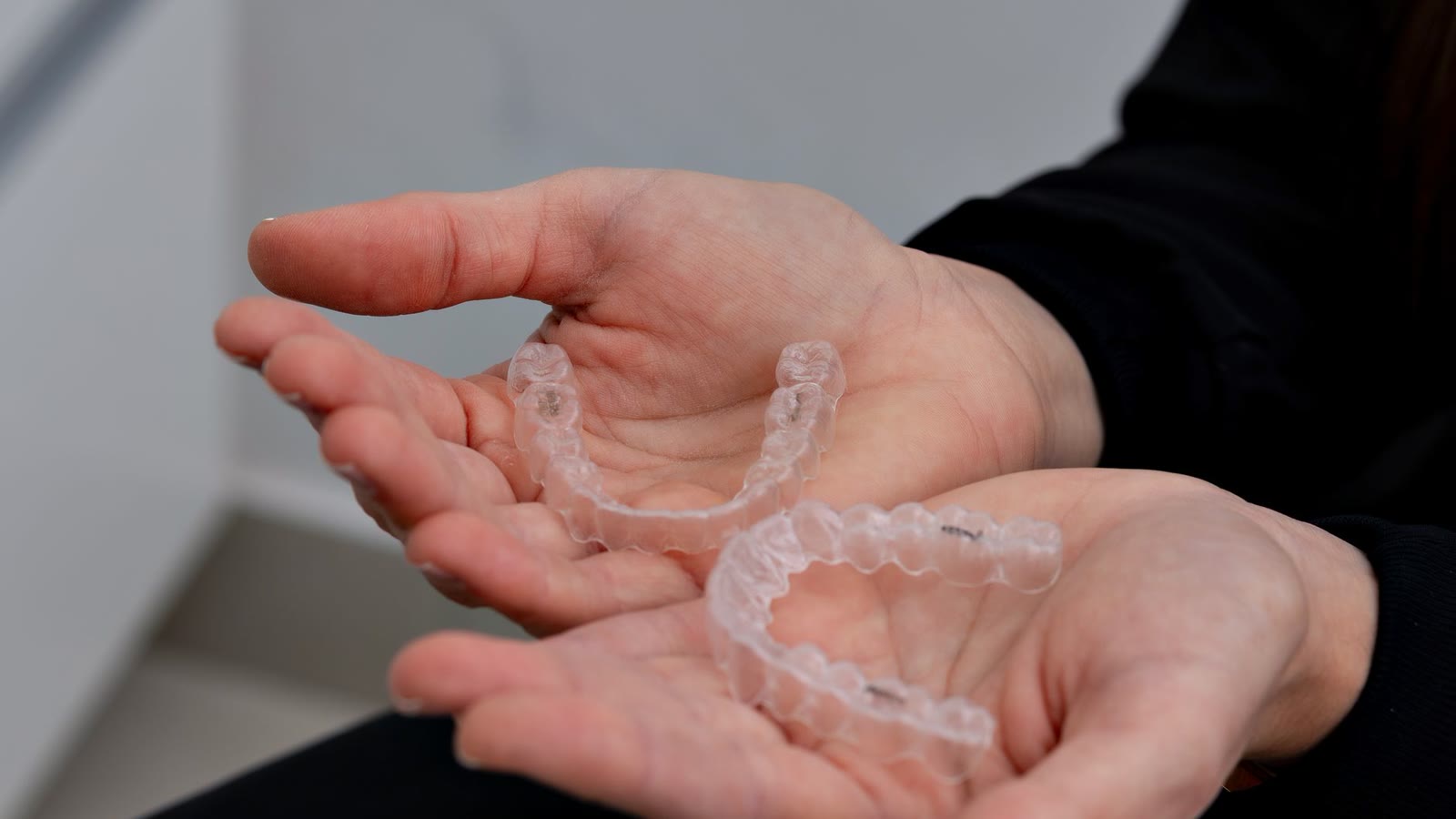
What are Invisalign refinements? Around the time you expect to finish, your provider may use a word you have not heard before, and it can sound like a setback.
It usually is not. This guide explains what refinements are, why teeth sometimes lag behind the plan, what the published numbers do and do not say, and what you can do to improve your odds of finishing on schedule. It also covers the real possibility that you will not need one at all.
What are Invisalign refinements?
Invisalign refinements are additional sets of aligners made when your teeth have not quite reached the positions your plan called for. A 2025 paper in Scientific Reports defines refinement as the need for additional aligners to achieve the desired outcomes (Scientific Reports). One UK dental group describes them as a continuation of treatment, focused on small corrections rather than large movements (Whites Dental guide). They are not a restart.
At Love To Smile, we monitor progress throughout treatment and make small refinements if needed. It is a normal part of how aligner treatment works, not a sign that something has gone wrong.
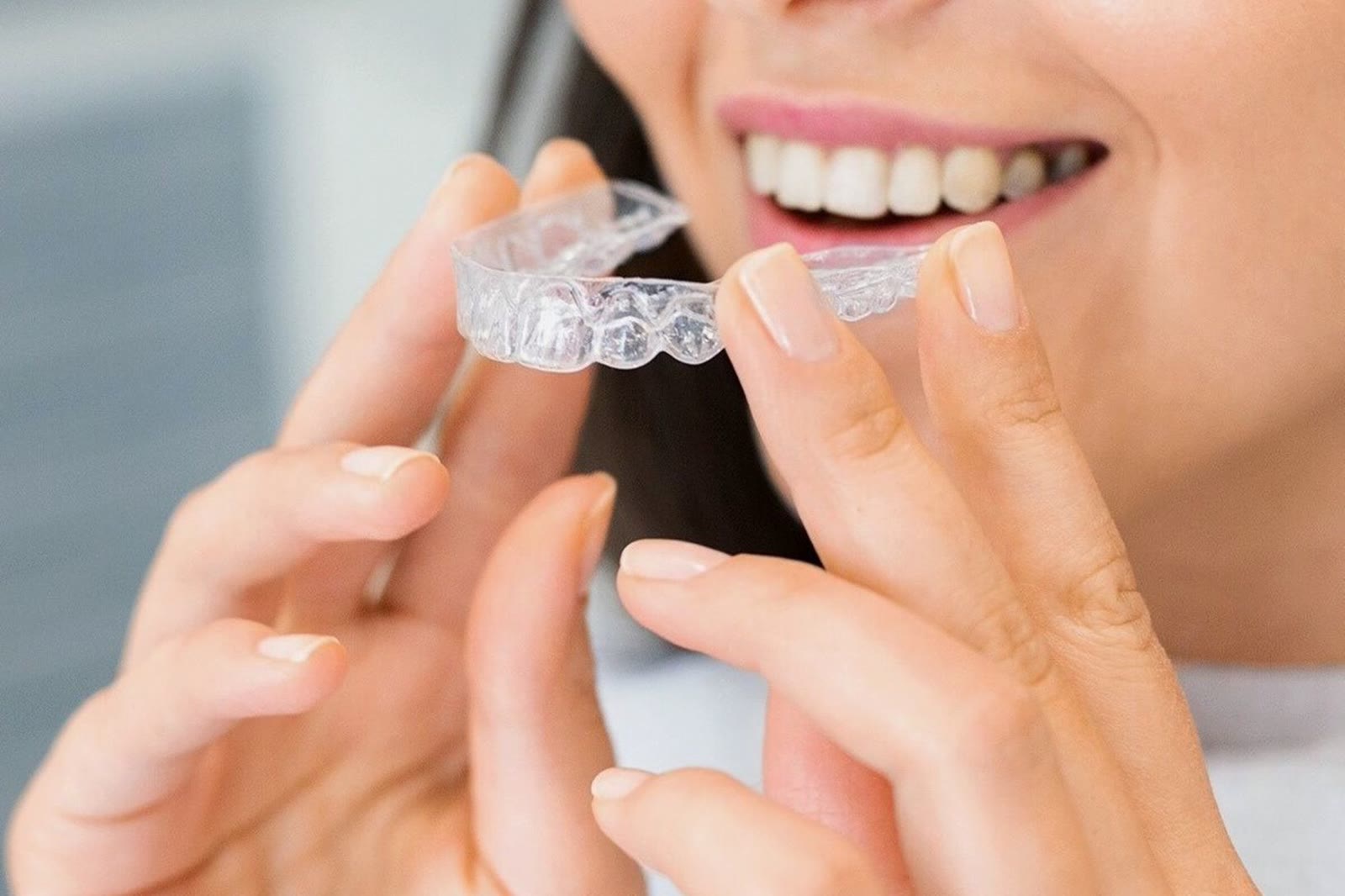
How the process usually works
Steps vary by provider, but the general sequence looks like this:
- Review.Near the end of your last planned aligner, your provider compares where your teeth are with where the plan said they would be.
- New scan.The UK group’s guide says refinements begin with a new digital scan once the first sequence is complete.
- Updated plan.Small differences are identified and a new aligner sequence is designed to correct them.
- New aligners.The new set has to be planned and made, so there is a wait. Your provider can tell you how long.
- Retainers.Once your teeth reach the goal, treatment ends with retainers.
Why do some teeth need extra aligners?
Teeth do not always move exactly the way the digital plan predicts. A 2025 study in the Dental Press Journal of Orthodontics says the predictability of digitally planned tooth movements is often low, which leads to the need for additional aligners (Dental Press Journal of Orthodontics). Researchers point to a few recurring reasons.
Movements that aligners find harder
A 2025 systematic review in Cureus found that bucco-lingual tipping (tilting a tooth toward the cheek or tongue) was the most accurate movement, while rotation, intrusion and expansion showed lower precision (Cureus review). A Scientific Reports study of 116 patients and 696 front teeth treated with Invisalign found that the upper lateral incisors showed a greater susceptibility to refinement when the plan called for complex movements such as rotation and inclination, and that responses varied from tooth to tooth.
Wear time, planning and case complexity
The Cureus review concludes that success is multifactorial, driven mainly by patient compliance, treatment planning and case complexity. It names inadequate wear time as a major cause of suboptimal outcomes. One study it summarizes defined full compliance as wearing aligners at least 22 hours a day, and found that only 36% of patients met it. That is a high bar, and it says as much about how hard the schedule is as about patients.
Biology you cannot control
The Scientific Reports authors noticed that refinement rates differed between the left and right front teeth even when the planned movements were similar, and suggested individual anatomy as a possible contributor. Bodies respond differently, and no plan can fully predict that.
| Reason | Who controls it | What to know |
|---|---|---|
| Aligners worn fewer hours than prescribed | You | The Cureus review calls inadequate wear time a major cause of suboptimal results. |
| A tray change that slipped | You | Your provider can only adjust the plan around what they know, so tell them early if you fall behind. |
| A movement aligners find hard | Your provider plans for it | Rotation, intrusion and expansion showed lower precision than simple tipping in the review. |
| Individual biology | Neither of you | In one study, left and right front teeth with similar planned movements needed refinement at different rates. |
How common are Invisalign refinements?
In published studies, most clear aligner cases involve at least one refinement, though the figures come with caveats. The Scientific Reports paper notes that several studies have reported that over 70% of clear aligner cases require at least one refinement stage, with many needing two or more. A Dental Press Journal of Orthodontics survey of 188 orthodontists in Brazil, who reported on 2,937 aligner treatments from the previous 24 months, found that 70.31% needed additional aligners and 21.95% needed two or more.
Survey of 188 orthodontists in Brazil, 2,937 aligner treatments
What those numbers do not tell you
The survey was a voluntary questionnaire sent to Brazilian orthodontists through a messaging app, so the figures are self-reported and are not US data. They describe clear aligner treatment in general, and they say nothing about how often any one practice, or you, will need a refinement. Treat them as a rough sense of how often it happens, not a prediction.
One more detail from the same survey: more experienced orthodontists requested refinements more often, and the authors concluded that the need was not tied to a lack of experience or knowledge of the technique.
Does needing a refinement mean treatment failed?
No. In the Brazilian survey, the most experienced specialists asked for refinements more often than less experienced ones, and the authors found no link between the need for them and inexperience. A refinement is the plan adjusting to how your teeth actually moved. It is not a verdict on you or on your provider.
Where would a refinement fit in your treatment?
Tap through the stages below. At the final review you can choose either path, and one of them ends with no refinement at all.
Walk through an aligner treatment
Tap each stage to see what happens. At the final review, choose what your teeth did and watch the path split. Steps vary by provider.
Nearing the end of your aligners, or wondering whether Invisalign is right for you? We are happy to talk it through.
Book a free consultCan you lower the odds of needing a refinement?
You can improve your odds, but you cannot guarantee them. The things within your control are the same ones the research keeps pointing to.
- Wear each set as prescribed.Our adult braces page says you wear each set for the recommended hours per day and switch to the next on schedule, usually every one to two weeks.
- Keep your check-ins.We see patients periodically to check progress and keep things on track.
- Speak up early.If a tray does not fit the way you expected, or you have fallen behind on the schedule, tell your provider before the final review.
- Set realistic expectations.Harder movements may be more likely to need touch-ups, which is a reason to ask about your own case at the start.
If you are still deciding between aligners and braces, our Invisalign and braces page explains the options, and our guide on whether you are too old for braces covers what matters for adults.
What should you ask your provider about refinements?
Bring a few questions to a check-in or the final review. These five are worth asking:
- How will you decide whether I need a refinement?Ask what your provider looks at, and whether a new scan is part of it.
- How long might a refinement add?The Scientific Reports authors say additional phases increase treatment time, so ask for an estimate for your case.
- Is there anything I can change now?Wear time and schedule are the usual answers.
- What would stopping early mean for my bite and results?You are entitled to a straight answer about the trade-off.
- What is the retainer plan?Ask what you will wear and for how long afterward.
Common questions
What does refinement mean in Invisalign?
It means additional aligners made when teeth have not quite reached the planned positions. A 2025 Scientific Reports paper defines refinement as the need for additional aligners to achieve the desired outcomes.
How many refinements are normal?
There is no single normal number. Studies report that most clear aligner cases need at least one refinement, and a Brazilian survey of orthodontists found about 22% of treatments needed two or more. Some cases finish without any.
Do Invisalign refinements add time to treatment?
Yes. The Scientific Reports authors say additional phases increase treatment time. How much depends on your case, so ask your provider for an estimate at your final review.
Does needing a refinement mean I did something wrong?
Not necessarily. Wear time matters, but so do the type of tooth movement and individual biology. In one study, even matching left and right front teeth needed refinement at different rates.
Can Invisalign refinements be avoided?
Not always, but you can improve your odds. Wearing aligners as prescribed, keeping check-ins and telling your provider early if something feels off are the steps within your control.
How long do Invisalign refinements take?
There is no standard length. One UK dental group’s guide says that after the refinement scan, the new aligners must be planned and made, and that your clinician usually gives you a timeframe at that point.
Questions about your aligner treatment?
Whether you are thinking about starting Invisalign or heading toward the finish line, we can explain what to expect in plain language.
Every case is different. This page is general education, not a treatment plan.
Want answers like this at the top of your search results?
Add Love To Smile as a Preferred Source on GoogleRequest an appointment
We would love to hear from you. Send us a message and our team will reach out to get you scheduled.