



The Immediate Consequences: Your Mouth Under Siege
When you skip flossing, you’re essentially rolling out the red carpet for over 700 different species of bacteria that call your mouth home. These microscopic invaders quickly establish colonies in the tight spaces between your teeth where your toothbrush simply cannot reach.
Within just 24-72 hours of not flossing, plaque begins to harden into tartar along your gumline. This bacterial buildup releases toxins that irritate your gums, causing them to become red, swollen, and prone to bleeding. According to the American Dental Association, this early stage of gum disease, called gingivitis, affects nearly half of all adults over 30.

The Bacterial Highway System
Your mouth contains one of the most direct pathways to your bloodstream in your entire body. The thin tissue of your gums, especially when inflamed from poor oral hygiene, becomes incredibly permeable. This creates what dental professionals call a “bacterial highway” directly into your circulatory system.
Every time you chew, brush your teeth, or even just swallow, bacteria from infected gums can enter your bloodstream through tiny tears in the gum tissue. These bacteria don’t just disappear – they travel throughout your body, potentially setting up shop in organs far from your mouth.
The Heart-Mouth Connection: A Deadly Partnership
Perhaps the most alarming consequence of chronic gum disease is its connection to cardiovascular problems. Research published in the Mayo Clinic journals shows that people with gum disease are 2-3 times more likely to have a heart attack or stroke.
How Oral Bacteria Attacks Your Heart
When harmful bacteria from your mouth enter your bloodstream, they can attach to fatty deposits in your coronary arteries. This triggers your immune system to release inflammatory chemicals as it tries to fight off the bacterial invasion. Unfortunately, this inflammatory response can cause the fatty deposits to rupture, leading to blood clots that block arteries and cause heart attacks.
Not sure which option is right for you?
Book Your ConsultScientists have actually found the same strains of bacteria that cause gum disease living inside the atherosclerotic plaques that clog arteries. This isn’t coincidence – it’s direct evidence of how oral health problems can literally travel to your heart.
How well is your daily routine actually protecting you?
Three questions. No email needed.

Beyond Your Heart: The Full-Body Impact
Diabetes: A Two-Way Street
The relationship between gum disease and diabetes creates a vicious cycle. High blood sugar levels make it harder for your body to fight off bacterial infections, including those in your mouth. Simultaneously, chronic gum inflammation can make it more difficult to control blood sugar levels, creating a dangerous feedback loop.
Studies show that people with severe gum disease have higher HbA1c levels (a measure of long-term blood sugar control) and are more likely to develop Type 2 diabetes. For Overland Park residents managing diabetes, maintaining excellent oral hygiene becomes even more critical for overall health management.
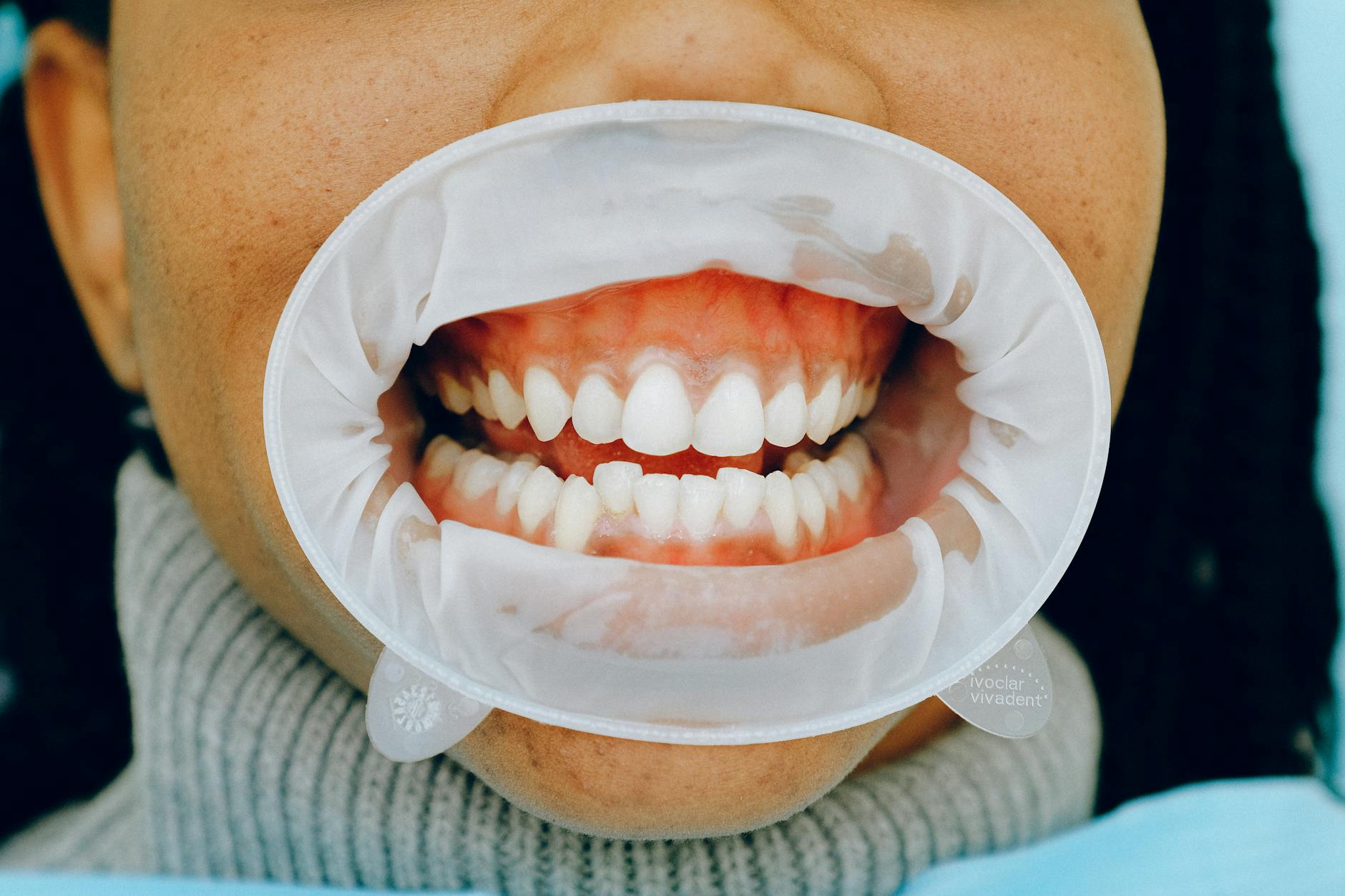
Respiratory Complications
Your mouth is the gateway to your respiratory system, making it a direct route for bacteria to reach your lungs. People with gum disease have significantly higher rates of pneumonia and chronic obstructive pulmonary disease (COPD). The bacteria that thrive in infected gums can be aspirated into the lungs, where they cause serious respiratory infections.
Pregnancy Complications
Pregnant women with gum disease face increased risks of premature birth and low birth weight babies. The inflammatory chemicals produced in response to oral bacteria can trigger early labor, while bacterial infections can directly affect fetal development. The Centers for Disease Control recommends that all pregnant women receive dental care as part of their prenatal health routine.
The Inflammatory Cascade: How Local Infection Becomes Systemic Disease
When you don’t floss, you’re not just dealing with a localized mouth problem – you’re triggering a whole-body inflammatory response. Chronic gum disease keeps your immune system in a constant state of alert, producing inflammatory markers like C-reactive protein (CRP) and interleukin-6.
These inflammatory chemicals travel throughout your bloodstream, contributing to inflammation in other parts of your body. This chronic, low-level inflammation is linked to numerous serious health conditions including rheumatoid arthritis, Alzheimer’s disease, and certain types of cancer.

The Mental Health Connection
Emerging research reveals surprising connections between oral health and mental wellbeing. Chronic inflammation from gum disease may contribute to depression and anxiety disorders. Additionally, the social and psychological impact of bad breath, tooth loss, and an unattractive smile can significantly affect self-esteem and quality of life.
Schedule a Checkup →For residents of Johnson County dealing with both oral health issues and mental health concerns, addressing gum disease through proper flossing and professional care can be an important component of overall wellness.
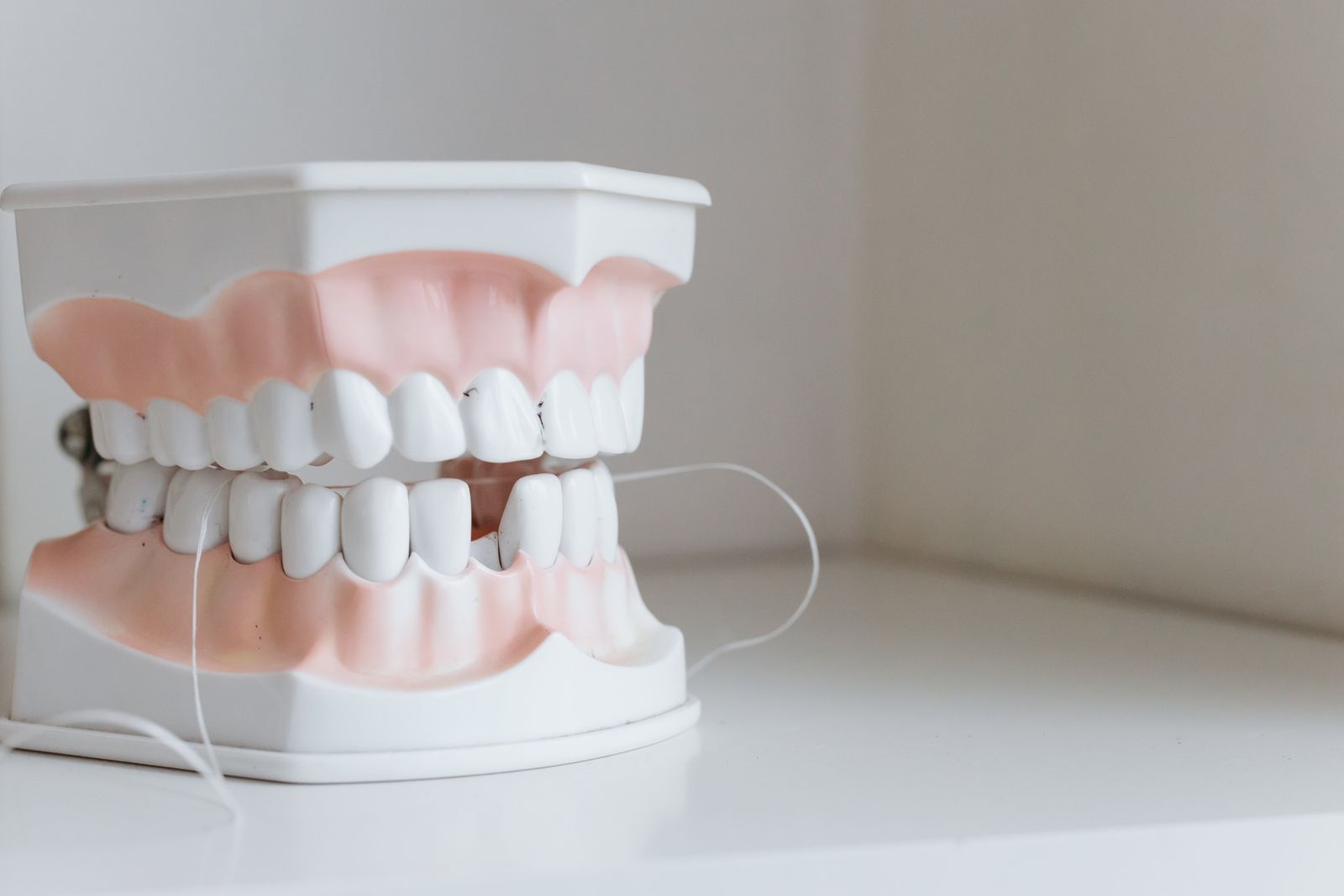
The Good News: Prevention is Simple
Despite these serious consequences, the solution is remarkably straightforward. Daily flossing, combined with regular brushing and professional dental cleanings, can prevent virtually all of these systemic health problems related to oral bacteria.
Ready for a smile you actually like looking at?
Sit down with Dr. Pedersen, get a straight assessment of where your teeth are today, and leave with a plan and a timeline you understand.
Love To Smile, Complete Family and Implant Dentistry. Diamond Provider of Invisalign.
Want answers like this at the top of your search results?
Add Love To Smile as a Preferred Source on GoogleRequest an appointment
We would love to hear from you. Send us a message and our team will reach out to get you scheduled.