

The good news? Modern dentistry has evolved dramatically, and finding a dental practice that prioritizes your comfort and emotional well-being is entirely possible. Let’s explore how you can finally overcome that dental anxiety and find a dentist who makes you feel safe, heard, and cared for.

Understanding Why Dental Anxiety Develops
Before diving into solutions, it’s important to understand that dental anxiety isn’t something you should feel ashamed about. This fear often stems from:
- Past traumatic experiences: A painful procedure or dismissive treatment from a previous dentist
- Fear of pain: Worrying that dental procedures will hurt
- Loss of control: Feeling helpless while lying back in the dental chair
- Embarrassment: Concerns about the condition of your teeth or bad breath
- Needle phobia: Fear of injections used for numbing
- Claustrophobia: Feeling trapped during treatment
According to the American Dental Association, these fears are so common that most dental practices now have specific protocols to help anxious patients feel more comfortable.
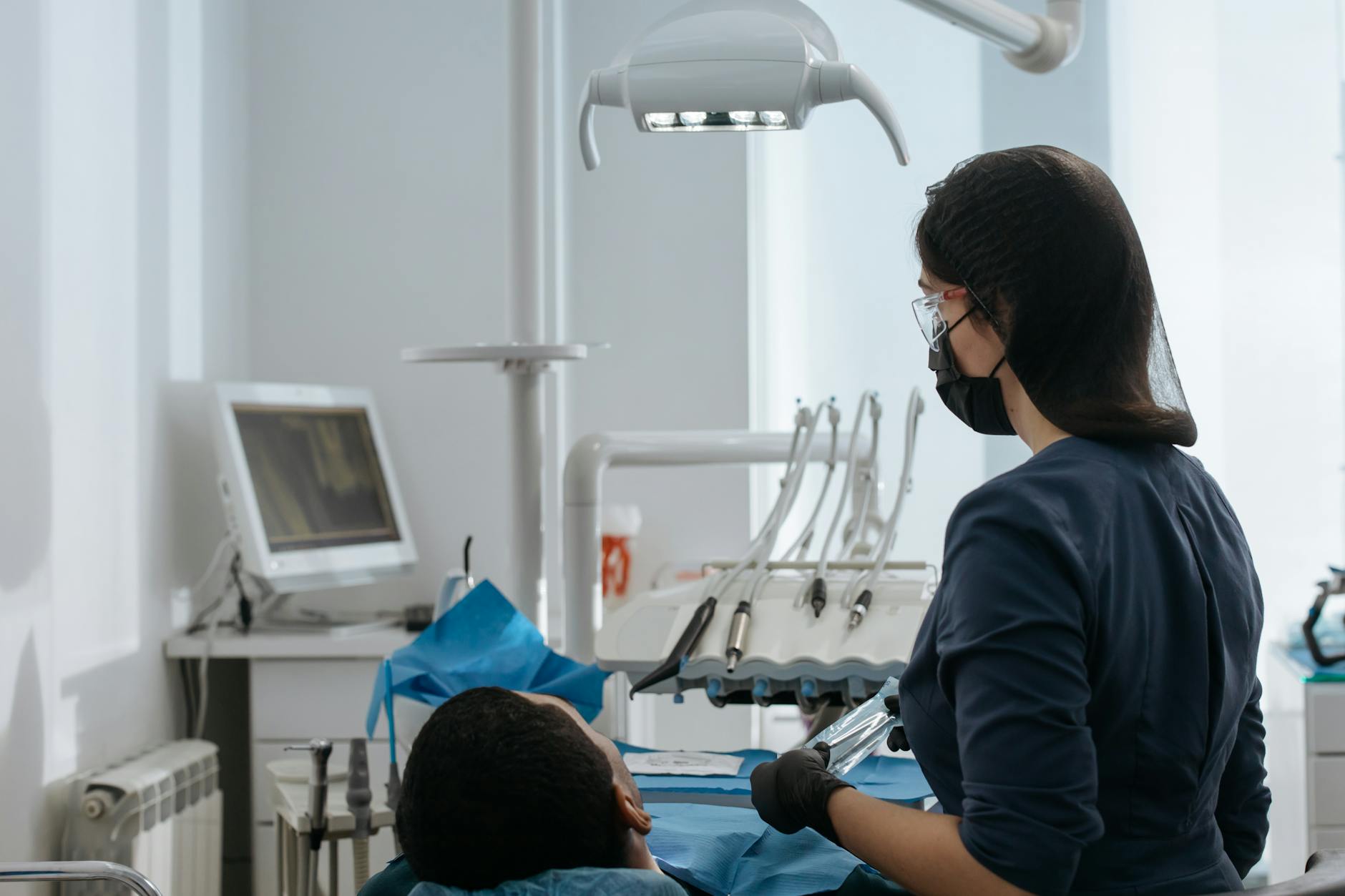
What to Look for in an Anxiety-Friendly Dental Practice
Not all dental offices are created equal when it comes to treating anxious patients. Here are the key characteristics that separate truly compassionate practices from the rest:
Communication Style and Approach
The right dental team will never make you feel rushed or judged. Look for practices that:
- Take time to listen to your concerns without interruption
- Explain procedures in detail before starting
- Use non-intimidating language and avoid dental jargon
- Respect your need for breaks during treatment
- Allow you to ask questions at any time
Office Environment and Amenities
The physical environment plays a crucial role in your comfort level. Anxiety-friendly practices often feature:
- Comfortable waiting areas with calming colors and décor
- Noise-canceling headphones or music options
- Blankets and pillows for added comfort
- Natural lighting when possible
- Pleasant aromatherapy or air purification systems
- Private treatment rooms that feel spa-like rather than clinical
Flexibility with Scheduling and Treatment Plans
Put off the dentist because of nerves?
You Are Not AloneGentle practices understand that anxious patients may need:
- Longer appointment times to avoid feeling rushed
- Earlier morning appointments when anxiety is typically lower
- The option to break complex treatments into smaller visits
- Same-day emergency appointments for urgent issues
Sedation Options That Can Transform Your Experience
Modern sedation dentistry offers several options to help you feel relaxed and comfortable during treatment. Understanding these options can help you have informed discussions with potential dental providers:
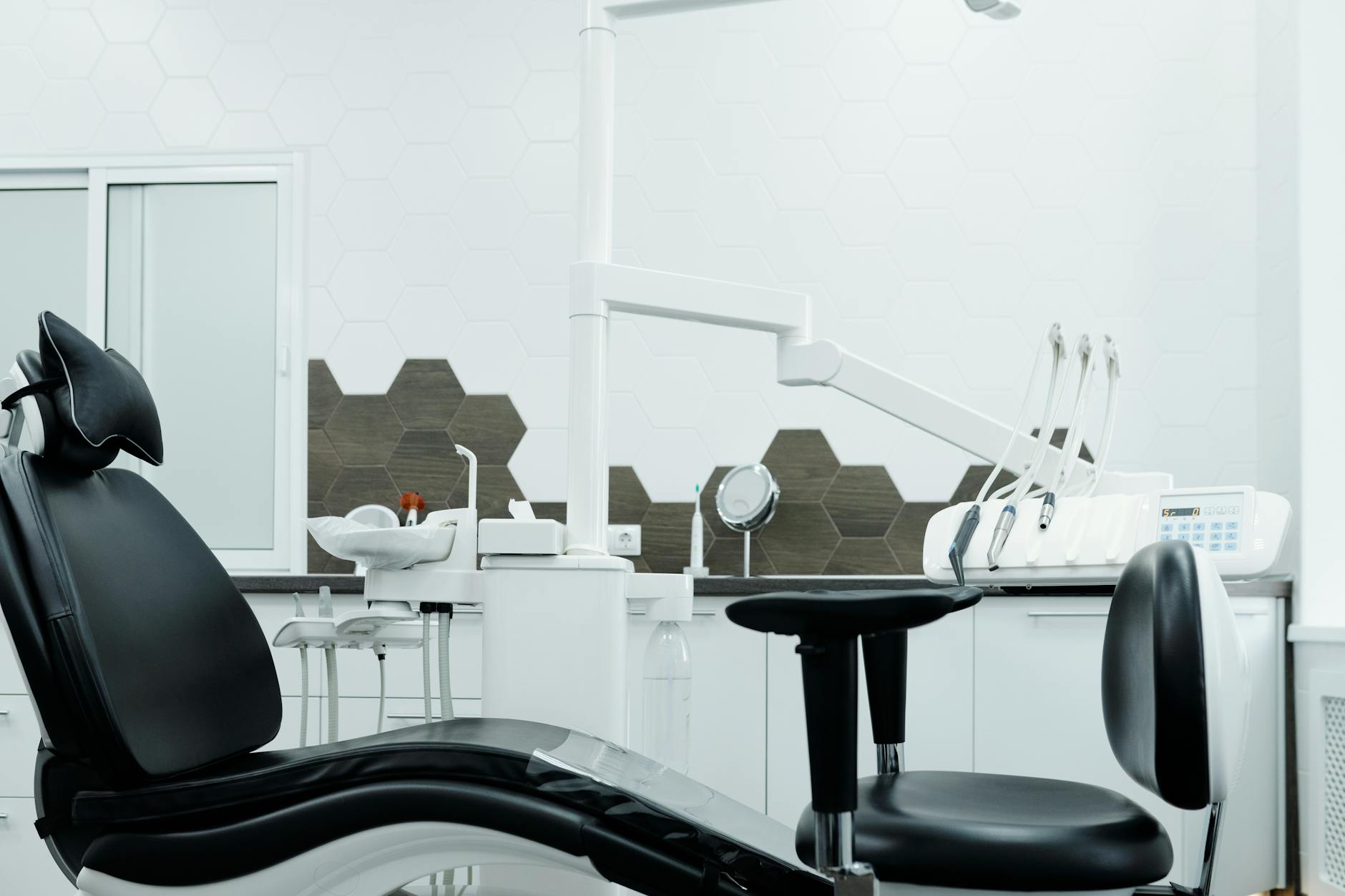
Nitrous Oxide (Laughing Gas)
This is often the first-line option for mild to moderate anxiety. Benefits include:
- Quick onset and recovery
- You remain conscious and can respond to instructions
- Effects wear off quickly after treatment
- Safe for most patients, including children
- Can be adjusted throughout the procedure
Oral Sedation
For moderate anxiety, oral sedation involves taking prescribed medication before your appointment:
- Usually taken 30-60 minutes before treatment
- Creates a deeply relaxed, drowsy feeling
- Most patients have little to no memory of the procedure
- Requires someone to drive you to and from the appointment
IV Sedation
For severe anxiety or complex procedures, intravenous sedation offers:
- The deepest level of conscious sedation
- Precise control over sedation levels
- Rapid adjustment if needed during treatment
- Requires specialized training and monitoring equipment
The Mayo Clinic emphasizes that all forms of sedation should be administered by properly trained professionals with appropriate monitoring equipment.
What comfort option fits how you feel about the dentist?
Three questions. No email needed.
Questions to Ask When Choosing a Dental Practice
Before scheduling your first appointment, consider asking potential dental offices these important questions:
About Their Approach to Anxious Patients
- “How do you typically handle patients with dental anxiety?”
- “Can you walk me through what my first visit would be like?”
- “Do you offer consultation visits without any treatment?”
- “How do you ensure patient comfort during procedures?”
About Sedation Options
- “What sedation options do you offer?”
- “Which option would you recommend for my level of anxiety?”
- “What are the costs associated with sedation?”
- “What safety protocols do you have in place?”
About the Practice and Staff
- “How long has the dentist been practicing?”
- “What additional training does your team have in anxiety management?”
- “Can I meet the dentist before scheduling treatment?”
- “What happens if I need to stop during a procedure?”
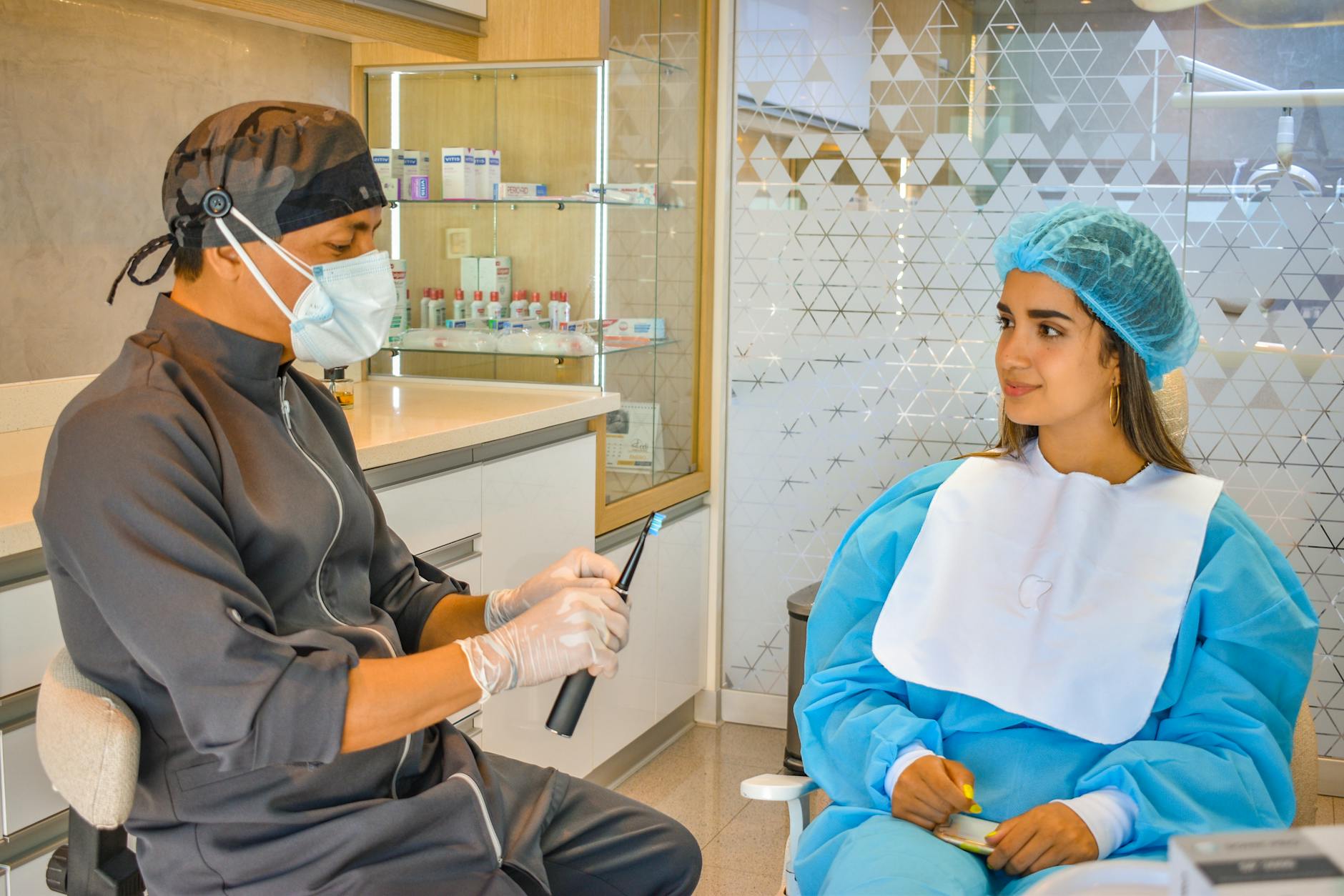
Want to know your comfort options first?
Talk to Our TeamPreparing for Your First Visit
Once you’ve found a practice that seems like a good fit, you can take steps to make your first visit as comfortable as possible:
Before Your Appointment
- Schedule wisely: Choose a time when you’re typically most relaxed
- Get plenty of rest: Being well-rested helps manage anxiety
- Eat appropriately: Have a light meal to avoid low blood sugar
- Arrive early: Give yourself time to settle in and complete paperwork
- Bring support: Many practices allow a friend or family member to accompany you
Communication Strategies
- Be honest about your anxiety level and specific fears
- Discuss your dental history, including past negative experiences
- Ask about establishing a signal system if you need to pause treatment
- Request detailed explanations of what will happen during your visit
Finding the Right Practice in the Kansas City Area
The greater Kansas City area, including Overland Park and Johnson County, offers numerous dental practices, but finding one that truly specializes in anxiety management makes all the difference. Look for practices that specifically mention comfort dentistry, sedation options, and experience with fearful patients.
Many practices in the area now offer comprehensive services that include both general and cosmetic dentistry, allowing you to build a long-term relationship with a single provider who understands your needs and anxiety triggers.

The Long-term Benefits of Overcoming Dental Anxiety
While taking the first step feels overwhelming, addressing your dental anxiety opens doors to:
- Better oral health: Regular cleanings and preventive care
- Improved overall health: Oral health connects to heart health and more
- Enhanced confidence: A healthy smile boosts self-esteem
- Pain prevention: Catching issues early prevents emergency situations
- Cost savings: Preventive care costs less than emergency treatments
Frequently Asked Questions
What if I haven’t been to the dentist in years?
Many patients avoid dental visits for extended periods due to anxiety. A compassionate dental team will never judge you for this. They’ll focus on your current oral health status and create a gentle treatment plan that addresses your most pressing needs first.
Will sedation dentistry make me unconscious?
Put off the dentist because of nerves?
You Are Not AloneMost forms of dental sedation keep you conscious but deeply relaxed. You’ll be able to respond to instructions and breathe on your own. Only general anesthesia, which is rarely used in routine dentistry, renders you unconscious.
How much does sedation dentistry cost?

Costs vary depending on the type of sedation used. Nitrous oxide is typically the most affordable option, while IV sedation costs more due to the specialized equipment and monitoring required. Many practices offer payment plans to make sedation dentistry accessible.
Can I drive myself home after sedation?
With nitrous oxide, you can typically drive yourself home since the effects wear off quickly. However, oral and IV sedation require someone else to drive you home as the effects can last several hours.
What if I panic during treatment even with sedation?
Experienced sedation dentists are trained to handle anxiety responses. They can adjust medication levels, provide additional comfort measures, or pause treatment as needed. The key is communicating your concerns beforehand so they can prepare appropriately.
Are there any risks associated with dental sedation?
When administered by trained professionals with proper monitoring equipment, dental sedation is very safe. However, like any medical procedure, there are some risks, which is why it’s important to choose a practice with extensive sedation experience and proper safety protocols.

Remember, your dental anxiety doesn’t have to control your oral health any longer. With the right approach, sedation options, and a compassionate dental team, you can finally receive the care you need in a comfortable, stress-free environment. The first step is reaching out to discuss your concerns and explore your options.
Taking control of your oral health starts with finding a dental practice that understands your fears and has the tools and expertise to help you overcome them. Don’t let another day pass living with dental anxiety or putting off necessary care.
Nervous patients are our specialty, not our exception.
Tell us what you are worried about and we will work around it, from numbing that actually works to sedation options. No lectures about the time you stayed away.
Conscious sedation available. We go at the pace you are comfortable with.
Want answers like this at the top of your search results?
Add Love To Smile as a Preferred Source on GoogleRequest an appointment
We would love to hear from you. Send us a message and our team will reach out to get you scheduled.