


What Is Mouth Taping and Why Is It Trending?
Mouth taping involves placing a piece of medical tape across your lips before sleep to encourage nasal breathing throughout the night. Proponents claim it can reduce snoring, improve sleep quality, prevent dry mouth, and even enhance facial development. The trend has exploded on social media platforms, with everyone from wellness influencers to biohackers sharing their mouth taping journeys.
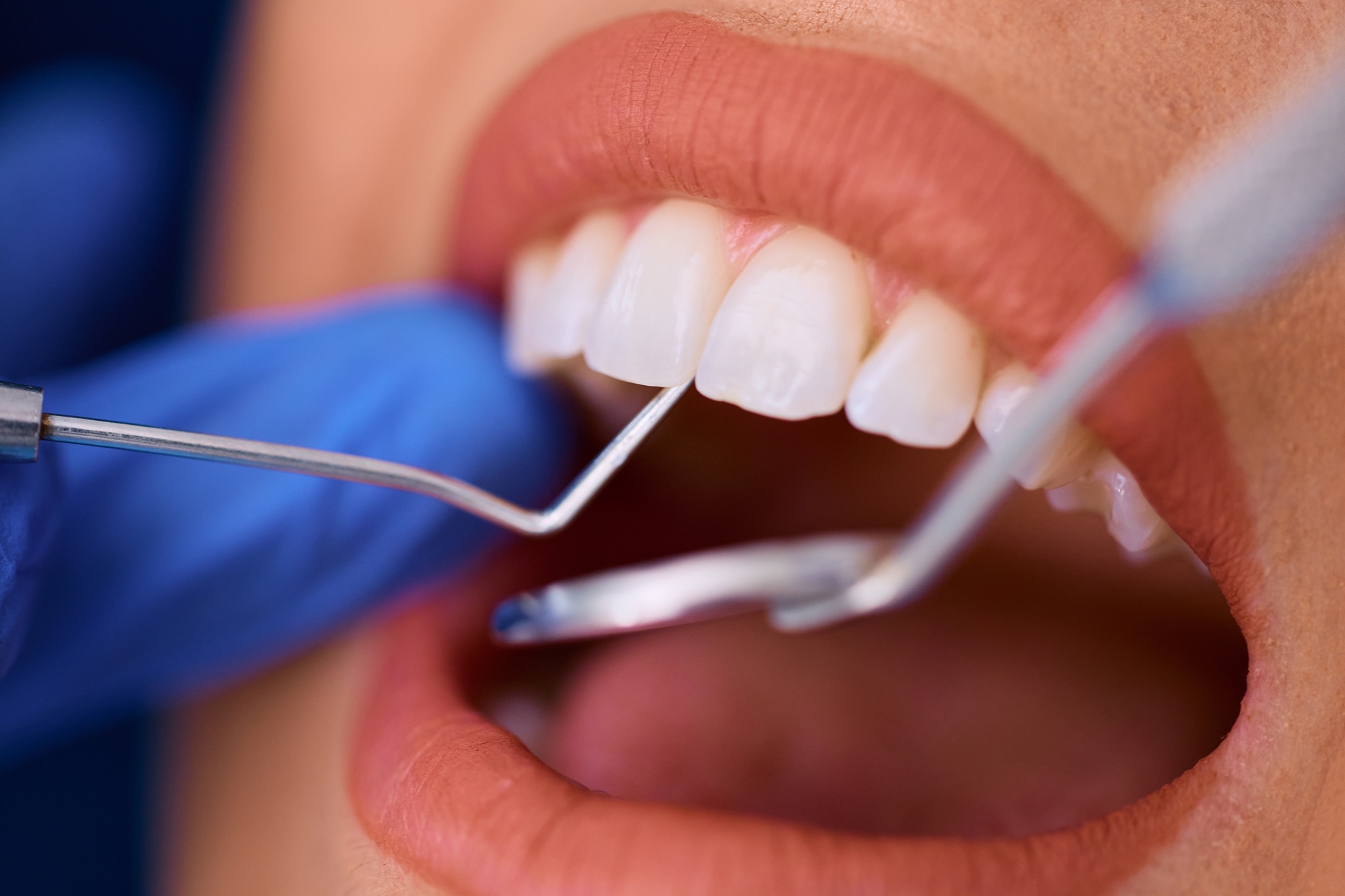
The practice stems from the concept that nasal breathing is superior to mouth breathing during sleep. When we breathe through our nose, the air is filtered, humidified, and warmed before reaching our lungs. Additionally, nasal breathing helps maintain proper tongue posture and can reduce the likelihood of sleep disruptions.
The Science Behind Nasal vs. Mouth Breathing
Benefits of Nasal Breathing
Research published by the American Dental Association supports the importance of nasal breathing for oral health. When you breathe through your nose during sleep, several beneficial processes occur:
- Saliva Production Maintenance: Nasal breathing helps maintain adequate saliva flow, which is crucial for neutralizing harmful bacteria and preventing tooth decay
- Proper Tongue Positioning: The tongue naturally rests against the roof of the mouth, supporting proper oral posture and potentially improving airway function
- Reduced Dry Mouth: Mouth breathing can lead to xerostomia (dry mouth), increasing the risk of cavities, gum disease, and bad breath
- Better Sleep Quality: Nasal breathing can improve oxygen saturation and reduce sleep disruptions
The Problems with Chronic Mouth Breathing
Chronic mouth breathing, especially during sleep, can lead to several oral health complications. According to the Mayo Clinic, mouth breathing can cause:
- Increased risk of dental decay due to reduced saliva production
- Gum inflammation and periodontal disease
- Bad breath (halitosis)
- Changes in facial development in children
- Sleep quality issues and potential sleep apnea complications

Is Mouth Taping Actually Safe?
Potential Risks and Concerns
While the concept of promoting nasal breathing has merit, mouth taping isn’t without risks. As a dental professional, I’ve seen several concerning aspects of this trend:
Waking up tired or sore in the jaw?
Talk to Our TeamThe most serious concern is for individuals with undiagnosed sleep apnea. If someone has obstructive sleep apnea and their nasal passages become blocked during sleep, mouth taping could potentially restrict their ability to breathe adequately. This could lead to dangerous drops in oxygen levels.
People with chronic nasal congestion, deviated septums, or seasonal allergies may struggle to breathe adequately through their nose alone. Forcing nasal-only breathing in these cases could lead to sleep disruption and inadequate oxygenation.
Regular use of tape on the delicate skin around the mouth can cause irritation, allergic reactions, or even contact dermatitis. Some individuals may develop sensitivity to the adhesive over time.
Who Should Avoid Mouth Taping?
Certain individuals should definitely avoid mouth taping without medical supervision:
- People with known or suspected sleep apnea
- Individuals with severe nasal congestion or breathing difficulties
- Those with respiratory conditions like asthma or COPD
- People taking sedating medications or alcohol
- Children under professional guidance
- Individuals with facial injuries or recent dental work
Is your jaw behind those headaches?
Three questions. No email needed.
Professional Alternatives to DIY Mouth Taping
Addressing the Root Cause
Rather than simply taping your mouth shut, it’s more beneficial to address why you might be mouth breathing in the first place. At Love to Smile, we often see patients whose mouth breathing stems from:
Not Recommended
If you have sleep apnea or nasal obstruction, mouth taping can be dangerous. Consult your doctor first. Dr. Pedersen can also evaluate your oral airway.
Maybe, With Caution
Your results are mixed. Mouth taping is low-risk for most people to try, but if nasal breathing is a struggle, address that first. Mention it at your next visit.

Could Be Worth Trying
You may be a reasonable candidate. Mouth taping encourages nasal breathing, which benefits oral health. Try purpose-made tape (not hardware store tape) for a few nights.
- Enlarged tonsils or adenoids
- Chronic nasal congestion
- Deviated nasal septum
- Tongue tie or other oral restrictions
- Sleep-disordered breathing
Professional Treatment Options
If you're considering mouth taping due to snoring or sleep quality issues, the first step should be a proper sleep evaluation. We can help connect you with sleep specialists in the Overland Park and Johnson County area who can determine if you have sleep-disordered breathing.
Cannot tolerate your CPAP?
Ask About AlternativesFor patients with mild to moderate sleep apnea or snoring issues, custom oral appliances can be highly effective. These devices reposition the jaw and tongue to maintain an open airway during sleep, often eliminating the need for mouth breathing.
This specialized therapy focuses on retraining the muscles of the face and mouth to promote proper breathing patterns and tongue posture. It's particularly effective for breaking habitual mouth breathing patterns.

Safe Ways to Encourage Nasal Breathing
Natural Approaches
If you want to promote nasal breathing without the risks of mouth taping, consider these safer alternatives:
Book an Appointment →Nasal Strips: These can help open nasal passages and improve airflowHumidifiers: Keeping bedroom air moist can reduce nasal congestionElevation: Sleeping with your head slightly elevated can improve nasal drainageAllergy Management: Addressing underlying allergies can significantly improve nasal breathingBreathing Exercises: Practicing nasal breathing during waking hours can help establish the patternWhen to Consider Professional Mouth TapingIf you're determined to try mouth taping, it should only be done under professional guidance and after ruling out sleep apnea. Some sleep specialists do recommend mouth taping for select patients, but only after comprehensive evaluation and with proper monitoring.
What This Means for Your Oral Health
The popularity of mouth taping highlights an important truth: breathing patterns significantly impact oral health. Whether or not you choose to tape your mouth, focusing on nasal breathing can provide real benefits for your teeth and gums.
Sleep and jaw problems are treatable.
From custom night guards to CPAP alternatives, there are options that are easier to live with. Come in and we will talk through what fits your situation.
Custom appliances made and fitted in house.
Want answers like this at the top of your search results?
Add Love To Smile as a Preferred Source on GoogleRequest an appointment
We would love to hear from you. Send us a message and our team will reach out to get you scheduled.