

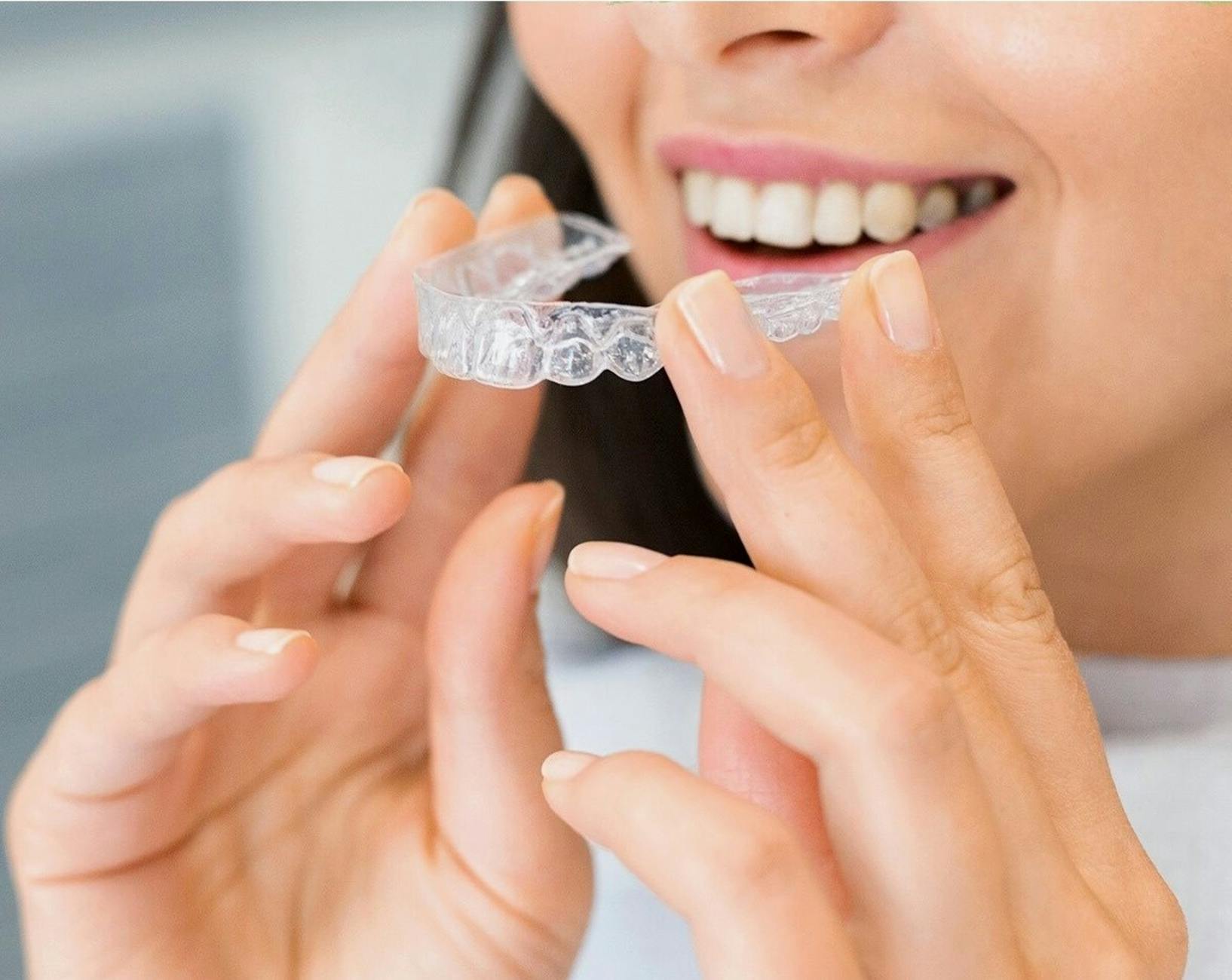
As both treatments can effectively straighten teeth and correct bite issues, understanding the nuances of each option becomes crucial for making an informed choice that aligns with your family’s lifestyle, budget, and your child’s specific needs.
Understanding Your Orthodontic Options
The world of orthodontics offers two primary pathways to achieving a beautiful, healthy smile. Traditional metal braces have served as the gold standard for decades, utilizing brackets, wires, and bands to gradually move teeth into proper alignment. Meanwhile, Invisalign has revolutionized the field with its virtually invisible clear aligners that offer a more aesthetic approach to teeth straightening.

Both treatments address similar orthodontic concerns including crowded teeth, gaps, overbites, underbites, and crossbites. However, the path to achieving these results differs significantly between the two approaches, affecting everything from treatment duration to daily maintenance requirements.
Traditional Braces: The Tried and True Method
How Metal Braces Work
Traditional braces consist of metal brackets bonded to each tooth, connected by archwires that apply continuous pressure to guide teeth into their desired positions. The system includes elastic bands and other components that your orthodontist adjusts during regular appointments, typically every 4-6 weeks.
Advantages of Traditional Braces
Metal braces excel in treating complex orthodontic cases that require precise control over tooth movement. They work continuously, making them particularly effective for severe crowding, significant bite corrections, and cases involving tooth rotation. The treatment remains entirely under professional control, eliminating concerns about patient compliance.
From a cost perspective, traditional braces often present the most affordable option for comprehensive orthodontic treatment. Many insurance plans provide better coverage for conventional braces compared to clear aligner systems.
Potential Drawbacks
The most obvious concern for many families involves aesthetics. Metal braces remain highly visible, which can impact a child’s self-confidence during crucial social development years. Additionally, braces require significant dietary modifications, as sticky, hard, or chewy foods can damage the appliance.
Wondering how long straightening would take for you?
Get Your TimelineOral hygiene becomes more challenging with braces, requiring specialized tools and techniques to clean around brackets and wires effectively. Sports participation may also require additional protective measures to prevent injury.
Invisalign: The Clear Alternative
The Science Behind Clear Aligners
Invisalign treatment begins with digital impressions and 3D modeling to create a precise treatment plan. Custom-made clear aligners apply controlled forces to move teeth gradually, with each set worn for approximately one to two weeks before progressing to the next stage in the sequence.
Benefits of Invisalign Treatment
The aesthetic advantage of Invisalign cannot be overstated. The clear aligners remain virtually invisible, allowing children and teenagers to maintain confidence throughout their treatment journey. This psychological benefit often translates to better cooperation and enthusiasm for the orthodontic process.

Invisalign aligners are removable, allowing normal eating habits without dietary restrictions. This feature also simplifies oral hygiene routines, as patients can brush and floss normally after removing the aligners. The smooth plastic material eliminates the discomfort often associated with metal brackets and wires.
For active families in the Kansas City metro area, Invisalign offers particular advantages for sports participation, as the aligners can be removed during activities or provide a protective buffer for the teeth when worn.
Invisalign Considerations
Success with Invisalign depends heavily on patient compliance. Aligners must be worn 20-22 hours daily to achieve optimal results, requiring discipline and commitment from young patients. Some complex cases may still require traditional braces for the most predictable outcomes.
The treatment cost for Invisalign typically runs higher than traditional braces, though many families find the benefits justify the additional investment.
Age and Maturity Considerations
Invisalign for Younger Patients
Invisalign has expanded its offerings to include treatment options for younger patients, including Invisalign First for children with mixed dentition. However, the success of clear aligner treatment in younger patients depends significantly on their ability to consistently wear and care for the aligners.
Parents should honestly assess their child’s maturity level, responsibility with personal belongings, and commitment to following treatment protocols. Children who frequently lose items or struggle with routine compliance may benefit more from fixed appliances.
Teenage Treatment Options
Curious what your teeth could look like after?
Book a ScanTeenagers often represent ideal candidates for Invisalign treatment, as they typically possess the maturity needed for proper compliance while still caring deeply about their appearance. The social benefits of invisible treatment can be particularly meaningful during high school years when peer acceptance and self-image are paramount.
Treatment Duration and Effectiveness
Timeline Comparisons
Treatment duration varies significantly based on case complexity rather than the chosen method. Simple cases may resolve in 12-18 months with either approach, while complex corrections might require 24-36 months regardless of the treatment modality.
Invisalign treatment timelines have improved dramatically with advances in aligner technology and treatment protocols. Many cases now achieve results comparable to traditional braces in similar timeframes.

Long-term Results
Both treatment methods can achieve excellent long-term results when properly planned and executed. The key to lasting success lies in retention protocols, which typically involve wearing retainers after active treatment concludes.
Studies published in the American Dental Association journals demonstrate that both Invisalign and traditional braces can effectively treat most orthodontic conditions when applied appropriately.
Cost Analysis for Overland Park Families
Financial Investment Considerations
Orthodontic treatment represents a significant financial investment for most families. Traditional braces typically range from $3,000 to $7,000, while Invisalign treatment generally costs between $4,000 and $8,000, depending on case complexity and treatment duration.
Many families find value in considering the total cost of treatment, including time off work for appointments, emergency visits for broken braces, and the potential impact on the child’s confidence and social development.
Insurance and Payment Options
Most dental insurance plans provide orthodontic benefits that apply equally to both treatment options, though some policies may have specific limitations on clear aligner coverage. Many orthodontic practices offer flexible payment plans to make treatment more accessible for families.
Making the Right Choice for Your Family
Professional Evaluation
The decision between Invisalign and braces should always begin with a comprehensive orthodontic evaluation. Dr. Esther Pedersen, a Diamond Invisalign provider with an MAGD designation, can assess your child’s specific needs and provide personalized recommendations based on their orthodontic condition, lifestyle, and maturity level.
Ready to stop hiding your smile?
Talk to Our TeamA thorough examination will reveal whether your child’s case falls within the parameters effectively treated by clear aligners or requires the precise control offered by traditional braces.
Lifestyle Factors
Consider your family’s lifestyle when making this decision. Frequent travelers may appreciate the convenience of Invisalign’s fewer appointment requirements, while families with busy schedules might prefer the “set it and forget it” nature of traditional braces.
Athletic participation, musical instrument playing, and social considerations all play roles in determining the most suitable treatment approach for your child.
The Love to Smile Advantage
Families in Overland Park, Johnson County, and throughout the Kansas City metro area benefit from having access to comprehensive orthodontic services at Love to Smile. Dr. Pedersen’s extensive experience and Diamond Invisalign provider status ensure that patients receive the highest quality care regardless of which treatment option they choose.
The practice’s commitment to family-centered care means that treatment decisions are made collaboratively, with input from both parents and patients to ensure the chosen approach aligns with everyone’s expectations and goals.
Frequently Asked Questions
How do I know if my child is responsible enough for Invisalign?
Consider your child’s track record with retainers, mouthguards, or other removable dental appliances. Children who consistently care for these items and follow instructions are typically good candidates for Invisalign treatment.
Can Invisalign treat all the same conditions as braces?
Invisalign can effectively treat most orthodontic conditions, including crowding, spacing, and various bite issues. However, some complex cases involving significant tooth rotation or vertical movement may still require traditional braces for optimal results.
What happens if my child loses their Invisalign aligners?
Replacement aligners can be ordered, though this may extend treatment time and incur additional costs. Most providers recommend having backup aligners available and maintaining good organization habits to prevent loss.
Are there foods my child can’t eat with Invisalign?
One of Invisalign’s major advantages is that there are no food restrictions since aligners are removed during meals. However, aligners should only be removed for eating, drinking anything other than water, and oral hygiene.
How often will my child need orthodontic appointments?
Traditional braces typically require appointments every 4-6 weeks for adjustments. Invisalign appointments are generally less frequent, occurring every 6-8 weeks to monitor progress and receive new aligners.
Can my child play sports with braces or Invisalign?
Both options allow for sports participation. Traditional braces may require a protective mouthguard, while Invisalign aligners can be removed during contact sports or provide some protection when worn during activities.
See your straighter smile before you commit.
We scan your teeth and show you the projected result before you start. You get a clear plan and timeline, with no pressure to decide on the spot.
Diamond Provider of Invisalign, the top tier awarded to the most experienced providers.
Request an appointment
We would love to hear from you. Send us a message and our team will reach out to get you scheduled.