

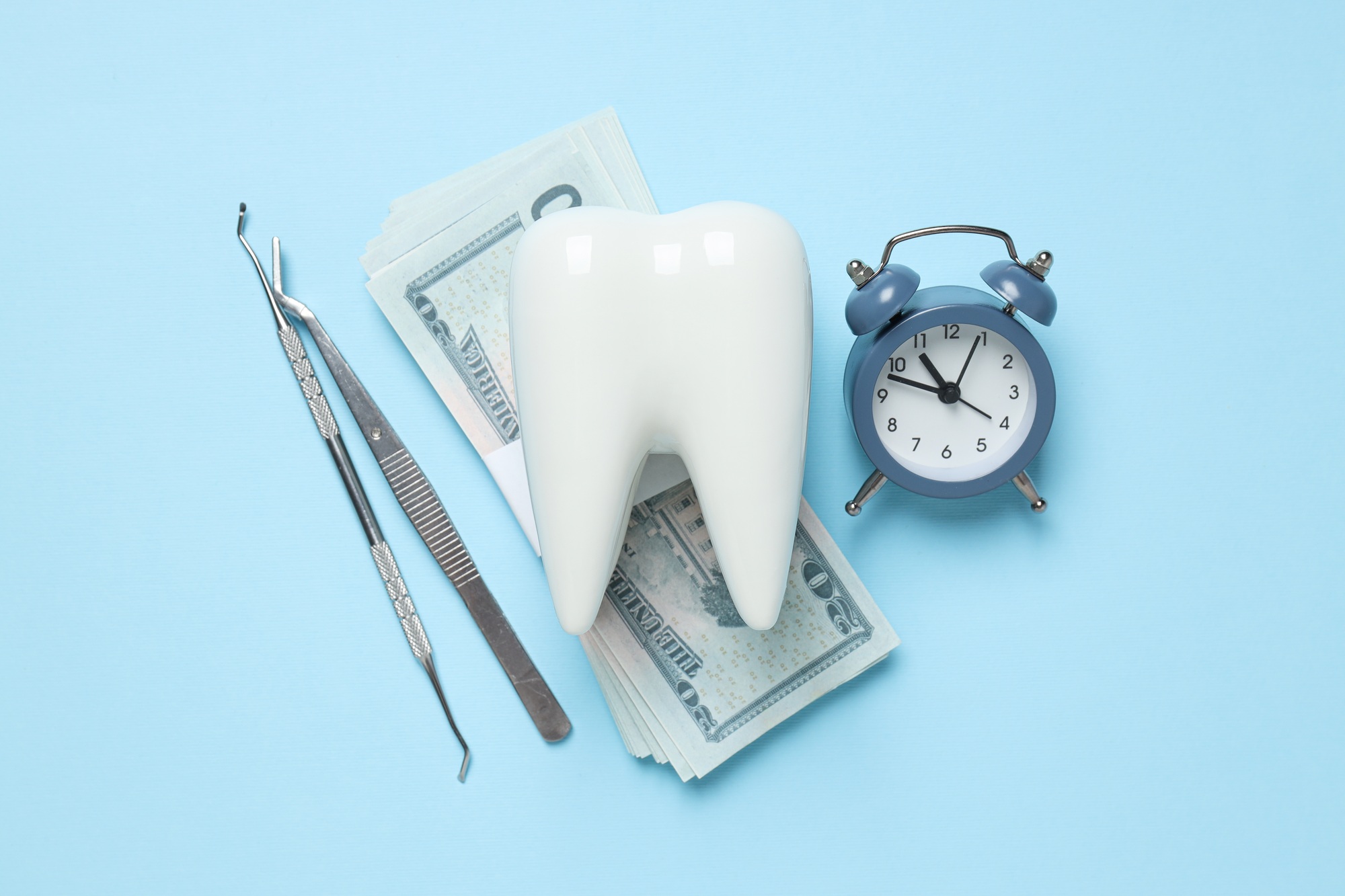
What a dental crown costs depends on three things
In Overland Park, the cost of a dental crown reflects the material, the complexity of the case, and whether it’s anterior (front) or posterior (back). We give you a written estimate at your free consultation.
Lower end: Standard porcelain-fused-to-metal (PFM) crowns on posterior teeth.
Middle of the range: All-ceramic or zirconia crowns on most teeth.
Higher end: Premium materials, anterior aesthetics, or complex cases.
Crown material affects price and longevity
Porcelain-fused-to-metal (PFM): Most common. Strong, looks natural. Sometimes shows a thin metal line at the gum over time. 10–15 years.
All-ceramic / E-max: Most natural-looking. Excellent for front teeth. Slightly less strong than PFM. 10–15 years.
Zirconia: Extremely strong. Good for back teeth and patients who clench/grind. Less translucent than E-max. 15–20+ years.
Gold: Longest-lasting. Highly biocompatible. Aesthetically obvious. 20–30+ years.
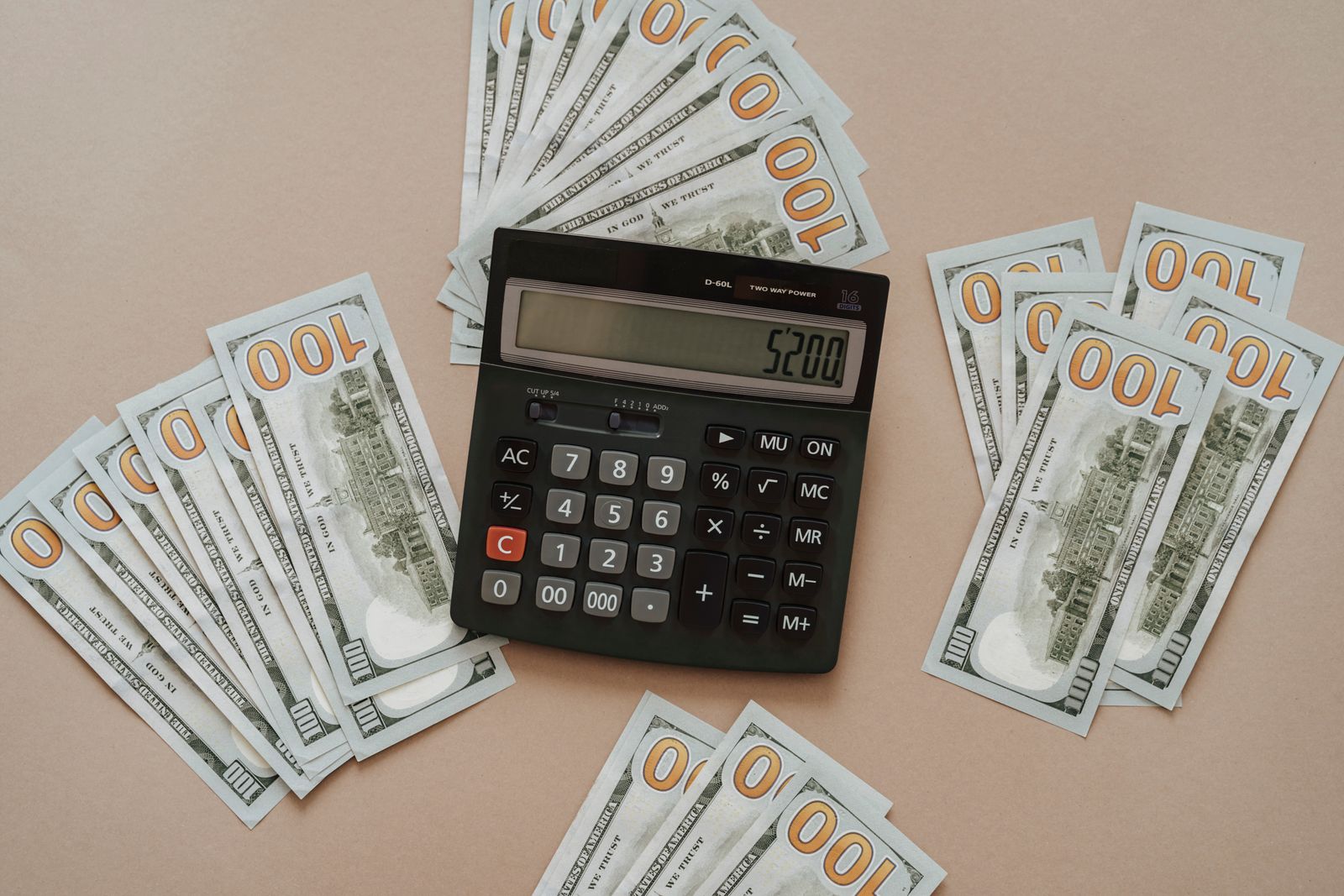
Insurance typically covers 50%
Most PPO plans classify crowns as major restorative at 50% coverage. So insurance typically pays about half of the cost of a crown, assuming you haven’t hit your annual max.
Strategic timing: if you need multiple crowns, splitting them between December and January maximizes two calendar-year benefits.
What will your dental care actually cost you?
Three questions. No email needed.
Why quotes vary so much from office to office
Low-end quotes: Often imported lab work, sometimes corners cut on shade matching or precision fit. May not last as long.
Middle of the range: Standard quality, US or premium international labs, well-fitting, properly designed bite.
High-end quotes: Premium materials, premium lab work, cosmetic-grade anterior aesthetics, sometimes additional consultation/design time.
At Love To Smile we use premium labs but keep pricing in the standard middle range.
Same-day crowns are possible, but not always better
Some offices offer same-day CEREC crowns. The upside is convenience. The downside is that same-day crowns are milled from a block of ceramic at the office, which may not match the artistic shade variation of lab-made crowns.
For posterior teeth where aesthetics are less critical, same-day crowns are great. For anterior aesthetics, traditional lab crowns usually look better.
Overdue for a cleaning?
Book Your Visit
Financing options
0% in-house financing for qualified patients over 12–24 months.
CareCredit for 12–60 month financing at competitive rates.
Smile Club discounts for members, saves 15–20% on crowns.
FSA / HSA dollars can be applied to crowns and save another 22–37% in tax-equivalent dollars.
Related reading
Frequently Asked Questions
How long do dental crowns last?
Typical crowns last 10–20 years depending on material and care. Zirconia and gold last longest (15–30 years). PFM and E-max typically 10–15 years.
Will my insurance cover a crown?
Most PPO plans cover crowns at 50% as major restorative procedures, subject to your annual maximum. We verify benefits before treatment and provide written estimates.
Can I avoid getting a crown?
Sometimes, for small cavities or fractures, fillings or onlays may be sufficient. For large fractures, decay, or root-canaled teeth, crowns are usually the right long-term call.
How long does it take to get a crown?

Traditional crowns: 2 visits over 2–3 weeks (prep + temporary, then final placement). Same-day CEREC crowns: single 2-hour visit.
Written by the team at Love To Smile Complete Family & Implant Dentistry, Overland Park, KS & Peculiar, MO. Last updated 2026.
Get ahead of the small stuff.
Routine visits catch problems while they are still cheap and simple to fix. We will give you a straight assessment and never sell you work you do not need.
New patients welcome in Overland Park, KS and Peculiar, MO.
Want answers like this at the top of your search results?
Add Love To Smile as a Preferred Source on GoogleRequest an appointment
We would love to hear from you. Send us a message and our team will reach out to get you scheduled.