


You went in for a regular cleaning. You came out with a treatment plan for something called scaling and root planing, quoted per quadrant, costing several times what you expected, possibly with numbing involved.
The suspicion that follows is reasonable, and you are not the first person to have it. So here is a straight answer, including how to check the recommendation yourself.
What a deep cleaning actually is
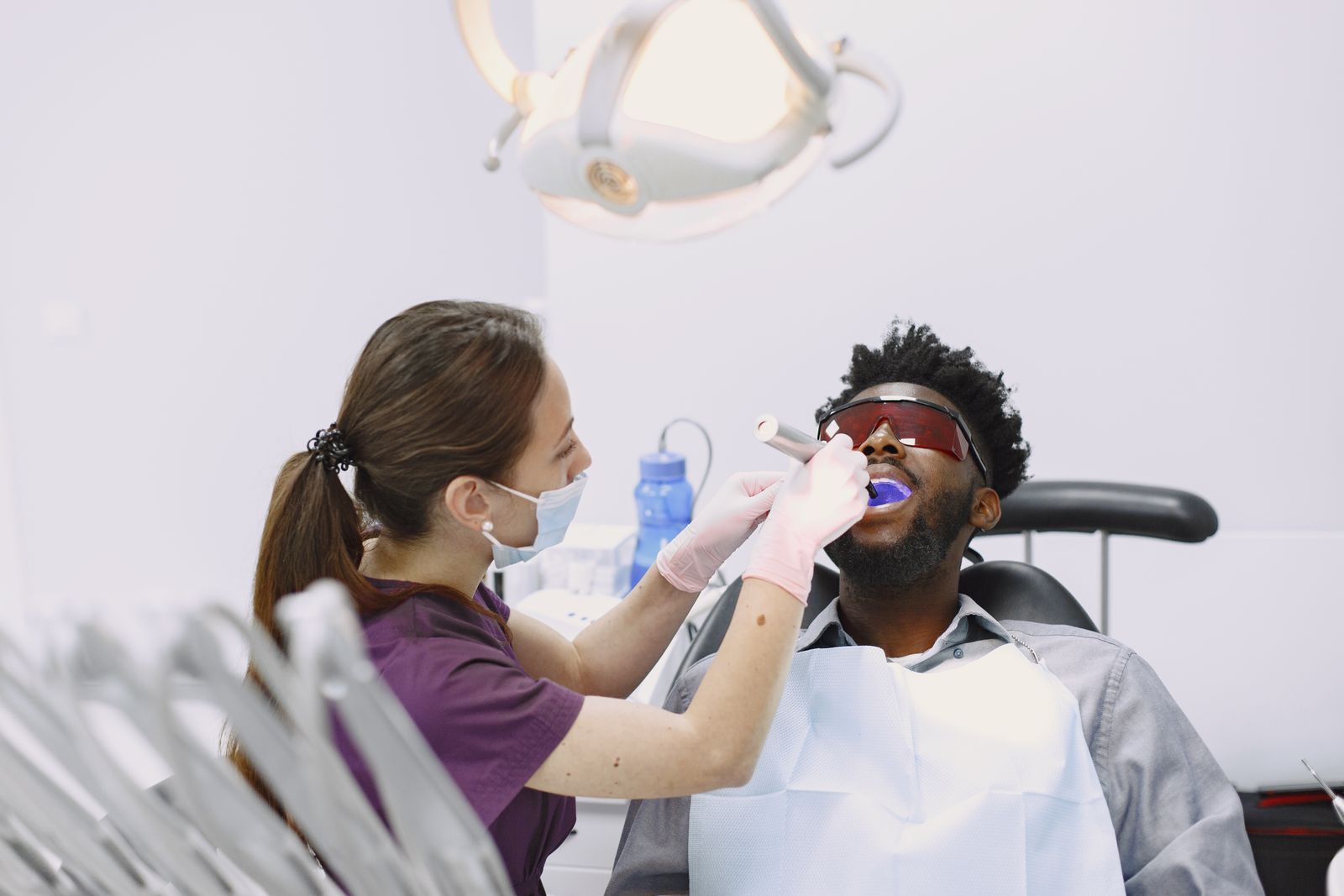
A regular cleaning, a prophylaxis, cleans the crowns of the teeth and just under the gumline. It is a preventive procedure for a healthy mouth.
Scaling and root planing goes below the gumline, down the root surface, into the pocket that has formed between the gum and the tooth. It removes hardened deposits from the root and smooths the surface so tissue can reattach. Because it works below the gum, it usually needs local anesthetic, and it is generally done in halves or quarters.
They are genuinely different procedures for genuinely different conditions. One is prevention. The other is treatment for an existing disease.
The number that decides it
Here is the part that turns this from a matter of trust into a matter of evidence.
The gum forms a shallow cuff around each tooth. A hygienist measures the depth of that cuff at six points per tooth with a small calibrated probe. Those are the numbers you hear called out during an exam, and they are the basis of the entire decision.
One to three millimeters is healthy and cleanable at home. Four millimeters is borderline, a warning zone, often reversible with better cleaning. Five millimeters and above cannot be cleaned by you at home, because no toothbrush or floss reaches that deep, and it is where scaling and root planing is genuinely indicated.
Depth alone is not the whole picture. What matters is depth plus bleeding on probing plus visible bone loss on x rays. Deep pockets with active bleeding and radiographic bone loss is periodontitis, and it needs treatment.
How to check the recommendation
Ask these questions. All of them are ordinary and any good office will answer without hesitation.
What were my pocket depths? Ask for the actual chart. You are entitled to a copy.
How many sites measured five millimeters or more, and where? A handful of deep spots around a few back teeth is a different situation from generalized deep pockets throughout.
Did those sites bleed on probing? Depth without inflammation may be stable and may not need treatment.
Can you show me the bone loss on the x ray? Periodontitis is visible radiographically. Ask to see it on the screen.
What changed since last time? If you were healthy six months ago and are now being told you need all four quadrants treated, that is a fair question.
If the answers are specific and the numbers are there, the recommendation is almost certainly sound. If the answers are vague, or nobody can produce a chart, get a second opinion and take your records with you.
Told you need a deep cleaning and unsure?
Ask Us to LookWhen it is over recommended
It happens, and pretending otherwise does not help anyone.
The pattern to watch for is a whole mouth diagnosed at once with mostly four millimeter readings, no bleeding, no bone loss on the x rays, and a plan for all four quadrants presented the same day. Four millimeter pockets that bleed can often be reversed with better home care and a thorough regular cleaning, then remeasured in a few months. That is a legitimate middle path, and it should be offered where it applies.
Also fair to question: being told you need it at every practice you visit but never being shown a number, or being told a routine cleaning is not available to you at all.
How well is your daily routine actually protecting you?
Three questions. No email needed.

When it is genuinely needed and delaying is the mistake
The opposite error is more common and more costly, and it is worth being blunt about.
Periodontitis does not hurt. That is the whole problem with it. There is no pain to prompt action, so people decline treatment, feel fine, and conclude they were right. Meanwhile the bone continues to recede, silently, over years.
Bone that has been lost does not grow back. Treatment stops the process and preserves what remains, but it cannot restore what has gone. Declining a genuinely indicated deep cleaning is not saving money. It is trading bone for money, and eventually teeth for money, and replacing teeth costs vastly more than treating gums.
If you have five millimeter pockets that bleed and visible bone loss, that is real, and delaying it has a price that is not on the estimate.
What the appointment is actually like
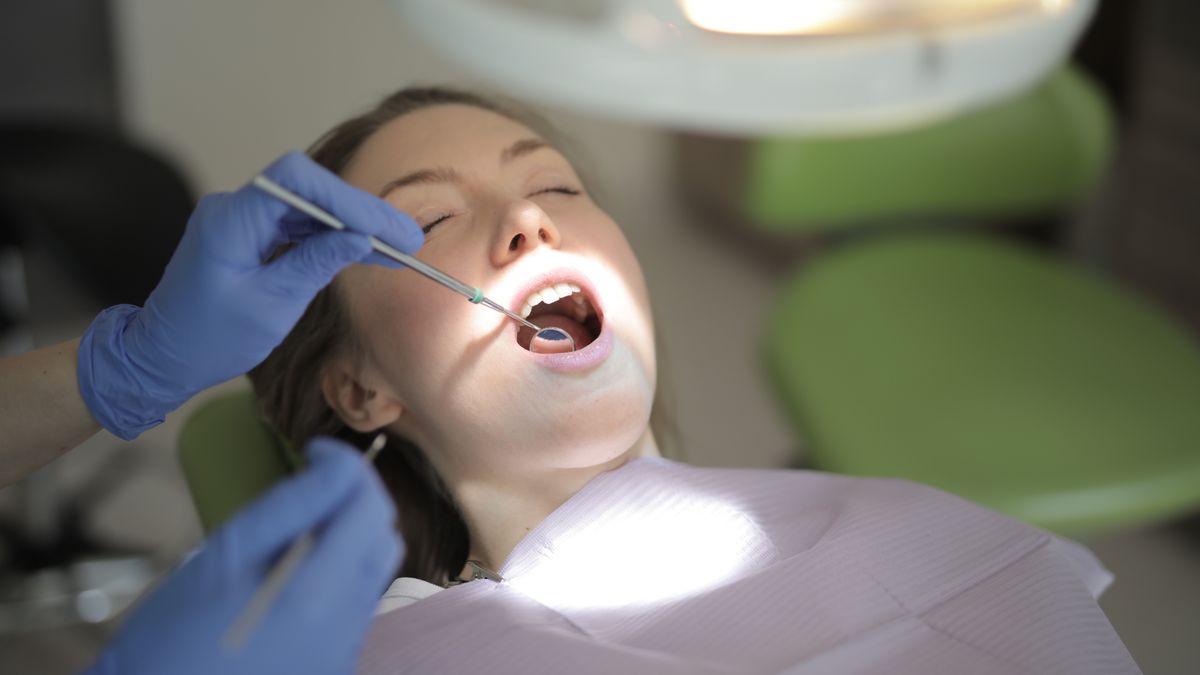
You will be numbed, so it should not hurt. It is normally split across two visits, treating half the mouth each time. Expect a few days of tenderness and some sensitivity to cold afterward, which fades.
Gums that were swollen will shrink slightly as the inflammation resolves, so some people notice teeth looking marginally longer or new gaps appearing. That is the inflammation leaving rather than damage occurring, though it is worth knowing in advance.
Roughly six weeks later you should be remeasured. That reassessment is the part people skip and it is the part that proves whether it worked. Ask whether it is included.
The part nobody mentions until after
Once you have had scaling and root planing, you generally move to periodontal maintenance rather than back to regular cleanings, often every three or four months instead of six. This is not an upsell. Periodontitis is a chronic condition, the bacteria repopulate the pockets in about twelve weeks, and the shorter interval is what keeps it stable.
Insurance usually treats maintenance differently from a standard cleaning, so ask about the ongoing coverage before you start, not after. If you are uninsured, compare it against a membership plan like Smile Club, and our payment options page covers the rest.
The short version
Ask for your pocket depths, ask how many sites are five millimeters or deeper, ask whether they bled, and ask to see bone loss on the x ray. Generalized fours with no bleeding and no bone loss deserves a conversation about improving home care first and remeasuring. Fives and sixes with bleeding and visible bone loss is real disease, and treating it is the cheaper path.
If you want someone to look at an existing plan, bring it in. We are happy to be the second opinion and to walk through the numbers with you at our Overland Park office. If the first recommendation was right, we will tell you that too.
Common questions
How do I know if I really need a deep cleaning?

It comes down to pocket depths measured at six points per tooth, whether those sites bleed when probed, and whether bone loss is visible on x rays. Pockets of five millimeters or more with bleeding and radiographic bone loss genuinely indicate scaling and root planing. Ask to see the numbers and the x ray.
What is the difference between a regular cleaning and a deep cleaning?
A regular cleaning is preventive and cleans the tooth crowns and just below the gumline. Scaling and root planing is a treatment that goes down the root surface into pockets that have formed, usually with local anesthetic and often split across two appointments.
Can I refuse a deep cleaning and just get a regular cleaning?
You can decline, but if you genuinely have periodontitis, a regular cleaning does not reach the deposits causing the problem and the bone loss continues silently. If your pockets are mostly four millimeters without bleeding or bone loss, asking to improve home care and be remeasured in a few months is a reasonable middle path.
Does a deep cleaning hurt?
You are numbed for the procedure, so it should not hurt at the time. Expect some tenderness for a few days and cold sensitivity for a couple of weeks afterward as the gums heal and tighten around the teeth.
Why do I need cleanings every three months after a deep cleaning?
Periodontitis is a chronic condition and the bacteria repopulate the pockets in roughly twelve weeks. Periodontal maintenance at three to four month intervals keeps the disease stable. It is a different procedure from a routine cleaning and insurance often covers it differently, so ask before starting treatment.
You are entitled to see the evidence.
Bring your chart and your x rays. We will go through the pocket depths with you and tell you honestly whether the recommendation holds up.
Second opinions welcome. We will show you the numbers.
Want answers like this at the top of your search results?
Add Love To Smile as a Preferred Source on GoogleRequest an appointment
We would love to hear from you. Send us a message and our team will reach out to get you scheduled.