

Someone looked at a tooth, said it needs a crown, and quoted you a number you were not ready for. Now you are trying to work out whether that was a real recommendation or an upsell, and how long you can leave it.
Fair questions. Here is what a crown is actually doing, when the wait is low risk, and when waiting turns a crown into a root canal or an extraction.
What a crown is actually for
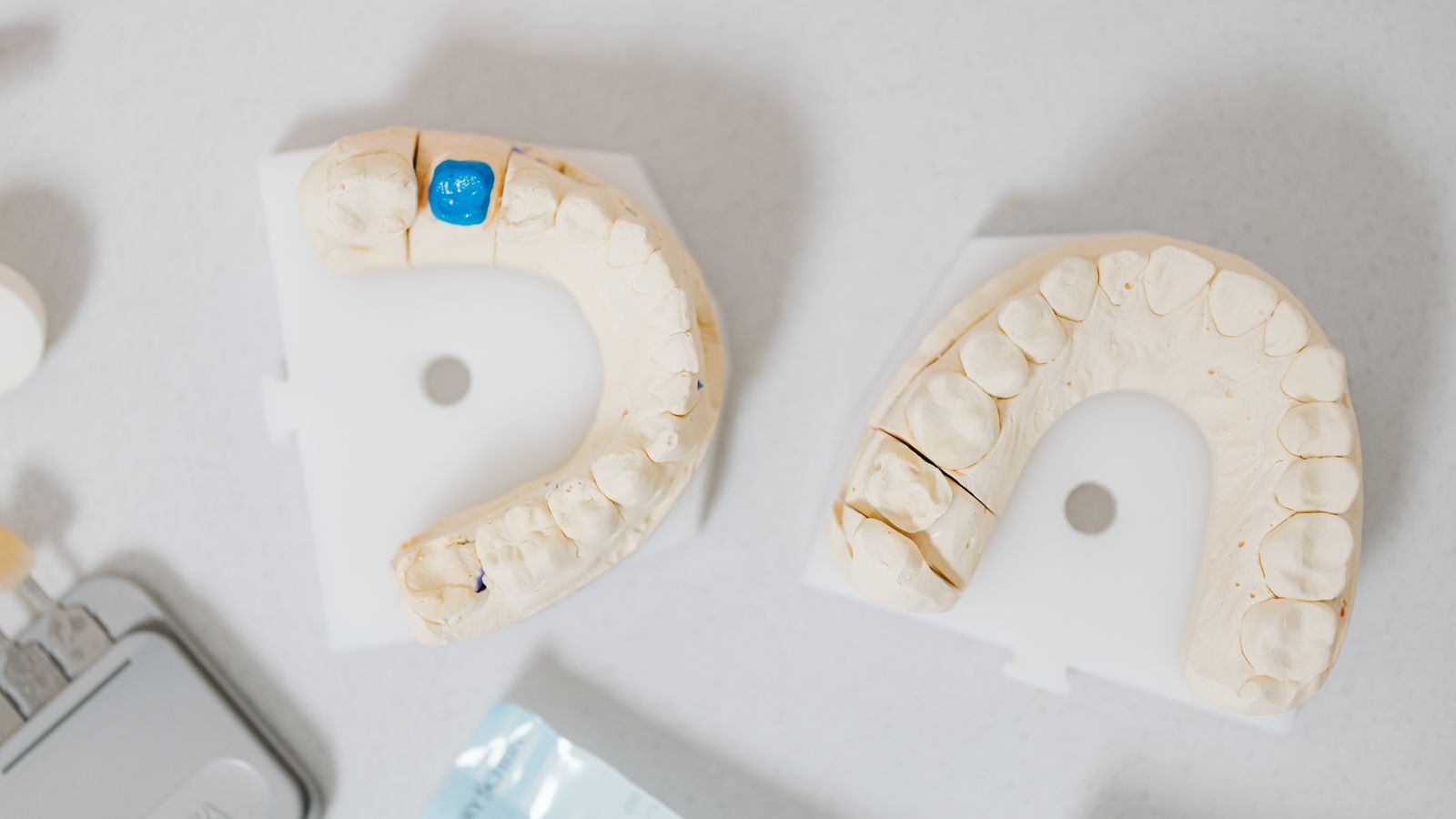
A crown covers a tooth completely and holds it together. That is the whole job. It is recommended when there is not enough sound tooth structure left to survive normal chewing forces on its own.
That situation arises in a few predictable ways: a very large old filling with thin walls remaining around it, a tooth that has had a root canal, a crack, or a cusp that has already broken off. In each case the tooth is structurally compromised, and the concern is not decay. It is fracture.
This distinction matters for your decision. A filling repairs a hole. A crown prevents a break. Holes progress slowly and predictably. Breaks happen in a single bite, without warning, usually on something unremarkable like a piece of bread.
The question that determines everything: is it cracked?
If a crown was recommended because a filling is large but the tooth is intact and symptom free, you generally have some room. Months, sometimes longer, with monitoring.
If it was recommended because there is a crack, the calculation changes completely, and this is the part worth understanding.
A crack in a tooth does not stay the same size. Every time you bite, the segments flex apart slightly and the crack propagates. While it is confined to the crown of the tooth, a crown fixes it by holding everything together. Once it travels below the gumline and into the root, the tooth is usually not restorable at all. There is no crown, filling, or root canal that saves a root fracture. It comes out.
So with a cracked tooth you are not choosing between paying now and paying later. You are choosing between a crown and an extraction plus a replacement, which is several times the cost. We walked through that same arithmetic for a different procedure in what happens if you pull the tooth instead of getting a root canal, and it lands the same way here.
How to tell if yours is cracked
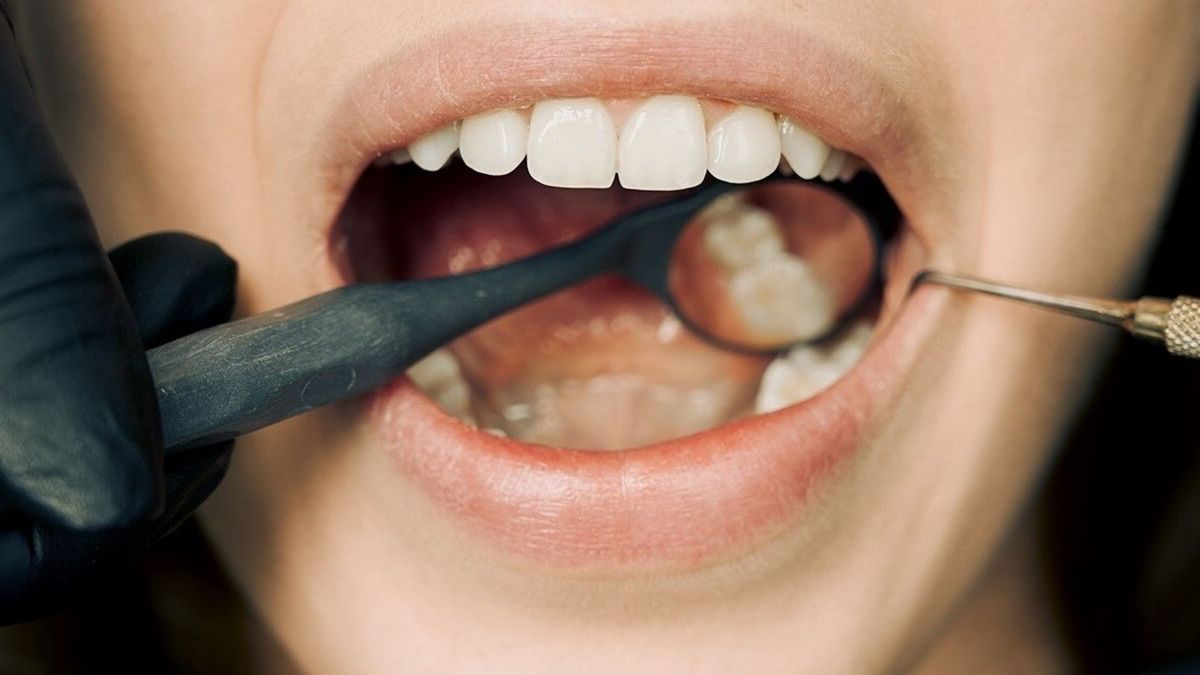
The classic sign is sharp pain on release rather than on pressure. You bite something, and the jolt comes as you let go. Sensitivity to cold that is brief but startling on one specific tooth is another. If you have either, treat the recommendation as time sensitive and say so when you book.
Told you need a crown and not sure it is urgent?
Get a Second OpinionWhat waiting actually risks
Three things, in rough order of likelihood.
The cusp breaks off. This is the common one, and if you are lucky it breaks above the gumline and a crown still works. Sometimes it takes the wall down below the gum, and then you need crown lengthening or an extraction.
The crack reaches the nerve. The tooth was fine, and now it needs a root canal before it can be crowned. You did not avoid the crown. You added a procedure to it.
The tooth splits. Least common, worst outcome, no repair available.
There is also a quieter risk. A tooth with a big failing filling often has decay working underneath it that nobody can see until the filling comes out. Time favors that decay.

What will your dental care actually cost you?
Three questions. No email needed.
What to do if you genuinely cannot pay for it now
Do not just leave the appointment and hope. Every one of these is better than nothing.
Ask for a sedative or reinforced temporary filling
This is the most underused option in dentistry. A well placed interim restoration can hold a tooth together for months. It costs a fraction of a crown. It is not a permanent answer and it is not as strong, but it buys real time. Ask specifically. Many offices will not offer it unless you raise the money issue directly, and you should raise it directly.
Ask about a same day crown
If the barrier is partly logistical rather than purely financial, milling a crown in one visit removes the temporary phase and the second appointment. Fewer visits, less time off work, and no risk of a temporary crown coming off while you wait.
Get the sequence right if you need several
If you were handed a plan with four crowns on it, you almost certainly do not need all four this month. Ask which one is at genuine risk of fracture and which ones are being recommended for the future. A good office will happily rank them. If nobody will rank them, get a second opinion.
Use the financing that exists
Interest free windows, membership plans, and benefit year timing all apply here the same way they apply to bigger work. Our payment options page covers what we take, and Smile Club is usually the better route if you have no insurance.
Change how you chew, deliberately
Free, and it matters more than people expect. Keep that tooth away from ice, hard candy, nuts, popcorn kernels, crusty bread, and anything you have to tear. Most fractures in already weakened teeth happen on something hard and unexpected. If you clench at night, get a guard, because that is hours of load on a tooth that cannot take it.

When you should push back on the recommendation
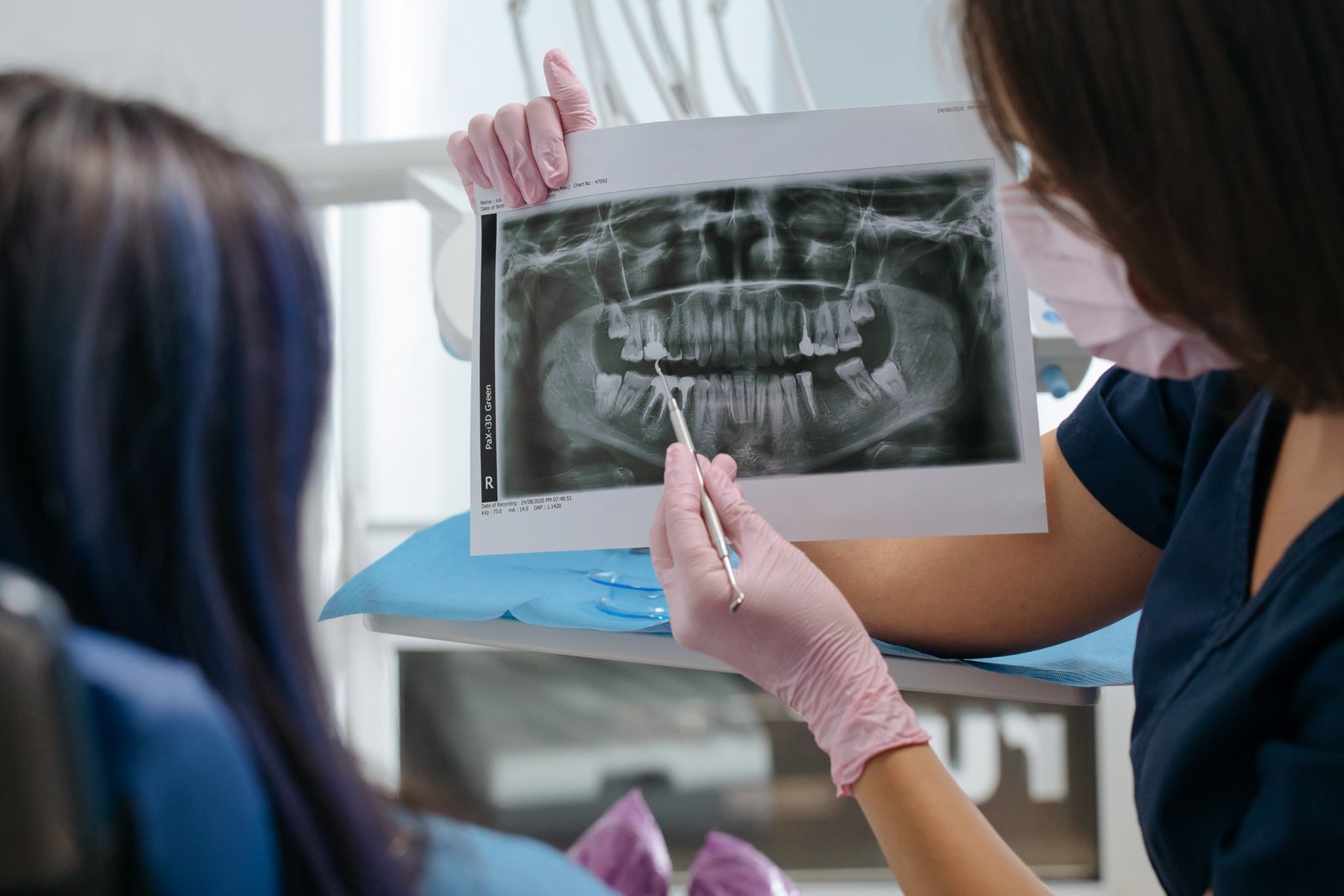
Not every crown recommendation is right. Ask to see the photo or the x ray, and ask what specifically makes a filling insufficient. There are legitimate answers: not enough wall thickness left, a visible crack line, a cusp already lost, a previous root canal. There are also cases where a well placed onlay or a large filling would do the job and last for years.
If the explanation is vague, or you are told a tooth with no symptoms and a modest filling needs a crown, get a second opinion. Bring the x rays. Any office that objects to you getting one has told you something useful.
The short version
If the tooth is cracked or symptomatic, treat it as urgent regardless of what you can pay, and ask about an interim restoration to bridge the gap. If it is a large filling with no symptoms and no crack, you likely have some room, but get it monitored rather than forgotten, and adjust what you chew on it in the meantime.
The pattern we see most often is not people who chose the cheap option. It is people who chose nothing for two years, and then arrived in pain needing considerably more than the crown they were quoted. Come in and get a straight answer about which situation you are in. Our Overland Park office sees second opinions regularly and we are happy to be the second one.
Common questions
How long can I wait to get a crown?
It depends entirely on why it was recommended. A large filling with no crack and no symptoms may be safe to monitor for months. A cracked or symptomatic tooth should be treated as time sensitive, because cracks propagate with every bite and can reach the root, where the tooth becomes unrestorable.
What happens if a cracked tooth is left untreated?
The crack extends a little further each time you chew. While it stays above the gumline a crown can hold the tooth together. Once it travels into the root there is no restoration that saves it, and the tooth has to be extracted and replaced.
Can I get a filling instead of a crown to save money?

Sometimes, but it depends on how much sound tooth is left. A filling sits inside the tooth and relies on the surrounding walls for support. If those walls are thin or cracked, a filling can act like a wedge and increase the chance of fracture. An onlay is sometimes a middle option worth asking about.
Is it worth getting a second opinion on a crown?
Yes, particularly if the tooth has no symptoms and the explanation you were given was vague. Bring your x rays. Ask what specifically makes a filling insufficient. Reasonable answers include a visible crack, a lost cusp, thin remaining walls, or a previous root canal.
What can I do to protect the tooth while I wait?
Ask about a reinforced or sedative temporary filling, which can hold a tooth together for months at a fraction of the cost. Keep that side away from ice, nuts, hard candy and crusty bread, and get a night guard if you clench, since overnight clenching puts hours of load on a tooth that cannot take it.
Find out how long you can actually wait.
Bring in the tooth and the treatment plan. We will tell you honestly whether it needs doing now, what the interim options are, and what waiting risks.
Same day crowns available. Second opinions welcome.
Want answers like this at the top of your search results?
Add Love To Smile as a Preferred Source on GoogleRequest an appointment
We would love to hear from you. Send us a message and our team will reach out to get you scheduled.