

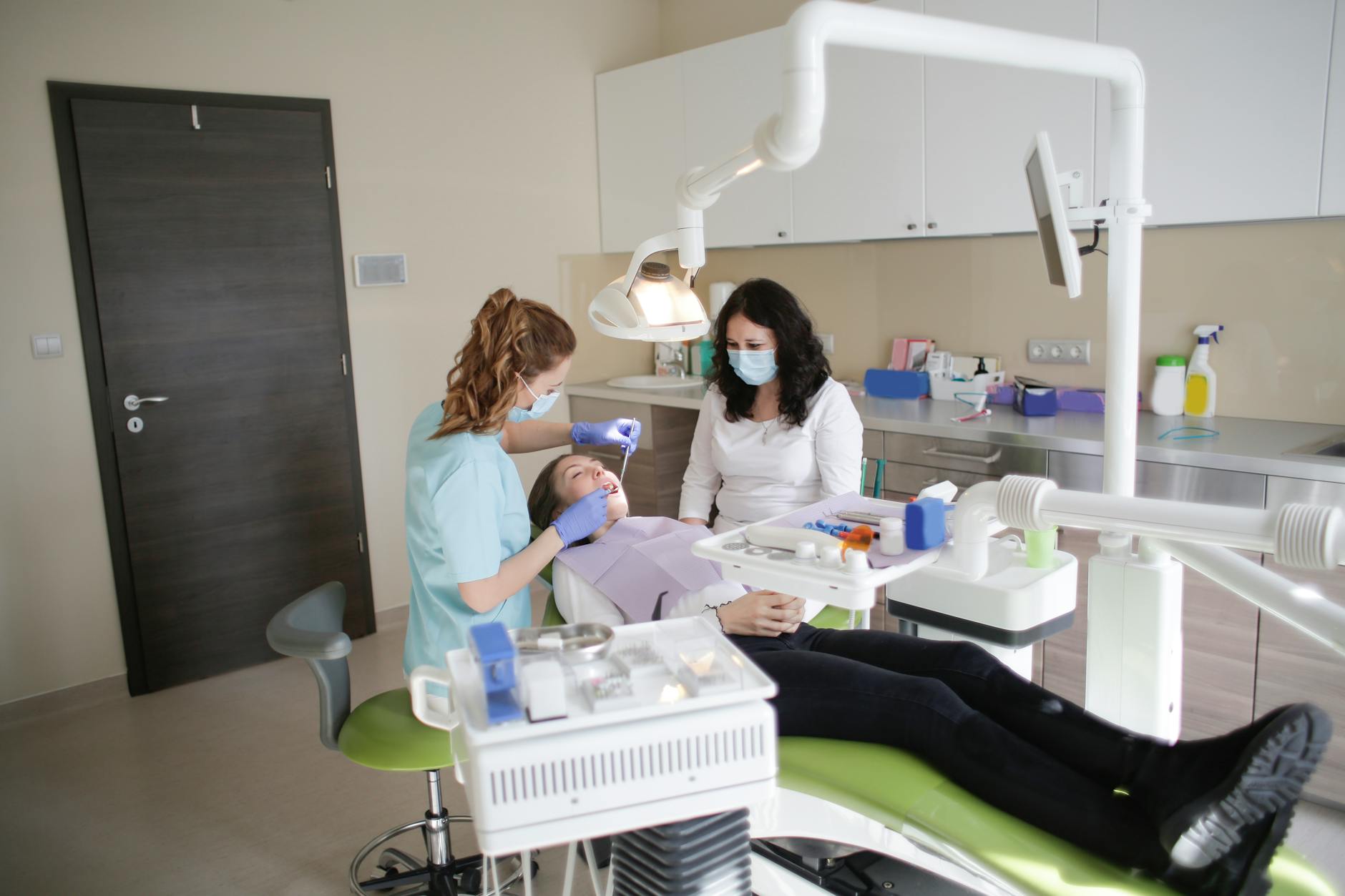

The Golden 30-Minute Rule in Dental Emergencies
Dental emergencies don’t follow office hours. Whether it’s a weekend soccer game in Johnson County or a late-night accident at home, knowing how to respond immediately is crucial. The first 30 minutes after dental trauma often determine the long-term outcome of your treatment.
Emergency situations require swift action because dental tissues have limited blood supply compared to other parts of your body. Once damaged, they begin deteriorating rapidly. The sooner you can preserve the affected area and seek professional care, the better your chances of a successful outcome.
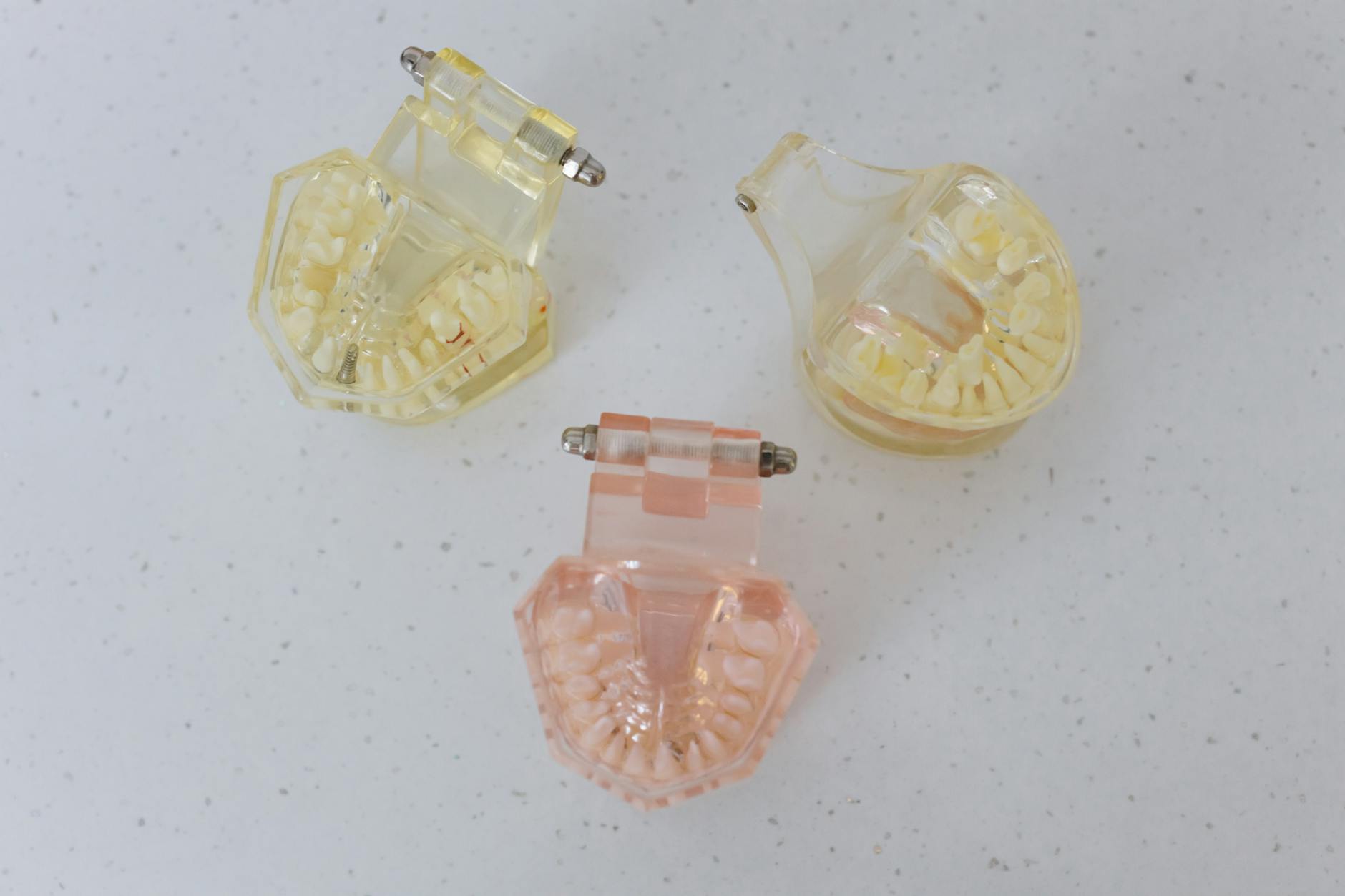
Knocked-Out Teeth: Every Second Counts
A completely avulsed (knocked-out) tooth represents one of the most time-sensitive dental emergencies. The periodontal ligament cells that connect your tooth to the jawbone can only survive outside the mouth for a limited time.
Immediate Actions for Knocked-Out Teeth
First 2 minutes: Find the tooth immediately and pick it up by the crown (the white part you normally see). Never touch the root surface, as this can damage the delicate cells needed for reattachment.
Minutes 2-5: If the tooth is dirty, rinse it gently with milk or saline solution. Never use tap water, soap, or scrub the tooth. Tap water can actually kill the root surface cells due to its osmotic properties.
Minutes 5-10: Try to reinsert the tooth into its socket if possible. Bite down gently on a clean cloth to hold it in place. If reinsertion isn’t possible, store the tooth in one of these media (in order of preference):
- Cold milk (not skim milk)
- Your own saliva (hold it in your mouth next to your cheek)
- Saline solution
- Emergency tooth preservation kit (if available)
Minutes 10-30: Contact an emergency dentist immediately. According to the American Dental Association, teeth have the highest chance of successful reimplantation when treated within 30 minutes of avulsion.
What NOT to Do with Knocked-Out Teeth
- Don’t let the tooth dry out
- Don’t wrap it in tissue or cloth
- Don’t use hydrogen peroxide or alcohol
- Don’t attempt to clean it with anything abrasive
- Don’t delay seeking professional care
In pain right now?
Call Our TeamCracked or Fractured Teeth: Preventing Further Damage
Tooth fractures can range from minor chips in the enamel to complete crown fractures exposing the nerve. The severity of your response should match the extent of the damage.
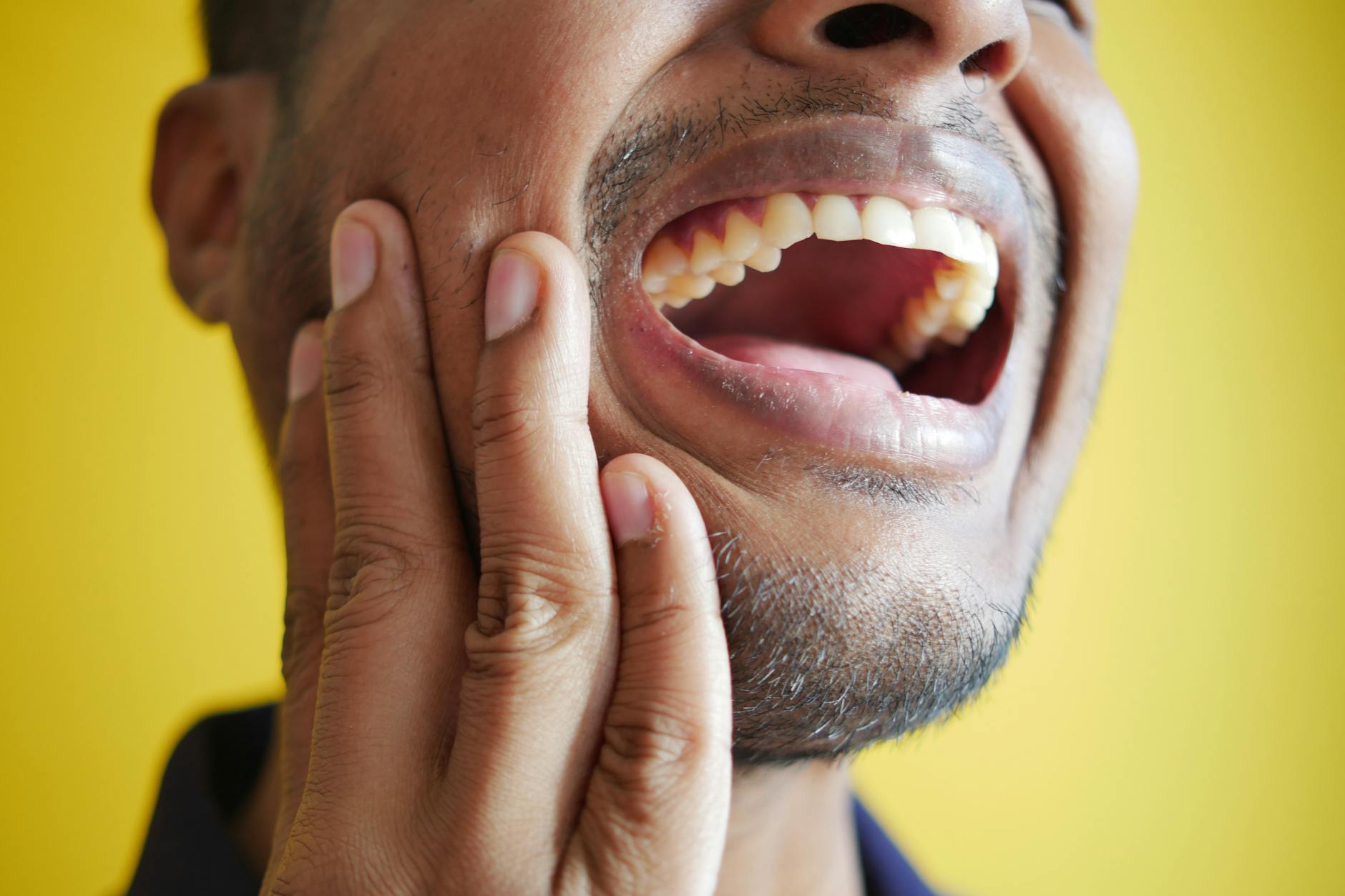
Assessing the Severity
Minor chips: Small enamel chips typically aren’t emergencies but should be seen within a few days. Smooth any sharp edges with dental wax or sugarless gum to prevent tongue and cheek injuries.
Moderate fractures: Cracks extending into the dentin (the layer beneath enamel) often cause sensitivity and pain. These require prompt attention to prevent bacterial invasion of the tooth’s inner layers.
Severe fractures: Deep cracks reaching the pulp (nerve) often cause intense pain and bleeding. These constitute true emergencies requiring immediate professional care.
First 30 Minutes for Cracked Teeth
Immediate pain management: Take over-the-counter pain medication as directed. Ibuprofen is particularly effective for dental pain due to its anti-inflammatory properties.
Protect the area: Rinse your mouth gently with warm salt water. If you can find the broken piece, save it in milk or saline solution.
Prevent further damage: Avoid chewing on the affected side. Don’t consume extremely hot or cold foods, which can trigger severe pain in exposed nerves.
Control bleeding: If the fracture is bleeding, apply gentle pressure with a clean gauze pad.
Dental Abscesses: Recognizing a Serious Infection
A dental abscess represents a serious bacterial infection that can become life-threatening if left untreated. The infection can spread to surrounding tissues, including the jawbone, neck, and even the bloodstream.
Warning Signs of Dental Abscess
- Severe, throbbing toothache
- Swelling in the face, cheek, or lymph nodes
- Fever and general malaise
- Bitter taste in mouth from draining pus
- Difficulty swallowing or breathing
- Sensitivity to hot and cold temperatures
Emergency Response for Abscesses
Minutes 1-5: Rinse your mouth with warm salt water to help draw out infection and reduce swelling. Mix 1/2 teaspoon of salt in 8 ounces of warm water.

Minutes 5-15: Apply a cold compress to the outside of your cheek for 15-20 minutes to reduce swelling and numb pain. Never apply heat to an abscess, as this can worsen the infection.
Not sure if this counts as an emergency?
Talk to Us FirstMinutes 15-30: Take over-the-counter pain medication and contact an emergency dentist immediately. Document your symptoms, including fever readings and progression of swelling.
According to the Mayo Clinic, dental abscesses require professional treatment and typically need antibiotic therapy to prevent serious complications.
Is this a dental emergency?
Three questions. If in doubt, call us.
When to Go to the Emergency Room vs. Emergency Dentist
Understanding when to seek hospital emergency care versus waiting for an emergency dentist can be life-saving. In Overland Park and the greater Kansas City area, several factors determine the appropriate level of care.
Go to the ER Immediately If You Experience:
- Difficulty breathing or swallowing
- High fever (over 101°F) with facial swelling
- Severe facial trauma with suspected jaw fracture
- Uncontrolled bleeding from the mouth
- Signs of spreading infection (red streaks, severe swelling extending to the neck)
- Loss of consciousness following dental trauma
Emergency Dentist Situations:
- Severe toothache without systemic symptoms
- Knocked-out teeth
- Large dental restorations that have fallen out
- Broken or lost crowns causing pain
- Orthodontic emergencies with broken wires
Creating Your Dental Emergency Action Plan
Preparation is key to handling dental emergencies effectively. Every household in Johnson County should have a dental emergency kit and action plan ready before an emergency occurs.
Essential Emergency Kit Items
- Emergency dentist contact information
- Clean gauze pads
- Salt for saltwater rinses
- Over-the-counter pain medication
- Small container with lid for storing knocked-out teeth
- Dental wax for orthodontic emergencies
- Cold compress or ice packs
- Emergency contact numbers for local hospitals
Know Your Local Resources
In Overland Park, having established relationships with dental professionals before emergencies occur can save precious time. Love to Smile provides comprehensive emergency dental care and can be reached at (913) 491-1200 for urgent situations.
Prevention: Your Best Emergency Strategy
While knowing how to respond to dental emergencies is crucial, prevention remains your most effective strategy. Regular dental checkups can identify potential problems before they become emergencies.
Common Prevention Strategies
- Wear mouthguards during sports activities
- Avoid chewing ice, hard candies, and non-food items
- Don’t use teeth as tools to open packages
- Address teeth grinding (bruxism) with a night guard
- Maintain excellent oral hygiene to prevent infections
- Regular dental checkups to catch problems early
In pain right now?
Call Our Team
Long-term Outcomes and Follow-up Care
The actions you take in the first 30 minutes of a dental emergency significantly impact your long-term oral health outcomes. However, emergency treatment is just the beginning of your recovery process.
Follow-up care often involves multiple appointments, possible endodontic treatment, and sometimes reconstruction with crowns or implants. Understanding this process helps you make informed decisions during the emergency and afterwards.
If you’re experiencing a dental emergency in Overland Park, don’t wait. Contact Love to Smile immediately at (913) 491-1200. Dr. Esther Pedersen and her team provide comprehensive emergency dental care to help preserve your smile and get you out of pain quickly.
Frequently Asked Questions
How quickly do I need to see a dentist for a knocked-out tooth?
You should seek emergency dental care within 30 minutes for the best chance of successful tooth reimplantation. After 2 hours, the success rate drops significantly.
Can I go to sleep with severe tooth pain?
Severe tooth pain, especially accompanied by swelling or fever, should not be ignored. These symptoms can indicate a serious infection that requires immediate treatment.
What should I do if my filling falls out?
Clean the area gently, avoid chewing on that side, and contact your dentist as soon as possible. You can temporarily cover the area with dental wax or sugarless gum.
Is a cracked tooth always an emergency?

Not all cracked teeth are emergencies, but they should all be evaluated promptly. If you’re experiencing severe pain, sensitivity, or can see deep into the crack, seek immediate care.
How can I tell if tooth pain is serious enough for emergency care?
Seek emergency care for severe pain that prevents normal activities, pain accompanied by swelling or fever, or trauma to the face and teeth.
Do not wait out dental pain.
Tooth pain rarely resolves on its own, and waiting usually means a bigger procedure later. Call us and we will get you assessed and out of pain.
Same-day emergency care when our schedule allows. Call and we will do our best to fit you in.
Want answers like this at the top of your search results?
Add Love To Smile as a Preferred Source on GoogleRequest an appointment
We would love to hear from you. Send us a message and our team will reach out to get you scheduled.