

Understanding Overland Park’s Water Supply System
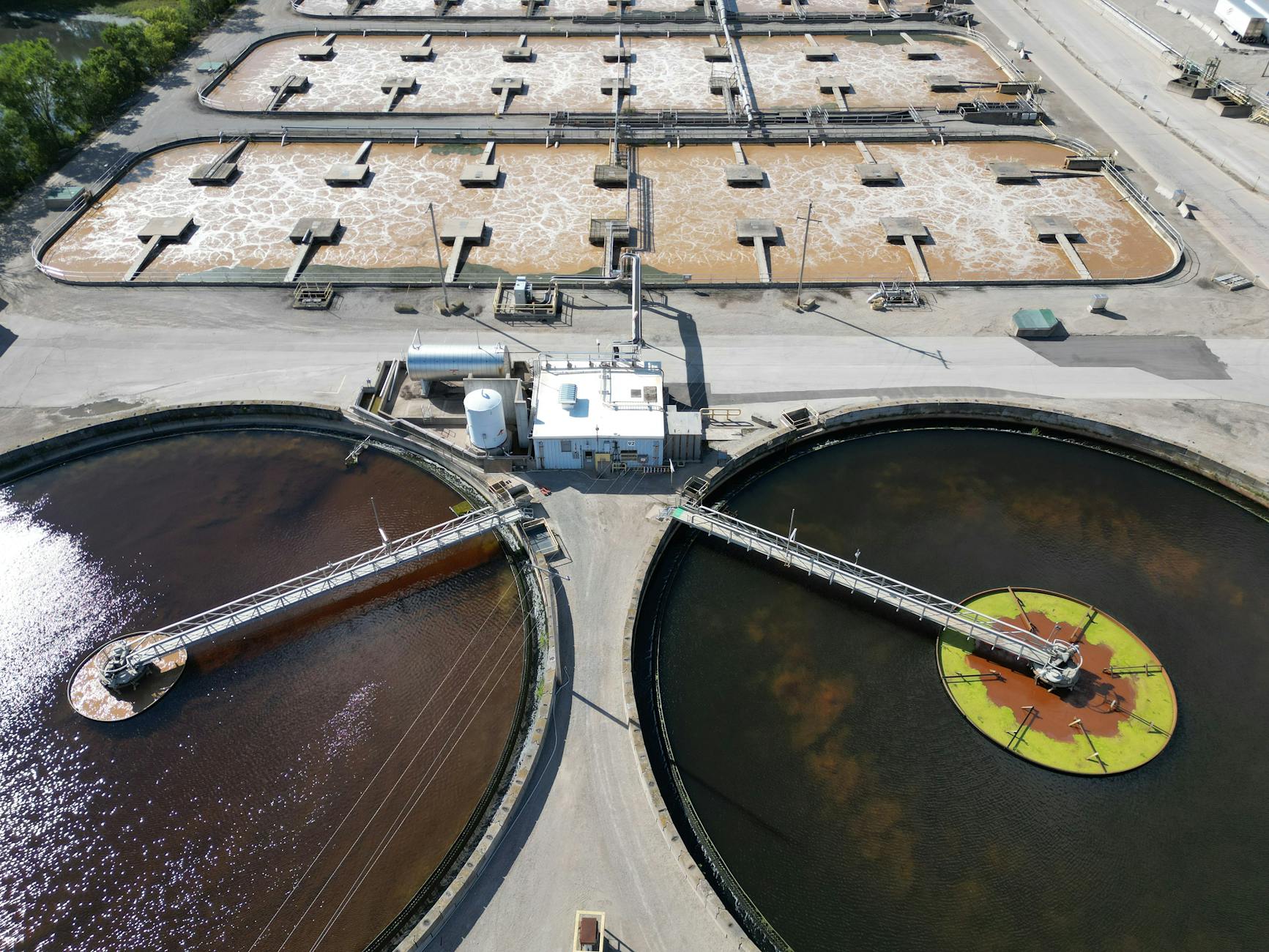
Overland Park residents receive their water through a sophisticated network managed by multiple providers, with Johnson County Water District #1 serving as a primary supplier for much of the area. This system draws water from several sources, including the Missouri River and local wells, ensuring a reliable supply for our growing community.

The water treatment process involves multiple stages of filtration and purification before it reaches your home. Johnson County Water District maintains strict quality standards that exceed EPA requirements, regularly testing for over 150 potential contaminants. This comprehensive approach ensures that Overland Park families receive water that’s not only safe to drink but also beneficial for dental health.
The Role of Johnson County Water District
Johnson County Water District #1, established in 1957, serves over 400,000 residents across Johnson County, including significant portions of Overland Park. The district operates multiple treatment facilities and maintains an extensive distribution network that brings treated water directly to your neighborhood.
The district’s commitment to water quality extends beyond basic safety measures. They regularly publish detailed water quality reports that break down exactly what’s in your water, including mineral content, pH levels, and fluoride concentrations. These reports are available to all residents and provide transparency about the water treatment process.

Fluoride in Overland Park’s Water: The Dental Health Connection
One of the most significant components in Overland Park’s water supply from a dental health perspective is fluoride. Johnson County Water District maintains fluoride levels between 0.7 and 1.0 parts per million (ppm), which aligns with recommendations from the American Dental Association and the Centers for Disease Control and Prevention.
How Fluoride Protects Your Teeth
Fluoride works through a process called remineralization, where it helps rebuild weakened tooth enamel and makes teeth more resistant to acid attacks from bacteria in your mouth. When you drink fluoridated water throughout the day, you’re providing your teeth with a continuous, low-level exposure to this protective mineral.

Is your child nervous about the dentist?
See How We HelpResearch consistently shows that community water fluoridation reduces tooth decay by approximately 20-40% in both children and adults. For Overland Park families, this means that simply drinking tap water provides a significant boost to your family’s oral health defense system.
Optimal Fluoride Levels for Different Ages
The fluoride content in Overland Park’s water is carefully calibrated to provide maximum dental benefits while minimizing any potential risks. For children, this level supports proper tooth development, while adults benefit from ongoing protection against cavities and tooth decay.
However, it’s important to note that very young children (under 6 months) should primarily receive fluoride through water rather than toothpaste, as they haven’t yet developed the ability to spit out toothpaste effectively. The Mayo Clinic provides detailed guidelines on appropriate fluoride exposure for different age groups.
Other Important Components in Your Water
While fluoride gets the most attention for dental health, other minerals and components in Overland Park’s water also play important roles in maintaining oral health.
Calcium and Magnesium
Overland Park’s water contains naturally occurring calcium and magnesium, which contribute to the water’s “hardness.” While hard water can sometimes cause issues with appliances, these minerals are actually beneficial for dental health. Calcium helps strengthen tooth enamel, while magnesium supports overall oral health.
pH Levels and Acid Balance
The pH level of your drinking water affects how it interacts with your teeth. Johnson County Water District maintains water pH levels within an optimal range that doesn’t contribute to enamel erosion. This balanced approach helps protect your teeth from the acidic conditions that can lead to decay.
How well is your daily routine actually protecting you?
Three questions. No email needed.
What This Means for Your Family’s Oral Care Routine
Understanding your local water quality helps inform decisions about your family’s dental care routine. Since Overland Park water already contains optimal fluoride levels, you may not need additional fluoride supplements unless specifically recommended by your dentist.

Choosing the Right Toothpaste
With fluoridated water as part of your daily routine, selecting an appropriate fluoride toothpaste becomes even more important. Most dentists recommend using fluoride toothpaste in conjunction with fluoridated water for maximum protection. However, the specific type and concentration may vary based on your individual risk factors for tooth decay.
Water Filtration Considerations
Want the whole family seen in one trip?
Book TogetherMany Overland Park families use water filtration systems for taste or other preferences. While most standard filters don’t remove fluoride, some advanced filtration systems, including reverse osmosis, can significantly reduce fluoride levels. If you use such systems, discuss with your dental care provider whether additional fluoride supplementation might be beneficial.
Staying Informed About Water Quality Changes
Water quality can change over time due to various factors, including seasonal variations, infrastructure updates, or changes in treatment processes. Johnson County Water District provides regular updates and maintains transparency about any changes that might affect residents.
Annual Water Quality Reports
Every year, water providers are required to issue Consumer Confidence Reports that detail water quality test results. These reports provide valuable information about what’s in your water and how it compares to federal and state standards. For families concerned about dental health, paying attention to fluoride levels and pH measurements in these reports can be particularly helpful.

Special Considerations for Overland Park Families
Living in Overland Park means access to high-quality municipal water, but there are still some special considerations for maintaining optimal dental health.
Well Water vs. Municipal Water
Some areas of Overland Park, particularly newer developments or rural sections, may rely on private wells rather than municipal water. Well water typically doesn’t contain added fluoride, which means families using well water may need to discuss fluoride supplementation with their dentist.
Bottled Water Habits
Many families supplement their water intake with bottled water, especially for convenience when out and about. However, most bottled waters don’t contain fluoride at the same levels as Overland Park’s tap water. If bottled water makes up a significant portion of your family’s fluid intake, this could impact the dental benefits you’re receiving from fluoridated water.
Working with Your Overland Park Dental Team
Understanding your local water quality is just one piece of maintaining excellent oral health. Regular dental checkups allow your dental care provider to assess how your current routine, including your water consumption habits, is affecting your oral health.
Is your child nervous about the dentist?
See How We HelpAt Love to Smile, Dr. Esther Pedersen works with Overland Park families to develop comprehensive oral care plans that take local factors, including water quality, into account. This personalized approach ensures that your family receives the most effective preventive care possible.
Frequently Asked Questions
Is Overland Park’s tap water safe for my family to drink?
Yes, Overland Park’s water meets or exceeds all federal and state safety standards. Johnson County Water District conducts regular testing and publishes detailed quality reports showing that the water is safe for consumption by all family members, including infants and pregnant women.
How much fluoride is in Overland Park’s water?
Johnson County Water District maintains fluoride levels between 0.7 and 1.0 parts per million, which is within the optimal range recommended by dental and health professionals for preventing tooth decay while avoiding fluorosis.
Do I need to give my children fluoride supplements if we drink Overland Park tap water?
Generally, no. Since Overland Park’s water contains optimal fluoride levels, additional supplements are typically not necessary and could potentially lead to excessive fluoride intake. However, your dentist can assess your child’s individual risk factors and make personalized recommendations.
Will using a water filter remove the beneficial fluoride from my tap water?
Most standard carbon filters and pitcher filters don’t remove fluoride. However, reverse osmosis systems and distillation can significantly reduce fluoride levels. If you use these types of filtration systems, discuss with your dentist whether you need to adjust your oral care routine.
How does hard water affect my teeth?
Hard water, which contains higher levels of calcium and magnesium, can actually be beneficial for dental health. These minerals help strengthen tooth enamel. While hard water may cause issues with appliances and plumbing, it generally doesn’t harm your teeth.
Should I be concerned about other chemicals in the water?
Johnson County Water District treats water to remove harmful contaminants while maintaining beneficial minerals. The treatment process includes disinfection, which may leave trace amounts of chlorine, but these levels are safe and don’t negatively impact dental health.
Taking advantage of Overland Park’s high-quality water supply is an excellent foundation for your family’s oral health, but it works best as part of a comprehensive dental care routine. Regular checkups, proper brushing and flossing, and professional guidance ensure that you’re maximizing the benefits of our community’s excellent water quality. Contact Love to Smile to learn more about how local factors like water quality can be incorporated into your family’s personalized oral health plan.
A dental visit your kids will not dread.
We take the time to make children comfortable, explain everything at their level, and keep visits short and positive. Families can book back to back in one trip.
Complete family dentistry in Overland Park, KS and Peculiar, MO.
Want answers like this at the top of your search results?
Add Love To Smile as a Preferred Source on GoogleRequest an appointment
We would love to hear from you. Send us a message and our team will reach out to get you scheduled.