;)
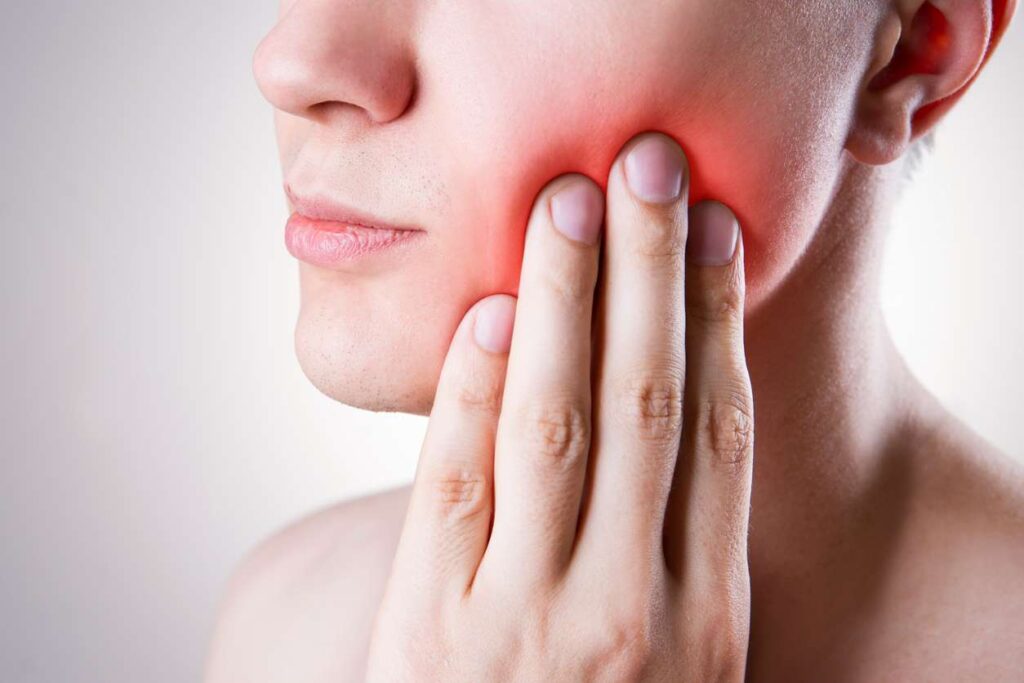
If you are searching for tooth pain relief in Kansas City, you are probably not casually browsing. You are trying to make the pain stop. Now. And you are not alone. Tooth pain is one of the most common reasons people end up needing urgent dental care, because it can go from “annoying” to “I can’t sleep” in a single day. Here is the good news. There are safe, effective things you can do at home to calm tooth pain temporarily. But there are also a few things you should absolutely not do, because they can make the problem worse. In this guide, we are going to cover: the most common causes of tooth pain in Kansas City patients what you can do right now at home what pain symptoms mean you need a dentist ASAP when to go to urgent care vs when to go to a dental office what your dentist will likely do to fix it If you want to skip straight to getting help, start here: https://www.love-to-smile.com/services/ And when you are ready to reach us, contact us here: https://www.love-to-smile.com/contact/

First: Tooth Pain Is a Symptom, Not the Real Problem
Tooth pain is not random. It usually means one of three things:
- A tooth is decaying and the nerve is irritated
- A tooth is cracked or stressed and inflamed
- An infection is developing
You might be able to quiet the pain for a few hours or even a few days, but the cause still needs to be identified. The goal is not just relief. The goal is stopping the issue before it turns into a bigger, more expensive emergency.
Tooth Pain Relief in Kansas City: What You Can Do Right Now
Let’s start with the practical stuff. If your tooth hurts today, these are the safest steps to take immediately.
1) Rinse with warm salt water
This is the simplest and most underrated home step. Salt water can help reduce inflammation and flush bacteria around the tooth and gums. It is especially helpful if the pain is coming from gum irritation or food stuck around a tooth.
How to do it: Mix about 1/2 teaspoon of salt into a cup of warm water. Swish gently for 30 seconds, then spit.
2) Take an over-the-counter pain reliever (if you can)
For many adults, ibuprofen is commonly used for dental pain because it reduces inflammation. Acetaminophen can also help pain, especially if you cannot take NSAIDs. Important note: Always follow the label directions, and if you have medical conditions, ask your physician. For general guidance, you can reference the FDA’s consumer information on safe use of over-the-counter pain medicines: https://www.fda.gov/consumers/consumer-updates
3) Use a cold compress on your cheek
If your pain includes swelling, a cold compress can help.
Use it like this: 10 minutes on, 10 minutes off.Do not apply ice directly to your skin.
4) Keep the area clean, gently
If your tooth hurts, brushing might feel scary. But leaving plaque and food around the tooth can make it worse. Brush gently. Floss carefully. If flossing is too painful, rinse well.
5) Avoid chewing on that side
This sounds obvious, but it matters. Chewing can make a cracked tooth worse. It can also irritate an inflamed nerve. Stick to soft foods until you get checked.

What NOT to Do for Tooth Pain Relief
This section saves people from turning a bad toothache into a nightmare.
Do not put aspirin directly on your tooth or gums
This is an old-school trick that still gets recommended online. It can cause a chemical burn to your gums and does not solve the issue.
Do not ignore throbbing pain that keeps you awake
This is one of the biggest red flags of infection or nerve involvement. If the pain is waking you up, that is your body telling you the tooth needs attention.
Do not use “DIY antibiotics” or leftover prescriptions
Antibiotics are not a painkiller. And using them incorrectly can delay real treatment and make infections harder to treat later. For a helpful overview of why antibiotics should not be misused, you can reference the CDC’s antibiotic guidance here: https://www.cdc.gov/antibiotic-use/index.html
Do not keep using whitening products if your tooth hurts
If you were whitening and suddenly developed pain, stop. Whitening can increase sensitivity, especially if you already have a cavity or gum recession.
Common Causes of Tooth Pain in Kansas City
Tooth pain can feel similar even when the cause is totally different. Here are the most common reasons we see.
Cavities (tooth decay)
This is the most common cause. Cavity pain often starts as: sensitivity to cold pain with sweets pain that comes and goes As the decay gets deeper, it can become: constant throbbing painful when biting
Cracked tooth
Cracks are sneaky. You might feel: sharp pain when chewing pain that comes and goes sensitivity to cold A cracked tooth often does not show up on a quick glance, which is why imaging and a detailed exam matter.
Infected tooth (abscess)
This is one you do not want to wait on. Symptoms may include: throbbing pain swelling in the gum or face a bad taste in your mouth fever pain that feels like pressure Infections can spread beyond the tooth, which is why prompt care matters.
Gum infection or deep gum pockets
Sometimes the tooth is not the issue. Gum inflammation can cause: soreness aching pain when biting bleeding
Wisdom teeth
If you still have wisdom teeth, they can cause pain from: partial eruption infection around the gum flap crowding pressure
Sinus pressure (upper teeth pain)
Upper back tooth pain is sometimes sinus-related, especially during cold season. That said, you never want to assume. A dental exam can help you confirm if the tooth is healthy.

When Tooth Pain Is an Emergency
If you are looking for tooth pain relief in Kansas City and you have any of these symptoms, do not wait.
Go to a dentist ASAP if you have:
- Swelling in the face or jaw
- Fever
- Throbbing pain that is getting worse
- Pain that wakes you up at night
- A bad taste or pus near the tooth
- Difficulty swallowing
Go to urgent care or the ER if you have:
- Difficulty breathing
- Severe facial swelling spreading quickly
- High fever with weakness
- Swelling under the tongue or in the neck
Dental infections can become medical emergencies in rare cases. If breathing or swallowing is affected, that is not a “wait and see” situation.
What a Dentist Will Do for Tooth Pain Relief
Most people avoid the dentist because they fear being judged or pressured. That is not how we do it. The goal is simple:
Figure out the cause, then fix it in the most direct way possible.
Step 1: Exam and imaging
A toothache is not something you diagnose by guessing. Most cases require: an exam X-rays sometimes 3D imaging for complex cases
Step 2: Identify the cause
Common diagnoses include: cavity cracked tooth infected tooth gum infection bite trauma
Step 3: Provide a clear treatment plan
Depending on what we find, treatment may include:
- A filling
- A crown
- Root canal treatment
- Extraction
- Gum treatment
The most important thing is that you leave knowing what the problem is and what the next step is.
How Much Does Emergency Dental Care Cost in Kansas City?
Cost depends on the diagnosis, but here is the truth:
Waiting usually makes it more expensive.A small cavity can often be fixed with a filling. That same tooth, ignored for months, may need a root canal and crown. And if infection gets severe, the tooth may not be savable. If cost is a concern, tell us. We can walk through options and help you prioritize the most urgent need first.
How to Prevent Tooth Pain (So You Don’t Have to Google This Again)
We know you are here for relief, but prevention is the long-term win.
Keep up with regular cleanings
Many toothaches are caught early during routine exams.
Don’t ignore sensitivity
Sensitivity is often the first warning sign.
Use a night guard if you grind
Grinding can crack teeth and cause pain over time.
Address missing teeth
Missing teeth can shift your bite and stress other teeth, which can lead to pain. If you are curious about restorative options, you can explore more here: https://www.love-to-smile.com/services/

Need Tooth Pain Relief in Kansas City? Here’s How to Get Help
If your tooth hurts, you do not need to tough it out. You need clarity. We will: identify the cause explain your options help you choose the most practical path forward Start here: https://www.love-to-smile.com/services/ Then contact us here: https://www.love-to-smile.com/contact/
FAQ: Tooth Pain Relief in Kansas City
What is the fastest way to relieve tooth pain at home?
Warm salt water rinses, over-the-counter pain relievers (as directed), and a cold compress can help reduce pain temporarily. Avoid chewing on that side and keep the area clean.
Why does my tooth hurt suddenly?
Sudden tooth pain can come from a cavity, a cracked tooth, an infection, gum irritation, or bite pressure. A dental exam is the best way to identify the real cause.
How do I know if my toothache is an infection?
Signs of infection can include throbbing pain, swelling, a bad taste, fever, and pain that gets worse instead of better. If you have swelling or fever, seek care quickly.
Should I go to urgent care for tooth pain?
Urgent care can help with pain management and may prescribe medication, but they usually cannot fix the dental cause. A dentist is the best place for tooth pain relief. Go to urgent care or the ER if you have trouble breathing, swallowing, or severe swelling.
Can a toothache go away on its own?
Sometimes pain fades temporarily, but the underlying problem often remains. Waiting can lead to infection or more expensive treatment.
What should I avoid doing when my tooth hurts?
Avoid placing aspirin on the gums, using harsh DIY treatments, chewing hard foods, and taking leftover antibiotics. These can make the problem worse or delay proper care.
How do I get seen for tooth pain relief in Kansas City?
Start by reviewing https://www.love-to-smile.com/services/ and then reach out at https://www.love-to-smile.com/contact/ so we can help you quickly.
Love these tips?
Make Love to Smile a Preferred Source on Google
Tap the button below and select Love to Smile so our latest dental health articles show up first in your Google search results.
★ Set as Preferred Source