;)
Nearly 80% of children will benefit from some form of orthodontic treatment during their lifetime, yet many parents struggle to recognize the early warning signs. Catching orthodontic issues early can mean the difference between simple, comfortable treatment and more complex interventions later. As Johnson County parents navigate their child’s dental development, understanding these crucial indicators can save time, money, and prevent future complications.
The Importance of Early Orthodontic Detection
Children’s mouths are constantly changing as they grow, making early detection of orthodontic issues both challenging and critical. The American Dental Association recommends that children have their first orthodontic evaluation by age 7, when permanent teeth begin emerging alongside baby teeth.
Early intervention doesn’t always mean immediate treatment, but it allows dental professionals to monitor development and plan the most effective approach. Some issues are much easier to correct when caught early, while others benefit from waiting until more permanent teeth have erupted.
Physical Signs Your Child May Need Orthodontic Treatment
Crowding and Spacing Issues
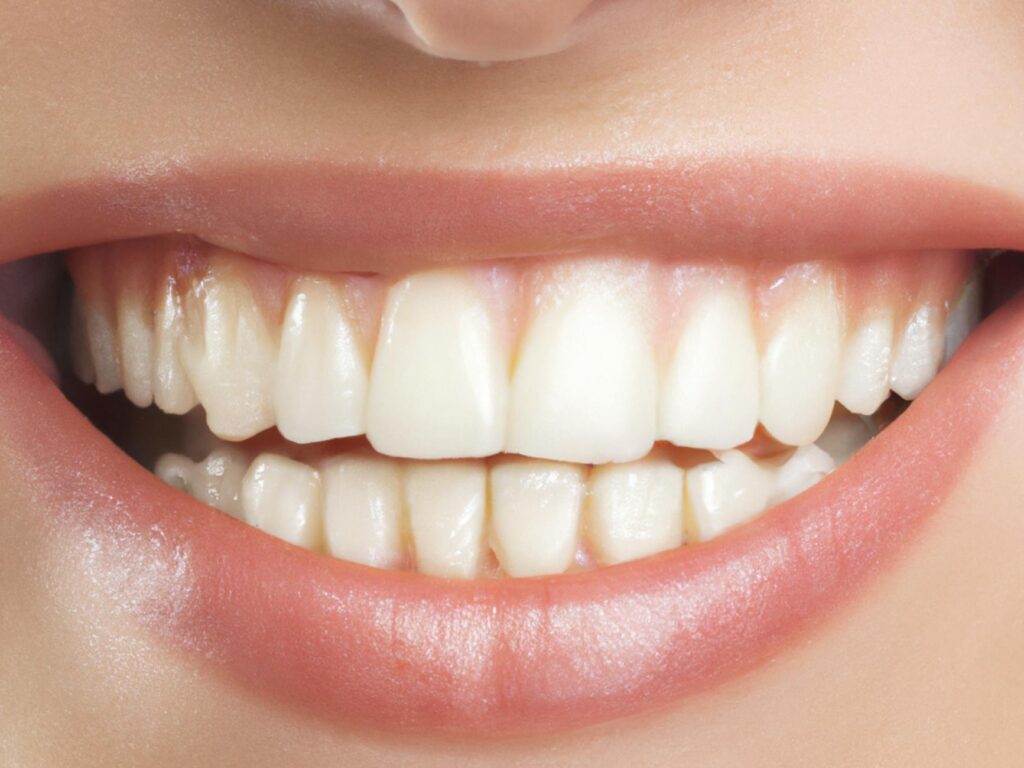
One of the most obvious signs parents notice is overcrowding or excessive spacing between teeth. Crowded teeth occur when there isn’t enough room in the jaw for all permanent teeth to emerge properly. This can lead to teeth growing at odd angles, overlapping, or becoming impacted.
Conversely, wide gaps between teeth can indicate jaw growth issues or missing teeth. While small gaps often close naturally as more permanent teeth emerge, persistent large spaces may require intervention.
Bite Problems
Various bite irregularities can signal the need for orthodontic treatment:
- Overbite: Upper teeth significantly overlap lower teeth when biting down
- Underbite: Lower teeth protrude beyond upper teeth
- Crossbite: Some upper teeth sit inside lower teeth when biting
- Open bite: Front teeth don’t touch when back teeth are closed
These conditions can affect chewing, speaking, and jaw development if left untreated.
Protruding or Misaligned Teeth
Teeth that stick out significantly or appear severely crooked are obvious candidates for orthodontic intervention. However, even subtle misalignments can cause problems over time, including increased risk of injury, difficulty cleaning, and uneven wear patterns.
Functional Warning Signs
Difficulty Chewing or Speaking
Children who consistently struggle to chew certain foods or have persistent speech difficulties may have orthodontic issues affecting their oral function. Lisps, difficulty pronouncing certain sounds, or complaints about food getting stuck frequently can all indicate alignment problems.
Jaw Pain or Clicking
While less common in children than adults, jaw pain, clicking, or popping sounds when opening and closing the mouth can signal bite problems that may benefit from early intervention. Children who frequently complain of jaw fatigue or headaches should be evaluated.
Behavioral and Developmental Indicators
Persistent Thumb Sucking or Oral Habits
Habits like thumb sucking, prolonged pacifier use, or tongue thrusting beyond age 4-5 can affect tooth and jaw development. These behaviors can push teeth out of alignment and alter jaw growth patterns, potentially creating the need for future orthodontic treatment.
Mouth Breathing
Children who consistently breathe through their mouth rather than their nose may develop orthodontic issues. Chronic mouth breathing can affect facial development, tooth positioning, and jaw growth. This habit is often related to airway issues that should be addressed promptly.
Early or Late Loss of Baby Teeth
The timing of baby tooth loss can impact permanent tooth eruption. Losing baby teeth too early (due to trauma or decay) can cause adjacent teeth to shift, reducing space for permanent teeth. Conversely, baby teeth that don’t fall out on schedule can prevent permanent teeth from emerging properly.
Age-Specific Considerations for Overland Park Families
Ages 6-8: The Mixed Dentition Stage
During this critical period, children have both baby and permanent teeth. Parents should watch for permanent teeth emerging in unusual positions, severe crowding of front teeth, or significant bite irregularities. This is often the ideal time for early interceptive treatment if needed.
Ages 9-12: Pre-Adolescent Development
As more permanent teeth emerge, spacing and alignment issues become clearer. This age group often shows the clearest signs of whether comprehensive orthodontic treatment will be necessary. Jaw growth is still occurring, making this an excellent time for certain types of interventions.
Ages 13+: Adolescent Treatment
Most comprehensive orthodontic treatment begins during adolescence when nearly all permanent teeth have emerged. However, earlier evaluation ensures optimal timing and treatment planning.

Modern Treatment Options: Beyond Traditional Braces
Today’s orthodontic options extend far beyond traditional metal braces. Invisalign Teen offers a discreet alternative for adolescents, using clear, removable aligners to gradually straighten teeth. This option is particularly popular among Johnson County teens who want to maintain confidence during treatment.
Other modern options include ceramic braces, lingual braces, and various early intervention appliances designed to guide jaw growth and tooth eruption.
The Role of Regular Dental Visits
Regular dental checkups are crucial for monitoring orthodontic development. During routine visits, dental professionals can track tooth eruption patterns, jaw growth, and identify potential issues before they become severe. The Mayo Clinic emphasizes the importance of establishing good dental care early to prevent complications.
Professional monitoring allows for timely intervention when necessary and helps parents understand what to expect as their child’s mouth develops. Comprehensive dental services that include orthodontic evaluation ensure continuity of care and optimal treatment planning.
Taking Action: When to Schedule an Evaluation
If you’ve noticed any of the warning signs discussed, don’t wait for your child’s next routine checkup. Early evaluation provides valuable information about your child’s orthodontic needs and optimal treatment timing.
Even if immediate treatment isn’t necessary, establishing a relationship with an orthodontic provider allows for proper monitoring and ensures you’re prepared when the time comes. Many orthodontic issues are progressive, meaning they worsen over time without intervention.
For Overland Park families seeking expert guidance, professional evaluation can provide peace of mind and clear direction for your child’s orthodontic future.
Frequently Asked Questions
At what age should my child first see an orthodontist?
The American Association of Orthodontists recommends children have their first orthodontic evaluation by age 7. At this age, enough permanent teeth have emerged to identify potential issues, even if treatment isn’t immediately necessary.
Are crooked baby teeth a sign my child will need braces?
Not necessarily. Baby teeth are often more crowded than permanent teeth, and some minor irregularities may self-correct as permanent teeth emerge. However, severe crowding or bite issues with baby teeth often indicate future orthodontic needs.
Can Invisalign work for children and teens?
Yes, Invisalign Teen is specifically designed for adolescents and can effectively treat many orthodontic issues. However, compliance is crucial since the aligners must be worn 20-22 hours daily. Your orthodontic provider can determine if your child is a good candidate.
How long does orthodontic treatment typically take?
Treatment duration varies widely depending on the complexity of issues being addressed. Simple cases might take 12-18 months, while more complex treatments can require 2-3 years. Early intervention often reduces overall treatment time.
Will my insurance cover orthodontic treatment?
Many insurance plans include orthodontic benefits, though coverage varies significantly. It’s important to understand your specific benefits and any age limitations. Many practices offer payment plans to help make treatment more affordable.
What happens if we wait too long to start treatment?
While orthodontic treatment can be successful at any age, early intervention often prevents more complex problems and can reduce overall treatment time. Some conditions become more difficult and expensive to correct if left untreated.
Recognizing the signs that your child needs orthodontic treatment is the first step toward ensuring their long-term oral health and confidence. If you’ve noticed any warning signs or have concerns about your child’s dental development, scheduling a consultation can provide the expert guidance you need to make informed decisions about their orthodontic care.