

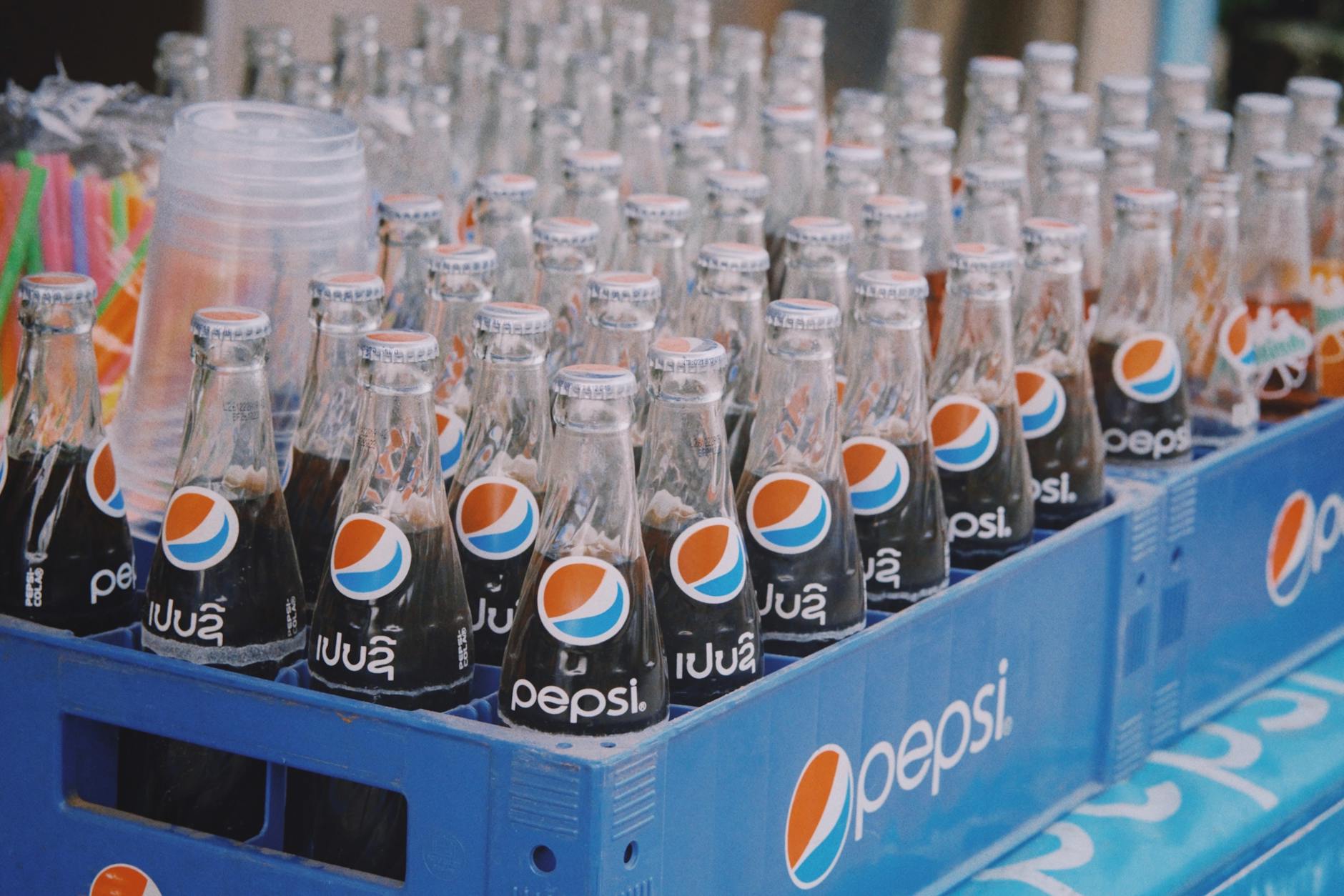
Understanding how different drinks affect your teeth can help you make informed decisions about your oral health. From acidic erosion to stubborn stains, the beverages we love most can become our teeth’s worst enemies. Let’s dive into the science behind beverage-related tooth damage and rank seven popular drinks from least to most harmful for your pearly whites.
Understanding Tooth Damage: Acid, Sugar, and Stains
Before we reveal our rankings, it’s crucial to understand the three main ways beverages damage teeth. Acid erosion occurs when drinks with low pH levels weaken tooth enamel, making teeth more susceptible to decay. The American Dental Association warns that repeated acid exposure can permanently damage enamel, which doesn’t regenerate once lost.
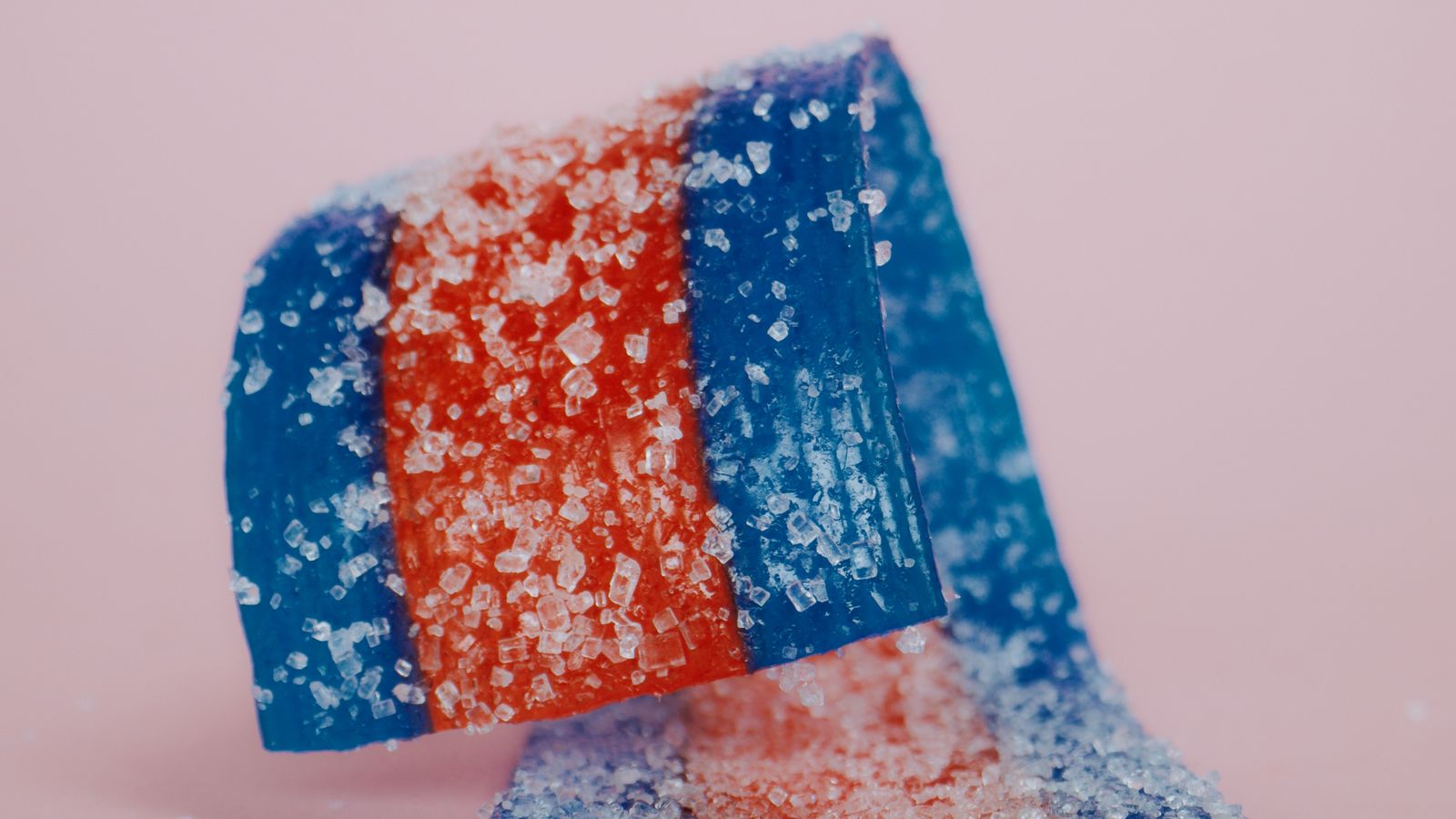
Sugar content feeds harmful bacteria in your mouth, leading to cavity formation and gum disease. Even “healthy” drinks can contain surprising amounts of natural or added sugars that contribute to tooth decay. Finally, chromogens and tannins in beverages can cause persistent staining, turning your bright white smile into a dull, discolored version of its former self.
The Complete Beverage Damage Rankings
7. Green Tea (Least Damaging)
Green tea takes the crown as the least harmful beverage on our list, though it’s not completely innocent. With a relatively neutral pH of around 6.5, green tea poses minimal acid erosion risk. The natural fluoride content in tea leaves can actually help strengthen tooth enamel, making it one of the few beverages that offers protective benefits.
However, green tea does contain tannins that can cause mild staining over time, especially if consumed frequently without proper oral hygiene. The staining potential is significantly lower than coffee or black tea, making green tea an excellent choice for health-conscious individuals in Overland Park who want to protect their smiles.
6. Sparkling Water
Plain sparkling water ranks as the second-least damaging option, but flavored varieties can be more problematic. Unflavored sparkling water has a slightly acidic pH of around 5.5 due to carbonic acid formation, but this mild acidity rarely causes significant enamel damage when consumed in moderation.
Tried whitening strips and got nowhere?
See What Actually WorksThe real concern arises with flavored sparkling waters, which often contain citric acid and natural flavors that can lower the pH considerably. LaCroix and similar brands may seem healthy, but frequent consumption can contribute to enamel erosion. Stick to plain sparkling water and add fresh fruit slices for flavor without the added acids.
5. Coffee
Coffee lands in the middle of our rankings due to its moderate acidity and high staining potential. Black coffee typically has a pH between 4.85 and 5.10, making it moderately acidic. While this acidity can contribute to enamel erosion over time, coffee’s main dental concern is its powerful staining ability.
The chromogens in coffee readily bind to tooth enamel, causing yellowing and brown discoloration that can be difficult to remove. Adding cream or sugar significantly increases the damage potential by feeding harmful bacteria and extending the contact time with teeth. Johnson County residents who can’t give up their daily brew should consider drinking through a straw and rinsing with water afterward.
4. Kombucha
Despite its reputation as a health drink, kombucha poses significant risks to dental health. The fermentation process creates acetic acid, giving most kombuchas a pH between 2.5 and 3.5. This extreme acidity can rapidly erode tooth enamel, especially when sipped slowly over extended periods.
Additionally, many commercial kombuchas contain added sugars and fruit juices that further increase their damage potential. The probiotics in kombucha may benefit gut health, but they don’t offset the dental damage caused by the drink’s high acidity. If you enjoy kombucha, limit consumption and always rinse with water afterward to neutralize acids.

3. Gatorade and Sports Drinks
Sports drinks like Gatorade rank high on our damage scale due to their combination of high acidity and sugar content. With pH levels typically ranging from 2.9 to 3.4, these beverages are highly erosive to tooth enamel. The Mayo Clinic notes that sports drinks can be as damaging to teeth as soda.
Want a brighter smile before an event?
Book Your VisitThe high sugar content in sports drinks provides fuel for harmful bacteria, while the acidity creates an environment where these bacteria thrive. Athletes who regularly consume sports drinks often experience higher rates of tooth decay and enamel erosion. For Kansas City area athletes, water remains the best hydration choice, with sports drinks reserved only for intense, prolonged exercise sessions.
2. Diet Coke and Diet Sodas
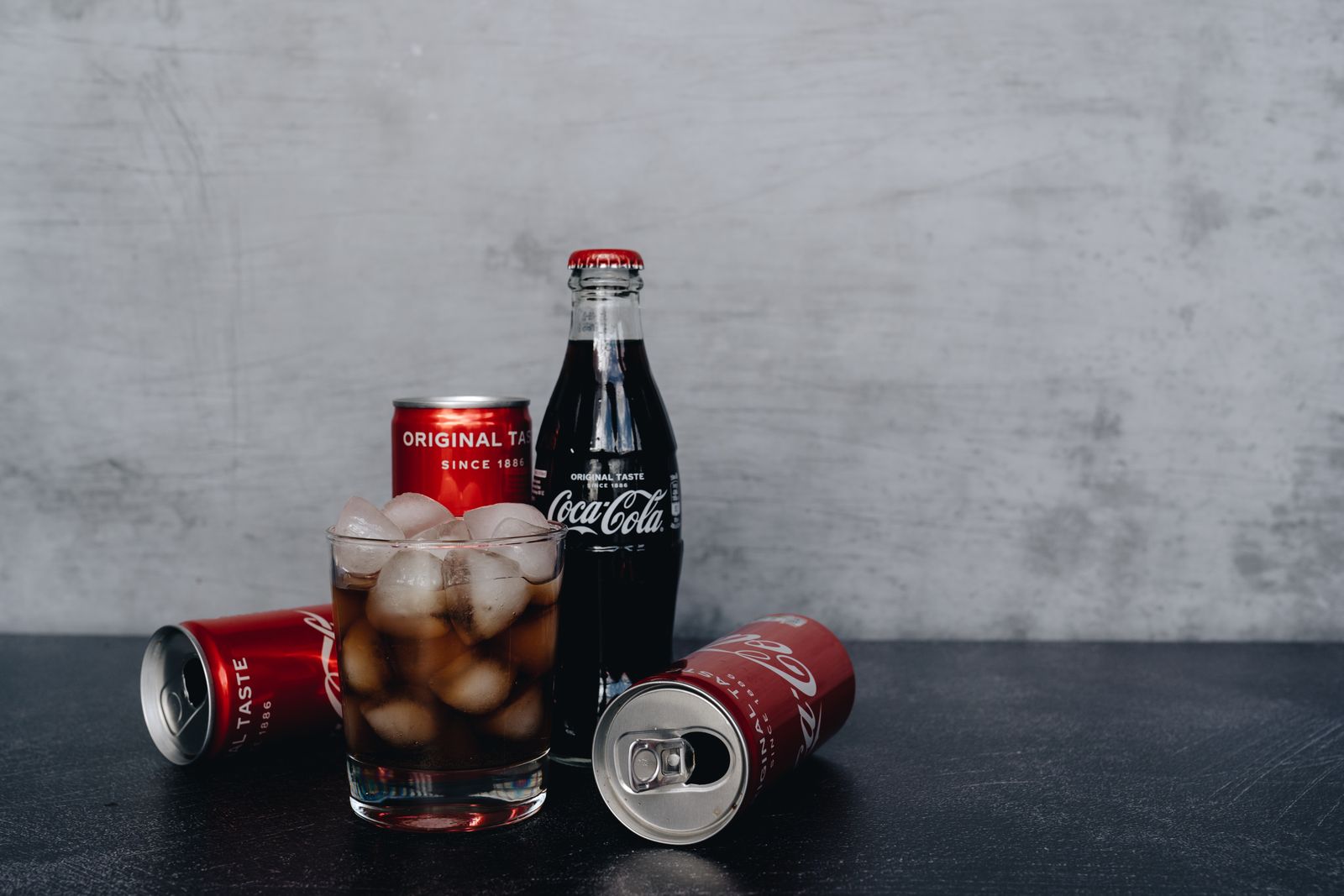
Diet sodas earn the second-worst ranking despite containing no sugar. Diet Coke has a pH of approximately 3.39, making it highly acidic and extremely erosive to tooth enamel. The phosphoric and citric acids in diet sodas can dissolve enamel within minutes of contact, and the damage is cumulative with each sip.
While diet sodas don’t feed bacteria like regular sodas do, the severe acid erosion they cause can be even more damaging in the long run. Artificial sweeteners may also alter oral bacteria balance, potentially increasing the risk of other dental problems. The bubbles in diet soda can also increase acid contact time with teeth, amplifying the erosive effects.
1. Orange Juice (Most Damaging)
Orange juice tops our list as the most damaging beverage for teeth, combining extreme acidity with high natural sugar content. With a pH typically between 3.3 and 4.2, orange juice is nearly as acidic as battery acid. The citric acid in orange juice aggressively attacks tooth enamel, while the natural sugars feed harmful bacteria.
Many people consume orange juice thinking it’s healthy, often drinking it slowly or holding it in their mouth, which maximizes damage. Even 100% natural orange juice without added sugars poses significant risks to dental health. The vitamin C benefits don’t outweigh the severe dental damage caused by regular consumption.
Which whitening approach fits your smile?
Three questions. No email needed.
Protecting Your Teeth While Enjoying Your Favorite Drinks
You don’t have to completely eliminate these beverages to maintain good oral health. Strategic consumption and protective measures can significantly reduce damage. Use a straw to minimize contact with teeth, especially for acidic drinks like kombucha and orange juice. Drink quickly rather than sipping slowly to reduce exposure time.
Tried whitening strips and got nowhere?
See What Actually WorksRinse with water after consuming acidic or sugary beverages, but wait at least 30 minutes before brushing your teeth. Brushing immediately after acid exposure can actually worsen enamel damage. Consider timing your beverage consumption with meals, as saliva production increases during eating and helps neutralize acids naturally.
For residents of Overland Park seeking comprehensive dental care, regular professional cleanings and examinations can help detect and address beverage-related damage early. Professional dental services can provide personalized strategies for protecting your teeth while maintaining your lifestyle preferences.
The Role of Professional Dental Care
Regular dental checkups become even more important when you regularly consume potentially damaging beverages. Professional cleanings can remove stains and plaque buildup that home care might miss. Fluoride treatments can help strengthen enamel that has been weakened by acid exposure, providing additional protection against future damage.
Book an Enamel Assessment →Love these tips?
Tap the button below and select Love to Smile so our latest dental health articles show up first in your Google search results.
Get whitening that actually lasts.
Professional whitening reaches shades that drugstore kits cannot, and we protect your gums and enamel while we do it. We will tell you honestly what results to expect.
Professional whitening supervised by your dentist, not a mall kiosk.
Want answers like this at the top of your search results?
Add Love To Smile as a Preferred Source on GoogleRequest an appointment
We would love to hear from you. Send us a message and our team will reach out to get you scheduled.