

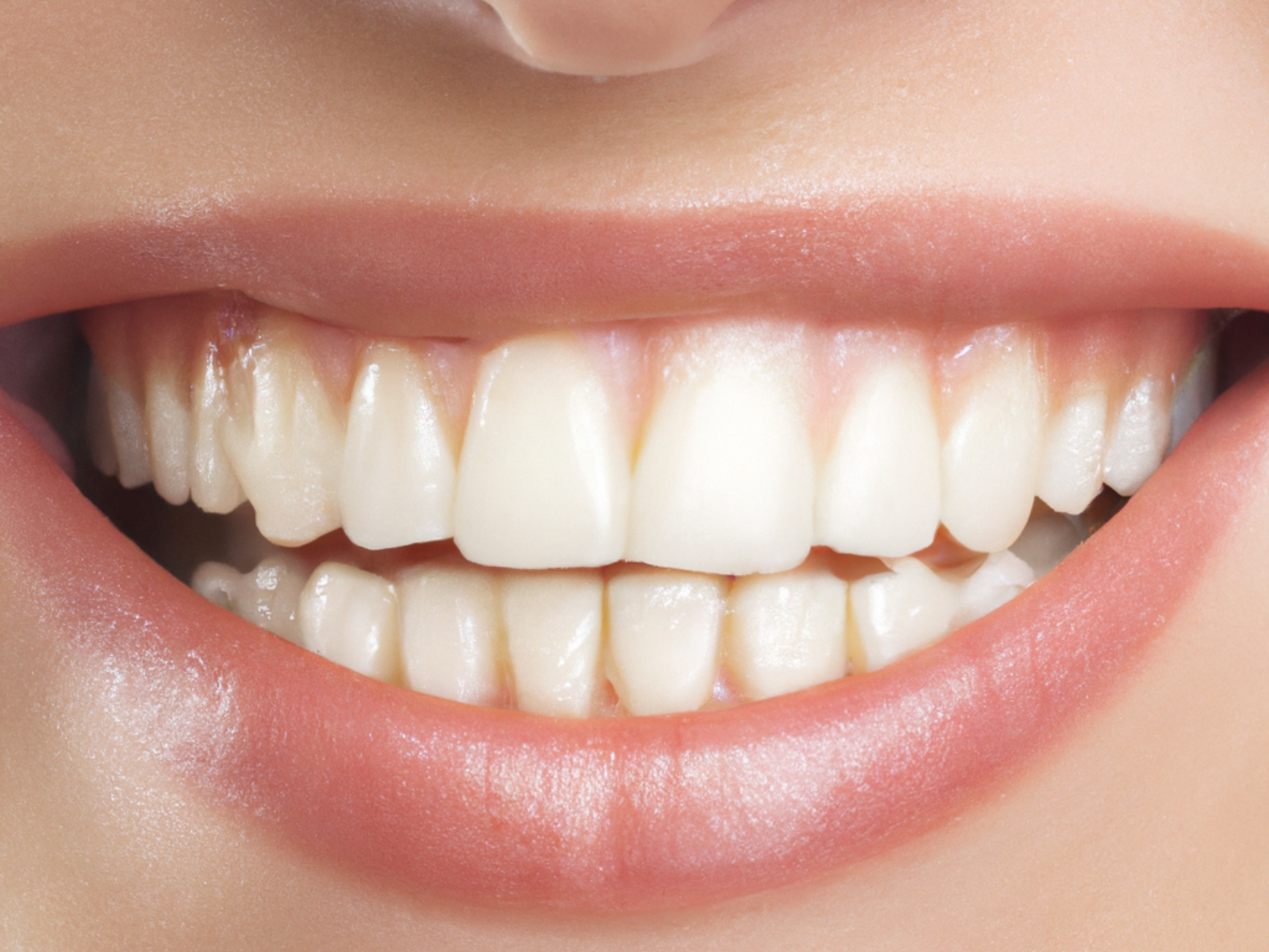
The short answer is yes, but the effectiveness depends on several crucial factors that many people don’t consider before beginning treatment. Understanding these variables can mean the difference between achieving your dream smile and experiencing disappointment.

The Science Behind Teeth Whitening
Teeth whitening works through a chemical process that breaks down stain molecules within your tooth enamel. The active ingredients, typically hydrogen peroxide or carbamide peroxide, penetrate the porous surface of your teeth and oxidize the compounds causing discoloration.
This process is fundamentally sound and scientifically proven. However, the concentration of whitening agents, application method, and individual tooth characteristics significantly impact results. According to the American Dental Association, professional whitening treatments can lighten teeth by three to eight shades when performed correctly.
Professional vs. Over-the-Counter Whitening: The Real Difference
Professional Whitening Advantages
Professional teeth whitening treatments offered by qualified dentists like Dr. Esther Pedersen at Love to Smile provide several distinct advantages over store-bought alternatives:
- Higher concentration formulas: Professional treatments use 15-43% hydrogen peroxide compared to 3-10% in over-the-counter products
- Custom-fitted trays: Precise application ensures even coverage and prevents gum irritation
- Professional supervision: Dentists can monitor your progress and adjust treatment as needed
- Faster results: Most patients see significant improvement in just one to three sessions
- Safety protocols: Proper protection for gums and soft tissues during treatment
Over-the-Counter Options: What to Expect
While OTC whitening products are more accessible and affordable, they come with limitations that affect their effectiveness:
Whitening Toothpastes: These products primarily remove surface stains through mild abrasives. They can help maintain whitening results but won’t dramatically change your tooth color. Expect subtle improvements over several weeks of consistent use.
Whitening Strips: Pre-loaded with peroxide gel, strips can provide noticeable results for some people. However, the one-size-fits-all approach often leads to uneven application and potential sensitivity issues.
Whitening Gels and Trays: Over-the-counter tray systems offer better coverage than strips but still lack the precision of custom-made professional trays. The lower concentration means slower, less dramatic results.
Tried whitening strips and got nowhere?
See What Actually WorksWhich whitening approach fits your smile?
Three questions. No email needed.

Who Makes a Good Candidate for Teeth Whitening?
Not everyone achieves the same whitening results, and understanding your candidacy is crucial for setting realistic expectations. The best candidates for teeth whitening typically have:
Skip It
No clinical evidence of whitening. Abrasive enough to permanently damage enamel over time.
Works Slowly
Low-concentration hydrogen peroxide does work, but slowly, with sensitivity risk.
Surface Only
Removes surface stains only. Cannot penetrate enamel to whiten deeper layers.
Best Results
High-concentration peroxide + custom trays. Up to 8 shades in one appointment with Dr. Pedersen.
Ideal Characteristics
- Yellow-toned stains (respond better than gray or brown discoloration)
- Healthy teeth and gums without active decay
- Realistic expectations about potential results
- No history of severe tooth sensitivity
- Staining primarily from external sources (coffee, tea, wine, tobacco)
When Whitening May Be Less Effective
Certain conditions can limit whitening effectiveness or make treatment inappropriate:
- Intrinsic stains: Discoloration from medications (like tetracycline), trauma, or excessive fluoride exposure
- Dental restorations: Crowns, veneers, and fillings won’t change color with whitening treatments
- Severe sensitivity: Existing tooth sensitivity may worsen with whitening agents
- Pregnancy or nursing: Professional guidelines recommend avoiding whitening during these periods
- Age factors: Very young patients (under 16) shouldn’t undergo whitening as tooth development is incomplete

Why Whitening Results Vary Between Patients
Even with identical treatment protocols, patients often experience different outcomes. Several factors contribute to this variation:
Book a Whitening Consult →Genetic FactorsYour natural tooth color is largely predetermined by genetics. Some people naturally have whiter enamel, while others have more yellow or gray undertones that resist whitening efforts.
Age-Related Changes
As we age, tooth enamel naturally thins, revealing more of the yellowish dentin underneath. Older patients may require more aggressive treatment to achieve desired results, and the improvement may be more subtle.
Lifestyle Habits
Regular consumption of staining substances significantly impacts both initial results and long-term maintenance. Patients who continue drinking coffee, red wine, or using tobacco during and after treatment will see less dramatic improvements.
Tooth Structure Variations
The thickness and porosity of enamel varies between individuals and even between teeth in the same mouth. More porous enamel typically responds better to whitening but may also be more prone to sensitivity.
What Dr. Pedersen Recommends for Overland Park Patients
As an MAGD-certified dentist serving the Overland Park and Johnson County communities, Dr. Esther Pedersen takes a personalized approach to teeth whitening recommendations. Her philosophy centers on achieving optimal results while maintaining tooth health and patient comfort.
Get whitening that actually lasts.
Professional whitening reaches shades that drugstore kits cannot, and we protect your gums and enamel while we do it. We will tell you honestly what results to expect.
Professional whitening supervised by your dentist, not a mall kiosk.
Want answers like this at the top of your search results?
Add Love To Smile as a Preferred Source on GoogleRequest an appointment
We would love to hear from you. Send us a message and our team will reach out to get you scheduled.