;)

Both Invisalign and traditional braces straighten teeth, but how they do it — and what the experience feels like — couldn’t be more different. Whether you’re a parent deciding for your teen or an adult ready to finally fix your smile, understanding both options helps you make the best call.
Here’s what you need to know before you start treatment in Overland Park — from cost and comfort to results and real-life convenience.
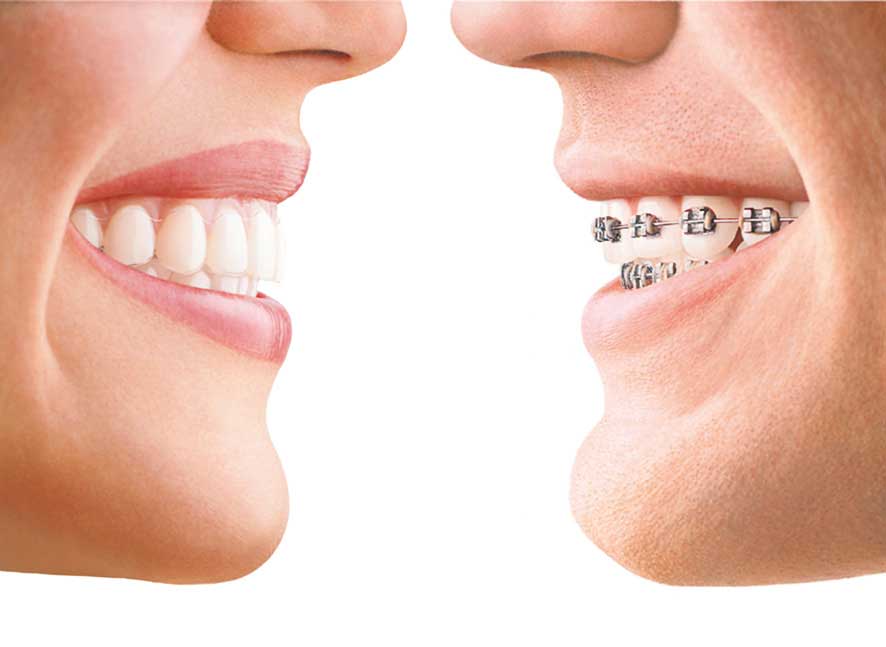
The Short Answer
- For comfort and looks: Invisalign wins.
- For complex cases or total control: Braces still lead.
- For the best value: Love To Smile offers Invisalign pricing up to $2,000 less than most Midwest offices, with plans starting at $119 per month.
Book your $10 digital consultation today:
https://calendly.com/invisalignwithdrpedersen/invisalign-consultation
How Invisalign Works
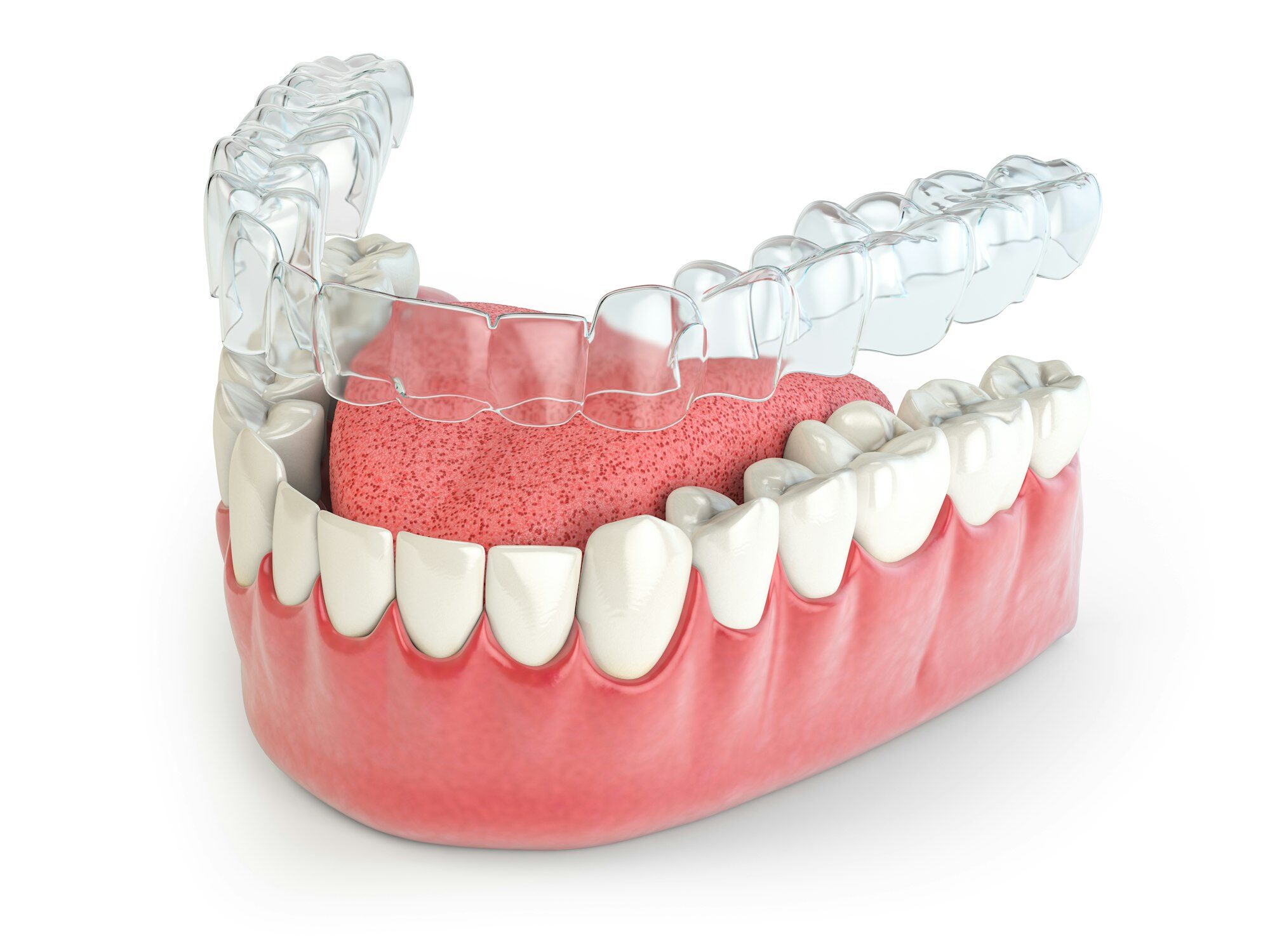
Invisalign uses clear, removable trays called aligners to gently move teeth into position. You wear each set for 20–22 hours per day, switching to a new one every one to two weeks. Each tray makes small adjustments until your teeth reach their final alignment.
At Love To Smile, your treatment starts with a 3D digital scan — no messy molds. You’ll even see a preview of your smile before you start.
How Braces Work
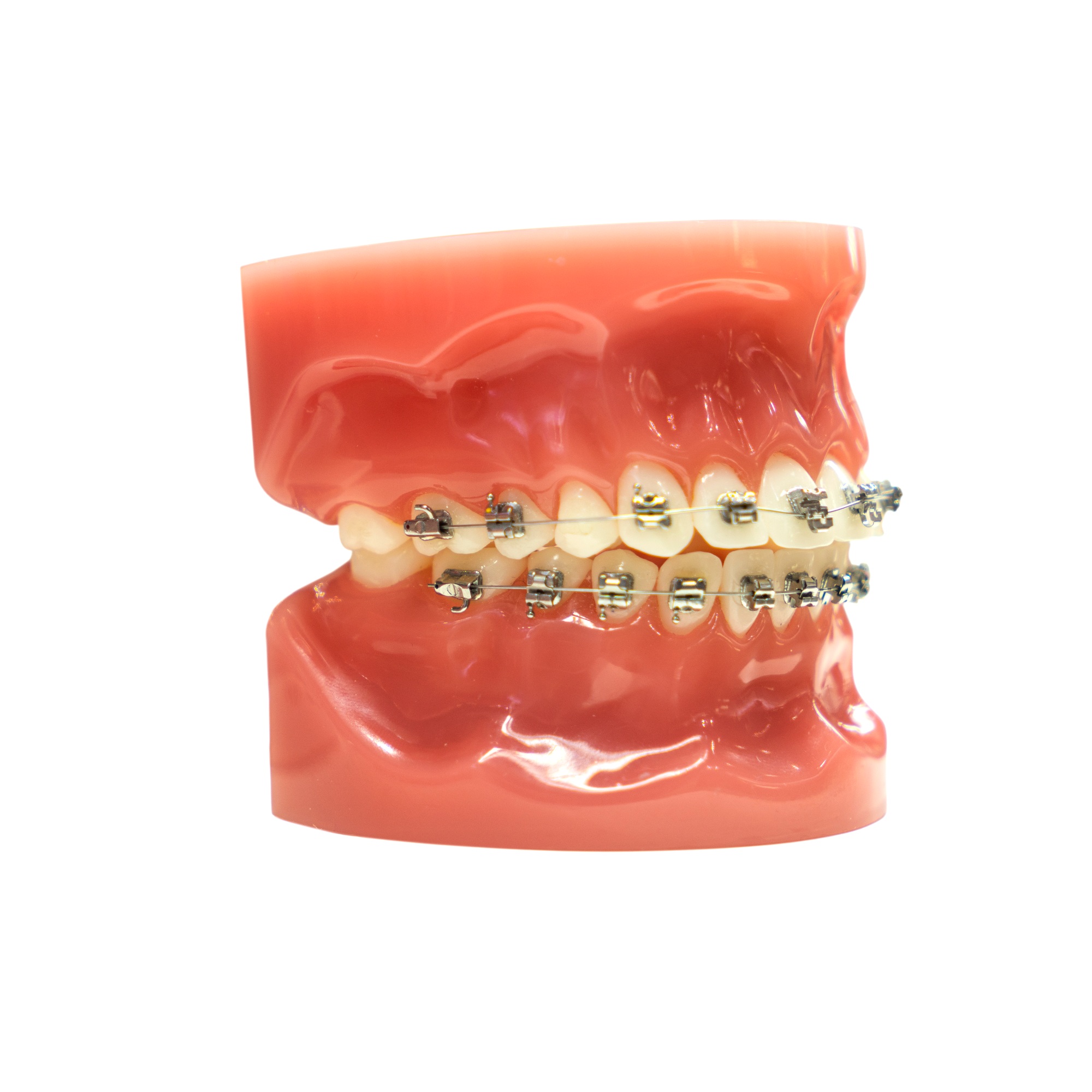
Traditional braces use metal brackets and wires to guide your teeth into alignment. They’re fixed to your teeth and adjusted in-office every few weeks. Braces are great for complex movements and bite issues that may be harder to treat with removable trays.
While modern braces are smaller and smoother than ever, they’re still more noticeable and can make brushing and eating a little tougher.

Appearance and Confidence
This one’s easy. Invisalign is nearly invisible. Most people won’t even notice you’re wearing aligners, which makes it a popular choice for adults and teens who don’t want a “braces smile.”
Braces, even the clear ceramic kind, are still visible and can make some patients feel self-conscious — especially in social or professional settings.
Comfort
Invisalign trays are smooth and custom-fitted to your teeth, meaning fewer mouth sores or poking wires. When you switch to a new set, you’ll feel mild pressure for a day or two — that’s just your teeth moving.
Braces work continuously but can irritate cheeks or lips until you get used to them. Orthodontic wax helps, but aligners generally win for comfort.
Cleaning and Eating
Invisalign trays pop out before you eat or brush, so there are no food restrictions. You can eat popcorn, apples, or corn on the cob — whatever you want — and clean your teeth normally before putting your trays back in.
With braces, sticky or crunchy foods can damage brackets. Flossing takes more time since you need to thread around the wires.
Effectiveness
Both systems can deliver great results when used correctly. Invisalign handles mild to moderate crowding, spacing, and even some bite problems. Braces may be needed for more complex movements, especially when significant rotation or root changes are required.
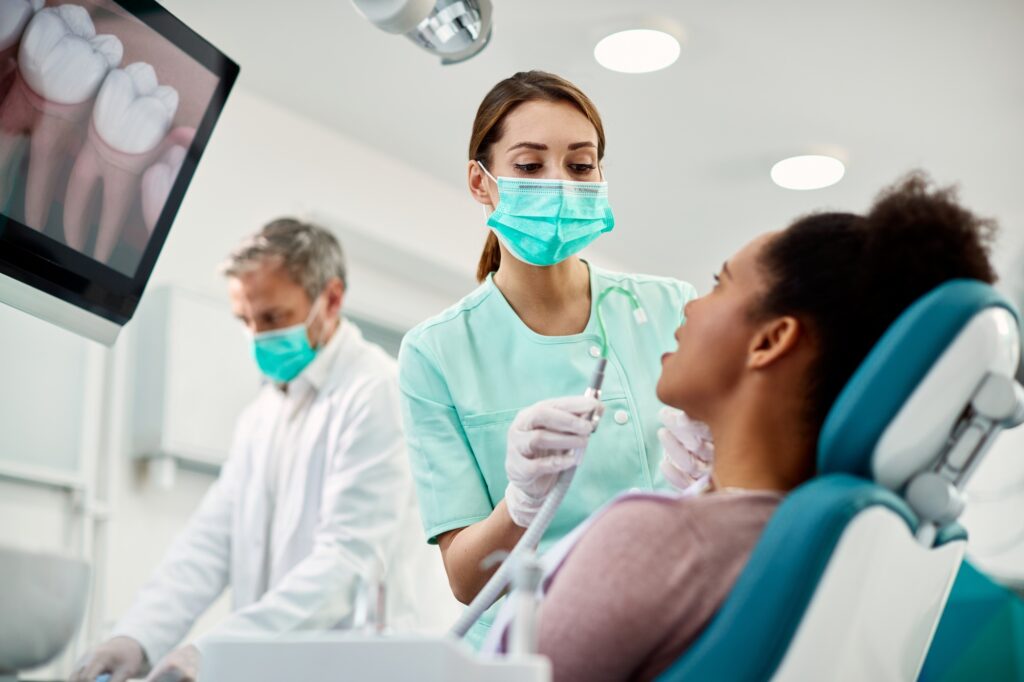
At Love To Smile, Dr. Pedersen evaluates every patient individually. If your case is better suited for braces, she’ll tell you upfront. Most adults and teens qualify for Invisalign today thanks to modern software and attachments that add precision.
Treatment Time
Invisalign and braces both take roughly 12 to 18 months for most patients, though simpler Invisalign cases can finish faster. The biggest factor is consistency. With Invisalign, you need to wear trays 20–22 hours per day for predictable progress.
Cost Comparison
National averages show Invisalign and braces are often priced similarly — around $3,500 to $6,000 depending on complexity.
At Love To Smile Dentistry, Invisalign treatment is up to $2,000 less than most Midwest offices. We also offer flexible payment plans starting at $119 per month, making Invisalign affordable for nearly everyone.
Your $10 digital consultation helps determine your exact cost, and the $10 is credited toward your treatment if you move forward.
Book your appointment here:
https://calendly.com/invisalignwithdrpedersen/invisalign-consultation
Which Option Fits Your Lifestyle?
Choose Invisalign if:
- You want an invisible look.
- You prefer easy cleaning and no food limits.
- You can commit to wearing aligners 20–22 hours a day.
Choose braces if:
- You want a low-maintenance plan that doesn’t rely on your routine.
- Your case involves major rotation or bite correction.
- You don’t mind visible hardware for a set period.
For most adults and teens in Overland Park, Invisalign gives the best balance of comfort, convenience, and results.
What Happens After Treatment
No matter which path you choose, you’ll need a retainer after treatment to maintain your new smile. Retainers are usually worn at night and help keep your teeth in their perfect position long-term.
What Patients Love About Invisalign at Love To Smile
- Digital scans instead of messy molds
- Faster appointments and fewer office visits
- Clear, predictable results with 3D treatment previews
- Affordable pricing up to $2,000 below average
- Flexible monthly plans starting at $119
- A supportive team that makes the process easy from day one
FAQ
Which is faster — Invisalign or braces?
It depends on the case. Mild spacing can be faster with Invisalign. Complex movements may take longer.
Is Invisalign as effective as braces?
Yes, for most cases. Modern attachments and software make Invisalign highly effective for adults and teens.
Does insurance cover Invisalign?
Most orthodontic plans cover Invisalign and braces the same way. Many patients get up to $3,000 in coverage.
What if I forget to wear my aligners?
You can get off schedule. Consistency matters — the more you wear them, the faster you’ll finish.
How do I start?
Schedule a $10 digital consultation at Love To Smile Dentistry. The fee is applied to your treatment if you move forward.